Trump Says Iran Ceasefire Is on Life Support as Oil, Diplomacy and Nuclear Demands Collide
The U.S. rejection of Iran's latest proposal puts new pressure on diplomacy, global oil markets and a planned push for China to help influence Tehran.
Save Article
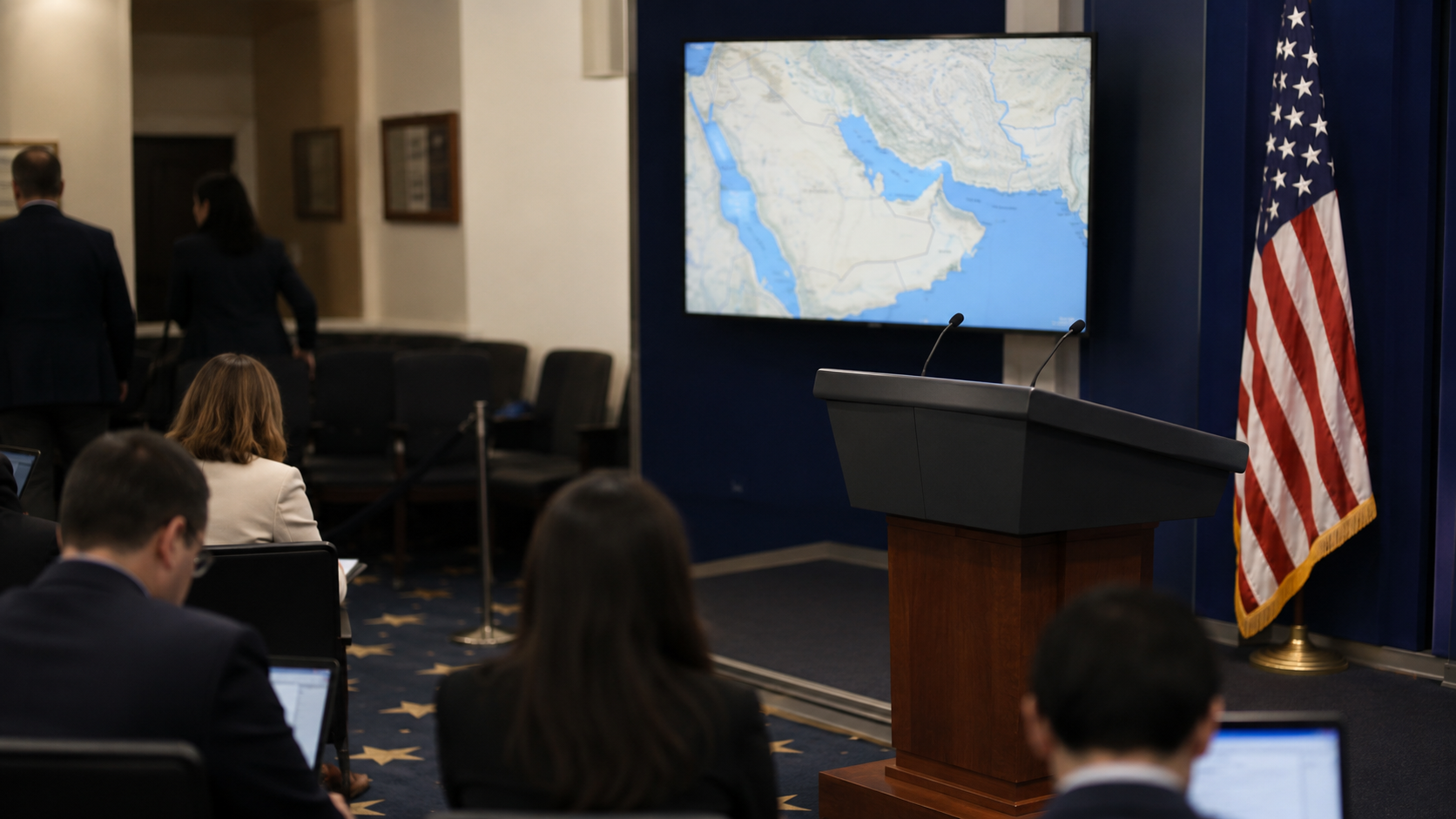
The U.S. rejection of Iran's latest proposal puts new pressure on diplomacy, global oil markets and a planned push for China to help influence Tehran. Editorial illustration by TheDailyGlobe.
Key Facts
- Trump described the Iran ceasefire as being on life support.
- The U.S. rejected Iran's latest peace response on May 11, 2026.
- The Strait of Hormuz remains a central concern because of its role in global oil shipments.
- Trump has proposed a temporary federal gas tax pause as fuel prices rise.
- Trump is expected to visit China and seek pressure on Iran.
President Trump rejected Iran's latest peace response Monday, calling the fragile ceasefire effort with Tehran on life support and raising the stakes in a dispute that now reaches from nuclear demands to oil prices and U.S.-China diplomacy.
The move makes the Iran standoff one of the clearest pressure points in global politics today. It is not only about whether Washington and Tehran can keep a ceasefire alive. It is also about whether tensions near the Strait of Hormuz could unsettle energy markets, whether rising fuel prices become a larger domestic issue, and whether China can be pushed to use its influence with Iran.
The U.S. rejection of Iran's latest proposal does not by itself mean diplomacy is over. But Trump's language signals that the White House sees the current track as close to failure. The central question now is whether either side is willing to move enough to prevent the ceasefire from breaking down.
What Changed Today
The key development Monday was the U.S. decision to reject Iran's latest response. The assignment handoff describes the update as today's confirmed event, with Trump saying the ceasefire effort is on life support. That makes the story timely because it moves the dispute from a slow diplomatic standoff into a sharper test of whether the current peace channel can survive.
For readers, the most important point is that the dispute is not happening in one lane. It is diplomatic, military, economic and political at the same time. A breakdown could affect U.S. foreign policy decisions abroad while also feeding concerns at home about gasoline prices and inflation pressure.
The administration's position, based on the source basis provided in the handoff, is that Iran's latest proposal was not enough. The handoff does not provide the full text of Iran's response or a detailed list of U.S. demands, so this article does not treat those details as confirmed. What is clear from the assignment is that the White House rejected the response and is now framing the ceasefire as highly fragile.
Why the Strait of Hormuz Matters
The Strait of Hormuz remains central because it is one of the world's most important oil transit routes. When tensions rise around Iran, traders, governments and consumers pay attention to whether shipping through the area could be disrupted. Even the possibility of disruption can put pressure on oil prices.
That matters far beyond the Middle East. Oil prices feed into gasoline, diesel, shipping, airline costs and the broader cost of moving goods. A sustained increase can reach Americans through higher prices at the pump and, over time, higher costs for businesses that rely on transportation.
There is no confirmed disruption in the handoff. The important point is risk. The Strait of Hormuz is part of why the Iran dispute can quickly become an energy story. If diplomacy weakens and military tension rises, markets may price in more uncertainty even before any direct interruption happens.
The Gas Tax Angle
Trump has proposed a temporary pause in the federal gas tax as fuel prices rise. That proposal turns the Iran dispute into a more direct kitchen-table issue for American households. It also shows how foreign policy can become domestic politics when energy prices move quickly.
A gas tax pause is meant to offer short-term relief to drivers. But it is not the same as solving the underlying supply and price pressures that can come from global oil uncertainty. If oil prices rise because of fear around Iran and the Strait of Hormuz, a tax pause may soften part of the effect for consumers, but it would not remove the market concern that caused prices to rise in the first place.
That is why the ceasefire track matters. The more unstable the diplomacy looks, the more likely energy markets are to react. The more fuel prices rise, the more pressure the White House may face to show it has both a foreign policy plan and a domestic relief plan.
Why China Is Part of the Story
Trump is expected to visit China and seek pressure on Iran, according to the handoff. That adds another layer to the story. China has its own interests in Middle East stability, energy security and trade. It also has a relationship with Iran that Washington may see as useful in trying to influence Tehran.
The U.S. request would be straightforward in goal but difficult in practice: persuade China to use its leverage in a way that helps keep the Iran situation from getting worse. Whether China would do that, and on what terms, remains unclear from the provided source basis.
This is where the diplomacy becomes complicated. The U.S. and China are competitors on trade, technology, military power and global influence. Asking Beijing for help on Iran may require handling several issues at once. China may weigh any cooperation on Iran against its wider relationship with Washington.
For ordinary readers, the China angle matters because it shows the limits of acting alone. The U.S. can reject Iran's proposal, make its own demands and prepare its own response. But if Washington wants broader pressure on Tehran, it may need help from countries that have different interests and may not share America's priorities.
What Iran Wants, and What Remains Unclear
The handoff identifies nuclear demands as part of the dispute but does not provide enough confirmed detail to describe Iran's full position or the exact terms of its latest proposal. That matters. In a high-stakes foreign policy story, readers should not be asked to accept details that are not supported by the source basis.
What can be said clearly is that the U.S. found Iran's latest peace response unacceptable. The ceasefire remains under stress. The Strait of Hormuz remains central. Energy prices are part of the political pressure. And the White House is looking toward China as a possible source of additional influence.
Those confirmed points are enough to show why the story matters, but not enough to settle who is likely to move next. It remains unclear whether Iran will submit another response, whether the U.S. will offer a revised path, or whether outside pressure from China would make any difference.
What This Means for Americans
The most immediate connection for Americans is energy. Many foreign policy stories feel distant until they show up in prices. The Iran dispute is different because the Strait of Hormuz gives it a clear link to oil markets. That does not mean every rise in fuel prices can be blamed on Iran. Gasoline prices move for many reasons. But Middle East risk is one factor that can add pressure.
The second connection is U.S. credibility. If the White House says a ceasefire is near failure, allies and rivals will watch how it handles the next step. A firm rejection may be meant to increase pressure on Iran. It may also narrow the room for compromise if neither side wants to appear weak.
The third connection is China. Americans often hear about U.S.-China relations through trade, tariffs or technology competition. This story shows another side of that relationship. Even while competing, Washington and Beijing may still have to deal with shared risks, including a wider conflict or instability in energy markets.
What Happens Next
The next test is whether diplomacy keeps moving after the rejection. If Iran comes back with another offer, the ceasefire may still have a path. If the U.S. hardens its position further, the risk of collapse grows. If China becomes involved, the story could shift from a direct U.S.-Iran standoff into a broader diplomatic effort.
Markets will also be watching the Strait of Hormuz. Any sign that shipping could be threatened would likely draw fast attention from energy traders and governments. For now, the handoff points to concern around the strait, not a confirmed shutdown or disruption.
The cleanest way to understand the story is this: the ceasefire is not dead, but it is under serious strain. The U.S. has rejected Iran's latest answer. Oil routes are part of the pressure. Gas prices are part of the domestic fallout. And China may now become a bigger piece of the diplomatic equation.
That combination is why this belongs at the top of the day. It is a foreign policy story with direct economic stakes, a global diplomatic angle and real uncertainty about what comes next. The facts do not support panic. They do support close attention.
Reporting note: Reporting draws on AP reporting on the Iran ceasefire dispute and gas tax proposal, Guardian live politics coverage on the planned China trip and Iran-related diplomatic stakes, and reviewed background context on the Strait of Hormuz and energy markets. All claims This article was produced with AI-assisted research and reviewed by an editor before publication.