Education Department Shift Puts Special Education and Civil Rights Oversight in New Hands
The Trump administration says key education oversight responsibilities will move to other federal agencies, raising questions about how student rights complaints and special education enforcement will be handled during the transition.
Save Article
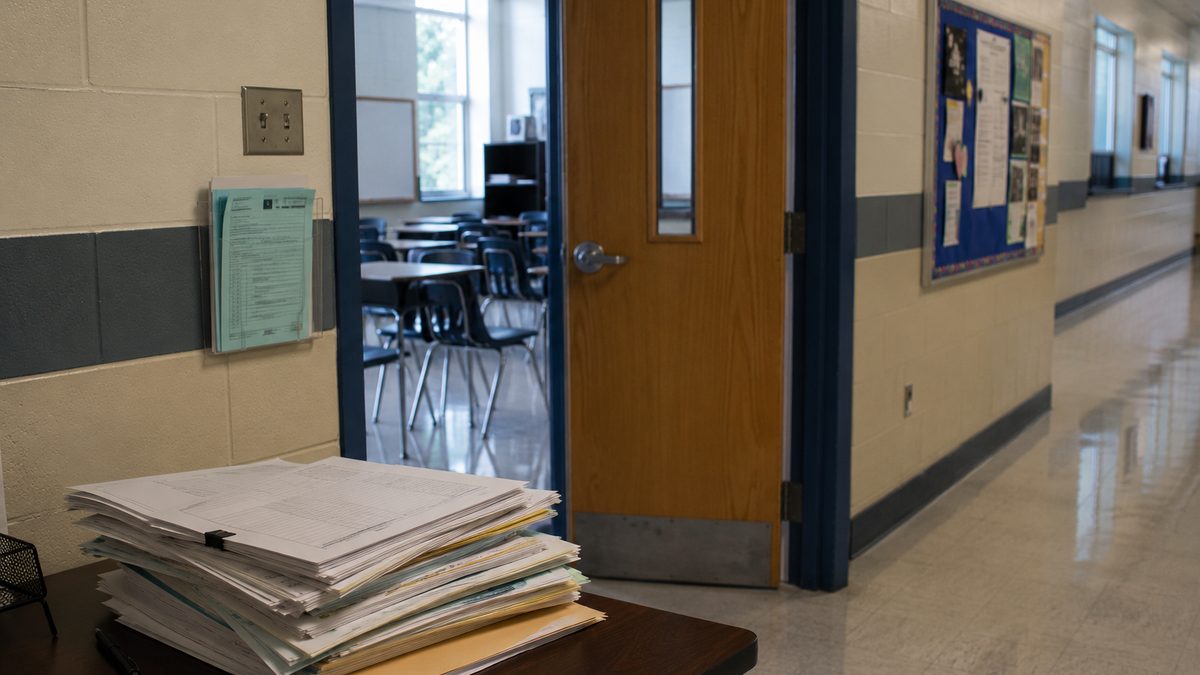
Student rights depend not only on federal law, but on the agencies responsible for enforcing it. Editorial illustration by TheDailyGlobe.
Key Facts
- The Trump administration announced plans to move special education oversight from the Education Department to the Department of Health and Human Services.
- The Department of Justice will assume responsibility for education civil-rights enforcement and related functions.
- The affected offices currently oversee disability-law compliance, civil-rights complaints, and student protections.
- The administration has not abolished the Education Department.
- Eliminating the department entirely would require congressional action.
For many families, federal education agencies become visible only when something goes wrong. A parent may be trying to secure services for a child with disabilities. A student may file a discrimination complaint. A school district may be responding to a federal compliance review.
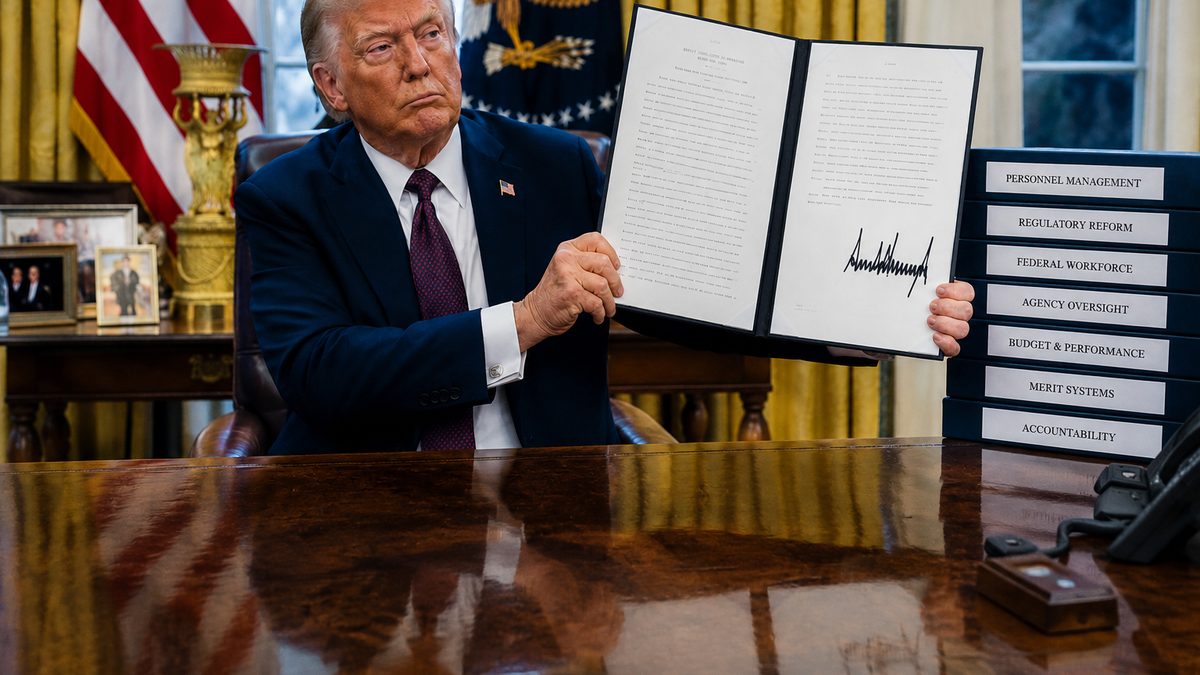
In those situations, the question is often less about what the law says and more about which agency is responsible for enforcing it. That question moved to the center of a national policy debate Tuesday after the Trump administration announced plans to shift major education oversight responsibilities out of the U.S. Department of Education.
The administration said special education oversight will move to the Department of Health and Human Services, while the Department of Justice will take over education civil-rights enforcement, student privacy protection, and related assistance responsibilities currently handled within the Education Department.
What Is Changing
The announcement affects responsibilities that have traditionally been carried out within the Education Department. Among them are oversight related to students with disabilities and investigations of complaints alleging violations of federal education civil-rights laws.
The Office for Civil Rights has historically handled complaints involving discrimination in educational settings and has worked with schools and institutions on compliance matters. Other Education Department offices have administered programs and oversight connected to federal disability-law requirements.
Under the administration's plan, those functions would be transferred to other federal agencies. Officials have presented the move as part of a broader effort to shift education authority closer to states and families while restructuring the federal government's role in education oversight.
What Is Not Changing
One important distinction is that the announcement concerns enforcement structure, not the underlying laws themselves. Federal laws governing disability rights, civil-rights protections, and other education requirements remain in place unless changed through separate legal or legislative processes.
That means students, families, schools, and colleges are still subject to existing federal requirements. The immediate question is not whether those protections exist, but which agencies will be responsible for administering and enforcing them.
For families who depend on federal complaint systems, the practical concern may be whether the transition affects how quickly complaints are processed, investigations are conducted, or compliance issues are resolved.
Why Critics and Supporters See It Differently
Supporters of the administration's approach argue that reorganizing responsibilities could place certain functions in agencies they view as better suited to carry them out. The administration has framed the effort as part of a broader push to reduce federal control over education policy and administration.
Critics, meanwhile, warn that large organizational changes can create confusion during transitions. They argue that moving responsibilities between agencies could disrupt ongoing investigations, slow complaint processing, or weaken oversight if staffing and procedures are not transferred smoothly.
At this stage, both perspectives involve questions that will ultimately depend on implementation. The announcement establishes the intended direction of the restructuring, but many operational details remain unresolved.
Questions Families May Be Asking
For parents, students, educators, and school administrators, several practical questions remain unanswered. Officials have not yet provided a complete public roadmap detailing how pending complaints, investigations, and compliance reviews will be handled during the transition.
It is also unclear how staffing responsibilities will be divided between agencies or whether families will need to navigate new procedures when seeking assistance. Existing complaint systems may continue operating during the transition, but federal agencies have not yet released comprehensive implementation details.
Another open question is whether the restructuring will face legal challenges, congressional scrutiny, or additional administrative reviews as the transfer process moves forward.
What Comes Next
The next phase will likely focus on implementation. Families, schools, advocacy organizations, and state education officials will be looking for guidance explaining how responsibilities will be transferred and how existing cases will be managed.
Observers will also be watching for formal transition plans from the Department of Justice and the Department of Health and Human Services. Those documents may provide a clearer picture of timelines, staffing decisions, and complaint-handling procedures.
For now, the central fact is clear: major education oversight functions are being reassigned to new federal agencies. What remains uncertain is whether the change will feel largely administrative to families or whether it will alter how student rights and educational protections are enforced in practice.
Reporting note: Reporting draws on Associated Press reporting, Education Department materials, federal policy guidance, and reviewed background materials. This article was produced with AI-assisted research and reviewed by an editor before publication.