Sudan Hunger Warning Shows How War Is Still Outrunning Aid
New food-security warnings show how Sudan's war, displacement, disrupted markets and underfunded aid response are leaving millions at risk.
Save Article
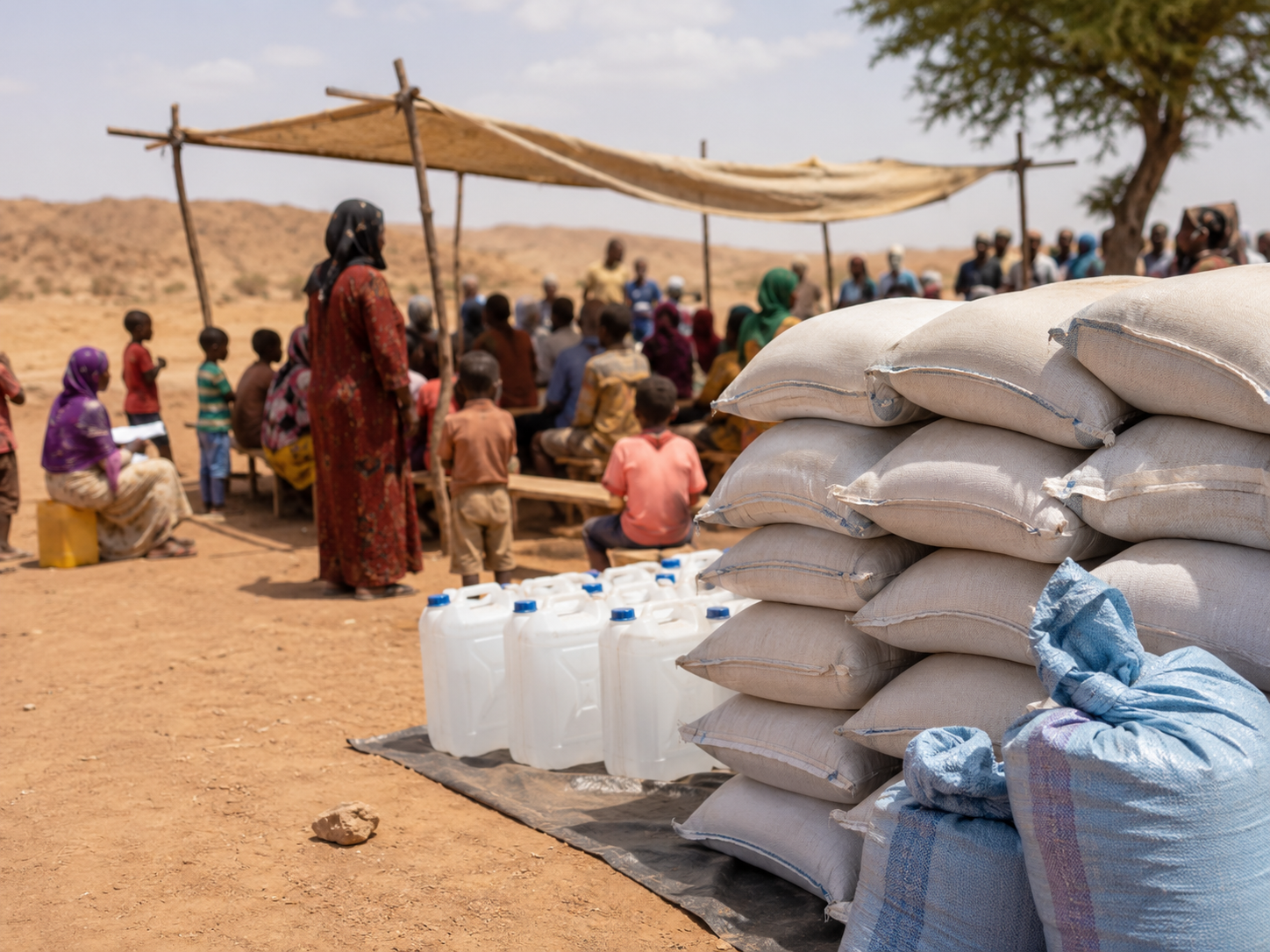
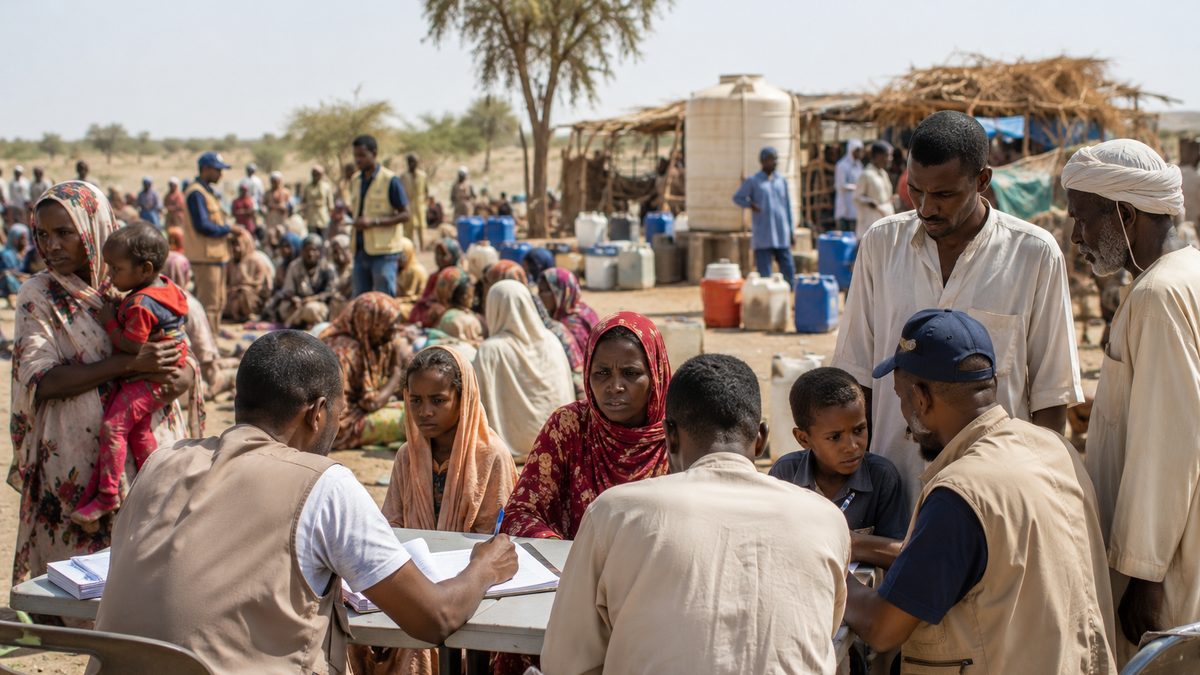
Sudan’s war has left millions facing severe food insecurity and limited aid access. Editorial illustration by TheDailyGlobe.
Key Facts
- AP reported that more than 40% of Sudan’s population faces high levels of acute food insecurity through May.
- WFP, FAO and UNICEF warned that nearly 19.5 million people face crisis levels of acute food insecurity in Sudan.
- WFP, FAO and UNICEF said more than 825,000 children are at risk of death from severe malnutrition in 2026.
- UN OCHA materials describe Sudan’s humanitarian needs and response plan as underfunded.
- IPC and ReliefWeb materials provide food-insecurity context for Sudan from September 2025 through May 2026.
Sudan’s hunger crisis is not only a food story. It is a war story.
New food-security warnings show how conflict, displacement, disrupted farming, damaged markets, limited access and an underfunded aid response are combining to leave millions of people at risk. AP reported that more than 40% of Sudan’s population faces high levels of acute food insecurity through May.
That number is hard to absorb on its own. The clearer point is this: the war is still moving faster than the systems meant to keep civilians alive.
How War Turns Into Hunger
Hunger in Sudan is being driven by more than a shortage of food. War changes the basic conditions people need to feed themselves.
Families are displaced from homes and farms. Markets become harder to reach. Prices rise. Roads become unsafe. Aid groups may be blocked, delayed or unable to operate at the scale needed. Health systems weaken at the same time that malnutrition and disease risks rise.
That chain matters because it explains why hunger can deepen even when aid organizations know the need is there. The problem is not only identifying who needs help. It is getting enough food, medical support and safe access to people in time.
Children Face the Sharpest Risk
The warning from WFP, FAO and UNICEF is especially severe for children. The agencies said more than 825,000 children are at risk of death from severe malnutrition in 2026.
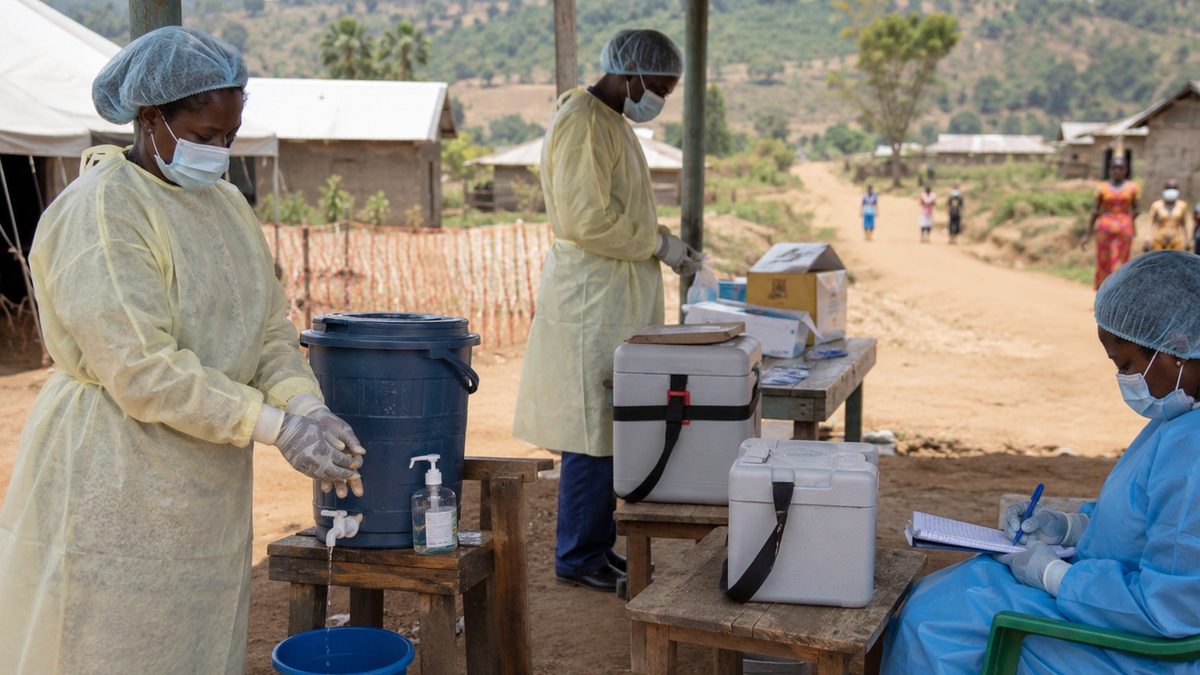
That is not a general expression of concern. Severe malnutrition can become life-threatening quickly, especially when children also lack clean water, medical care or protection from disease. In a conflict zone, the systems that normally catch children before they decline can break down at the same time.
The agencies also warned that nearly 19.5 million people face crisis levels of acute food insecurity in Sudan. Famine-risk language should be handled carefully, but the broader warning is clear: the food-security situation remains dangerous and could worsen if access and funding do not improve.
Aid Is Not Keeping Pace
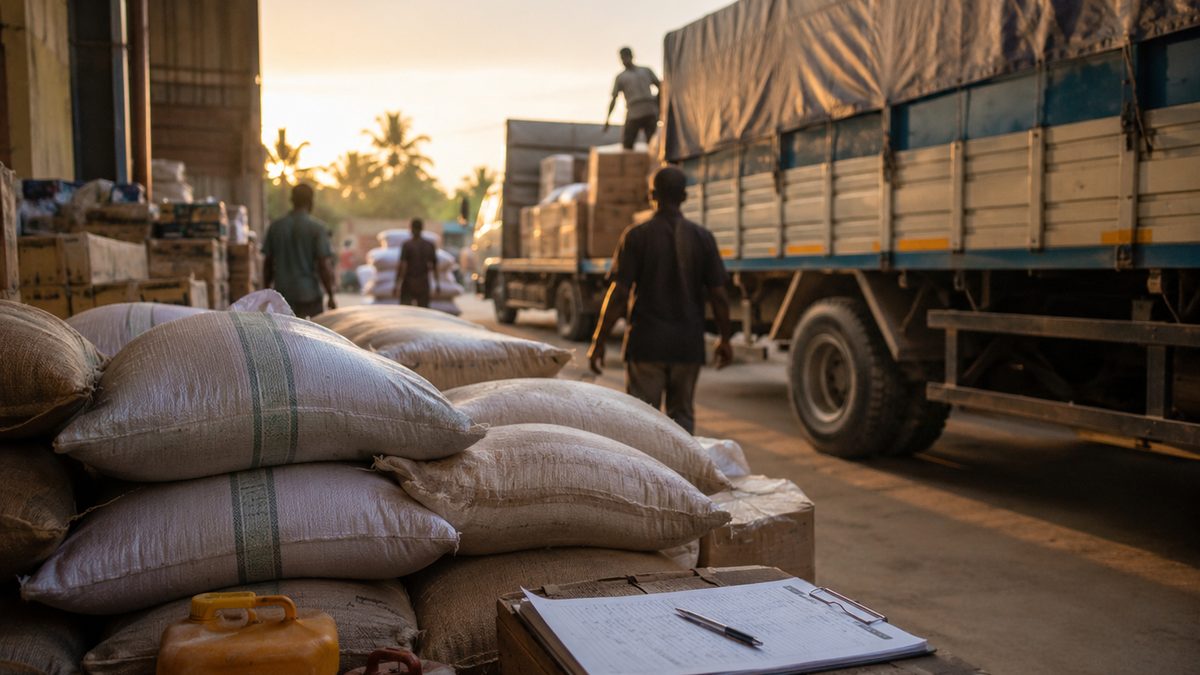
UN OCHA materials describe Sudan’s humanitarian needs and response plan as underfunded. That gap matters because humanitarian plans are not abstract paperwork. They help determine how much food can be distributed, how many clinics can operate, how many children can be treated, and how quickly aid groups can respond when conditions deteriorate.
An underfunded response can force aid organizations to make painful choices: where to deliver, whom to prioritize, and which services have to wait. In a crisis as large as Sudan’s, those choices can leave vulnerable families with too little help for too long.
The available source material does not show whether current funding levels will rise in time to meet urgent food and health needs. It also does not show whether humanitarian access will improve enough to prevent further deterioration.
Why This Should Not Fade From View
Sudan can feel distant to many readers in the United States, but the scale of the crisis makes it one of the world’s major humanitarian emergencies. The question is not only whether the world knows people are hungry. The question is whether enough help can reach them before hunger becomes more deadly.
That is where the war keeps outrunning aid. A food delivery cannot solve insecurity on the roads. A nutrition program cannot fully protect children if families are repeatedly displaced. A funding appeal cannot feed people unless money, access and logistics come together.
None of this requires graphic imagery or exaggerated language. The facts are serious enough. Millions face acute food insecurity. Hundreds of thousands of children face severe malnutrition risk. The humanitarian response remains underfunded. Access and funding questions remain unresolved.
What Remains Unclear
The two most important unknowns are access and money.
It remains unclear whether humanitarian access will improve enough to reach people before conditions worsen. It also remains unclear whether funding will rise quickly enough to meet urgent food, nutrition and health needs.
Those are not secondary details. They are the difference between a warning that leads to action and a warning that becomes a record of what the world saw coming.
For readers trying to understand Sudan’s crisis, the simplest way to read the latest warnings is this: war has broken too many of the systems that keep people fed, and aid workers are trying to respond before the damage deepens.
Reporting note: Reporting draws on United Nations materials, humanitarian agency updates, food-security assessments, reputable wire reporting, and reviewed background materials. This article was produced with AI-assisted research and reviewed by an editor before publication.