Sudan Drone Strike Highlights a War Growing More Dangerous for Civilians
A reported drone strike on a market in West Kordofan shows how Sudan’s war continues to put civilians at risk while responsibility and casualty details remain disputed.
Save Article
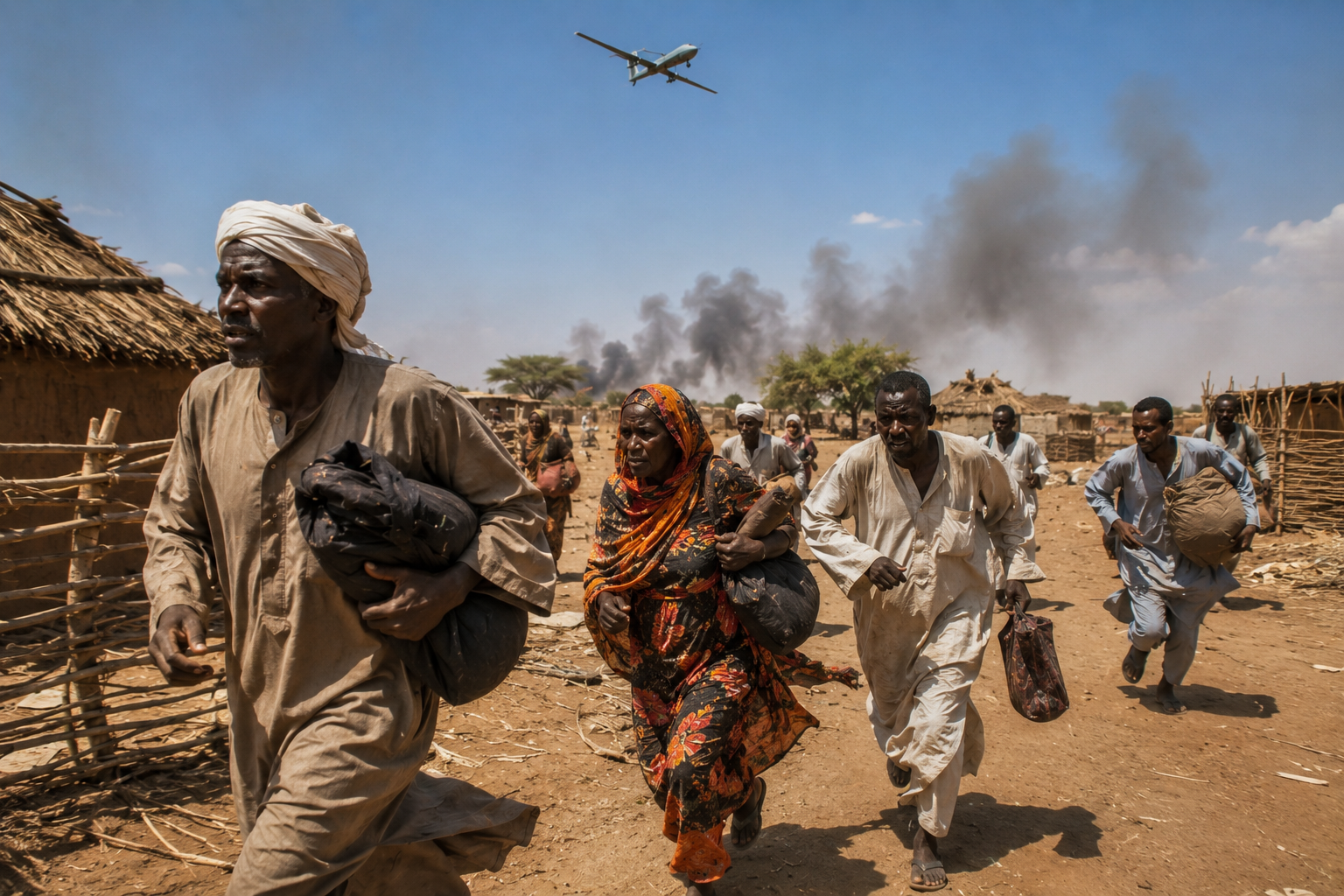
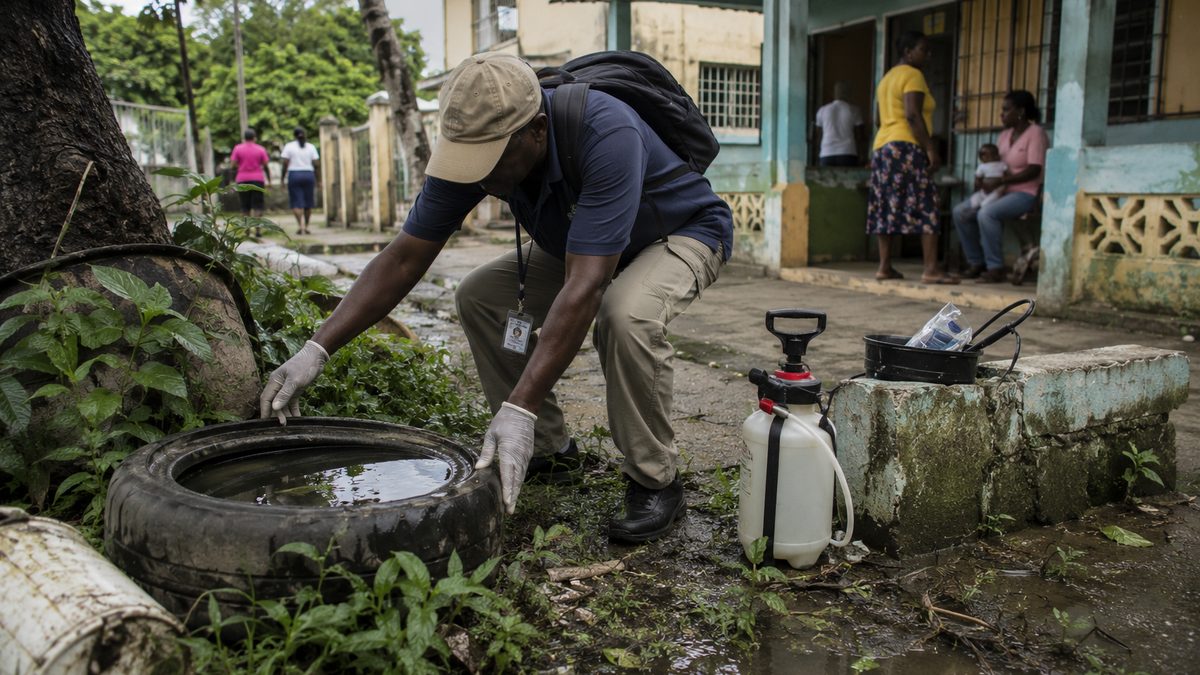
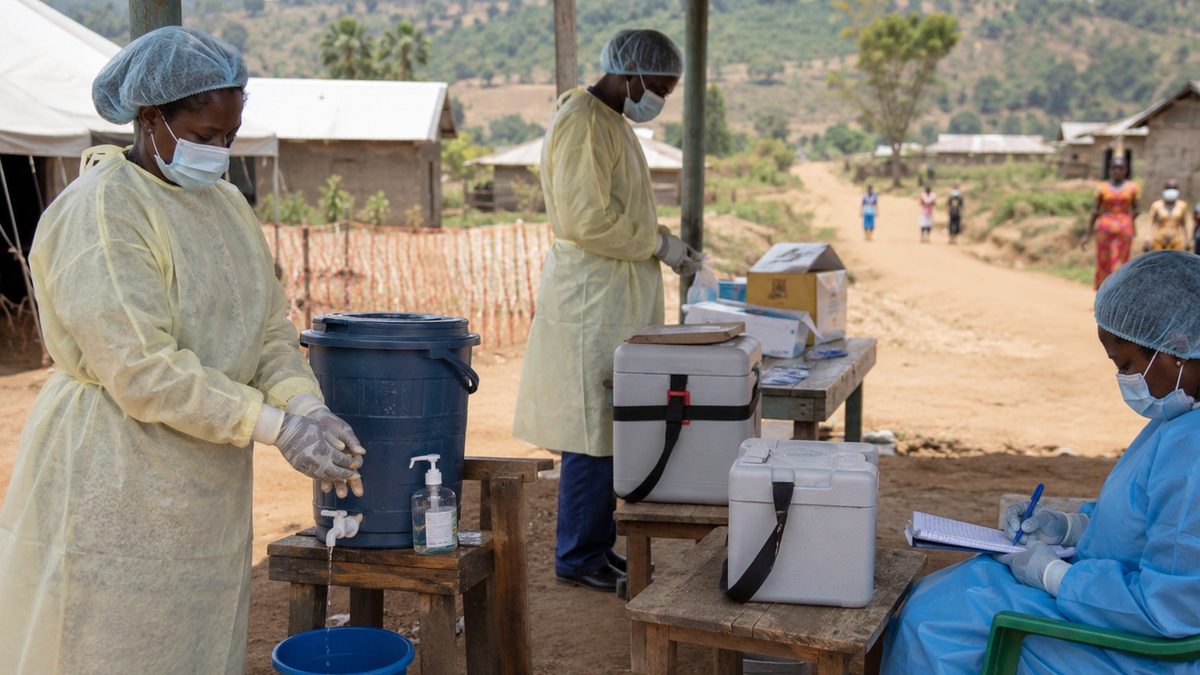
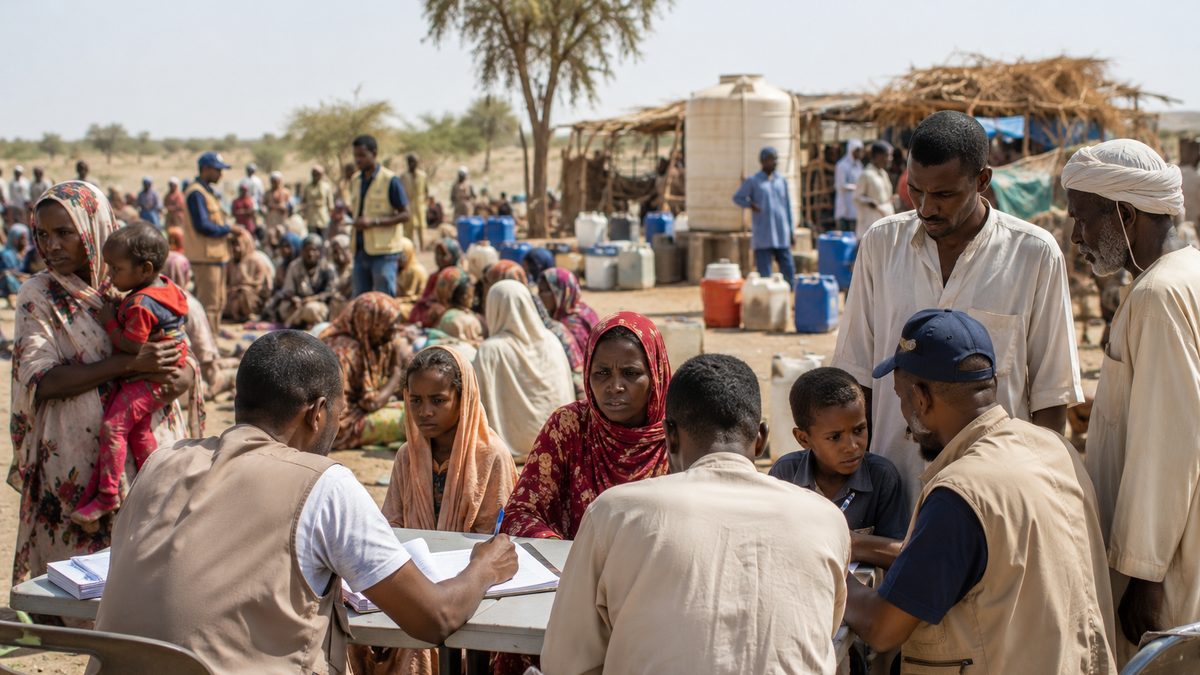
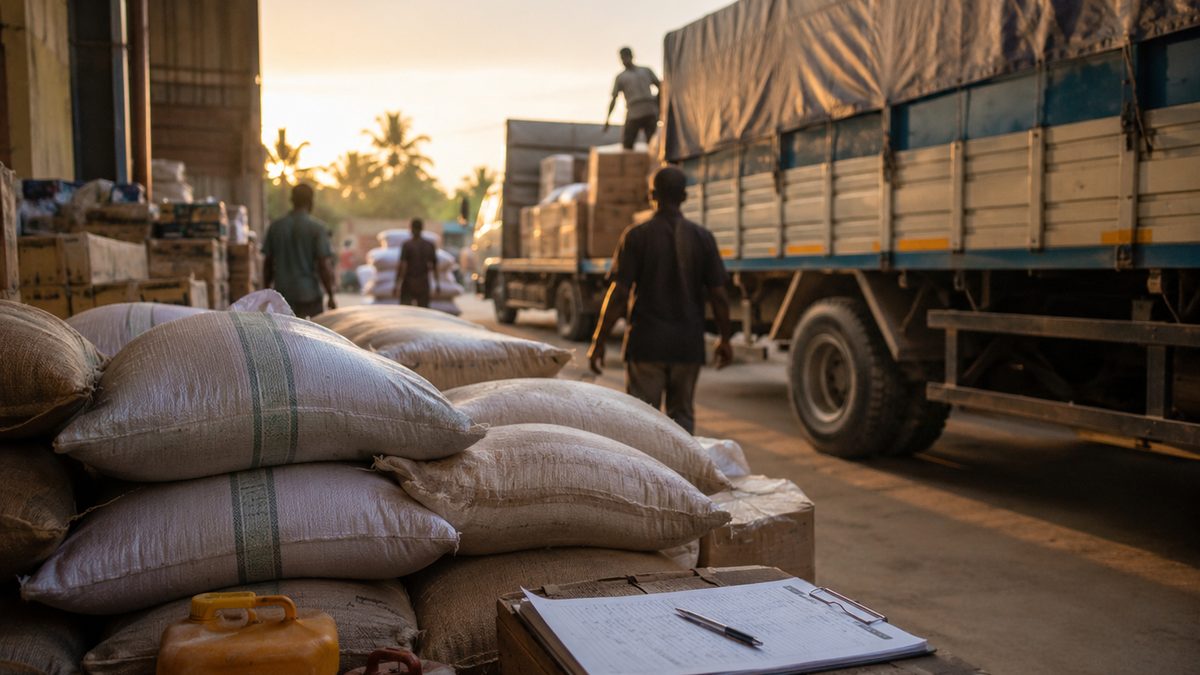
A reported drone strike on a market in West Kordofan shows how Sudan’s war continues to put civilians at risk while responsibility and casualty details remain disputed. Editorial illustration by TheDailyGlobe.
Key Facts
- A drone strike hit a market in West Kordofan, according to AP reporting citing Emergency Lawyers.
- Emergency Lawyers reported 28 people killed.
- Emergency Lawyers accused the Sudanese army of the strike, while army sources denied causing civilian casualties.
- Sudan’s conflict has produced severe humanitarian and health needs, according to UN and WHO reporting.
- It remains unclear who was responsible for the strike, whether casualty numbers will change, and how drone use is changing the conflict’s civilian toll.
A reported drone strike on a market in Sudan’s West Kordofan state killed 28 people, according to Associated Press reporting citing the rights group Emergency Lawyers, adding another civilian toll to a war that has already created severe humanitarian and health needs.
Emergency Lawyers accused the Sudanese army of carrying out the strike, while army sources denied causing civilian casualties, according to the source material. Responsibility has not been independently confirmed in the handoff and should be treated as disputed.
For U.S. readers, the story matters because Sudan remains one of the world’s major crises even when it receives less daily attention. The strike gives a concrete view of how the conflict is affecting ordinary people far from diplomatic statements: markets, families, hospitals, aid routes, and basic public safety.
What Was Reported in West Kordofan
The strike reportedly hit a market, a civilian setting where people gather to buy food, trade goods, and carry out daily life. AP reported the 28 deaths based on a rights group account, not an independently confirmed final government toll.
That distinction matters in an active war. Early casualty figures can change as local officials, hospitals, rights groups, and aid workers gather more information. Access to affected areas can also be difficult, making verification slower and more fragile.
The source material supports that a deadly strike was reported and that a rights group blamed the Sudanese army. It does not support stating responsibility as settled fact.
Why Drone Strikes Raise Civilian Risk
Drone warfare can change how a conflict reaches civilians. Strikes can hit places far from front lines, and the people harmed may include shoppers, vendors, children, emergency workers, and families trying to move through ordinary public spaces.
The handoff does not provide enough information to determine exactly how drone use is changing Sudan’s war overall. But it does show why the question matters. When markets become targets or sites of reported strikes, the line between battlefield and civilian life becomes harder for ordinary people to escape.
That is one reason responsibility claims need careful handling. In a conflict with competing military and political narratives, each side may blame the other or deny civilian harm. Readers should be shown what is known, who is making the claim, and what remains unverified.
Sudan’s Wider Humanitarian Crisis
The reported market strike sits inside a much larger crisis. UN OCHA materials describe major humanitarian needs in Sudan, and WHO reporting has tracked the public health emergency created by the conflict and complex conditions on the ground.
Those needs can include displacement, disrupted health care, food insecurity, disease risk, and limited access for aid workers. A strike on a market can worsen that pressure by damaging a place where civilians depend on trade, food access, and community movement.
The human impact is not only the number of people killed on one day. It is also the fear that follows, the families left without support, the strain on clinics, and the risk that people avoid public spaces they need in order to survive.
What Remains Unclear
The most important unanswered question is who was responsible for the strike. Emergency Lawyers accused the Sudanese army, while army sources denied causing civilian casualties. The source material does not resolve that dispute.
It is also unclear whether the casualty numbers will change. In a war zone, later updates may revise the number of dead or injured as more information becomes available.
Another open question is how drone use is changing the civilian toll of Sudan’s war. The reported West Kordofan strike points to that concern, but one incident alone cannot answer the larger question.
Why the Story Should Not Be Ignored
Sudan’s war can feel distant from U.S. politics and daily life, but its consequences are not small. It affects civilians, regional stability, humanitarian agencies, public health systems, and international efforts to respond to mass suffering.
The reported West Kordofan strike is one event in a much larger conflict. Its importance is not only in the reported death toll, but in what it shows about the danger civilians face when war reaches markets and public spaces.
The careful takeaway is simple: a deadly drone strike was reported, responsibility is disputed, and Sudan’s civilian crisis remains severe. Until more facts are confirmed, the story should be reported with restraint, attribution, and attention to the people living through the conflict.
Reporting note: Reporting draws on Associated Press reporting, UN humanitarian materials, WHO public health analysis, rights group claims cited in reporting, and reviewed background materials. This article was produced with AI-assisted research and reviewed by an editor before publication.