Sudan Displacement Data Shows War’s Humanitarian Burden Still Expanding
New displacement reporting shows how Sudan’s war continues to push families from homes, services, schools and livelihoods while aid groups face access and funding gaps.
Save Article
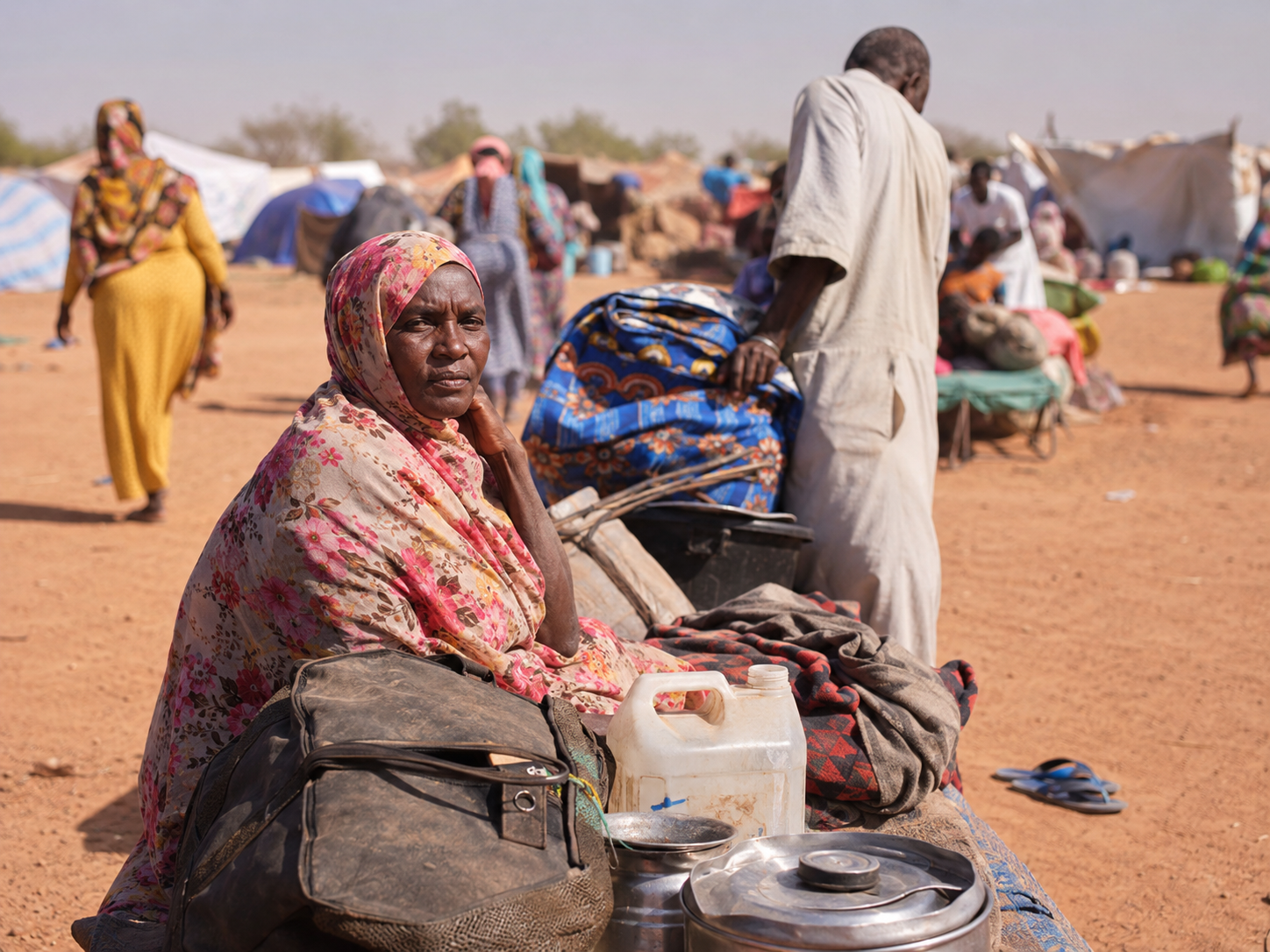
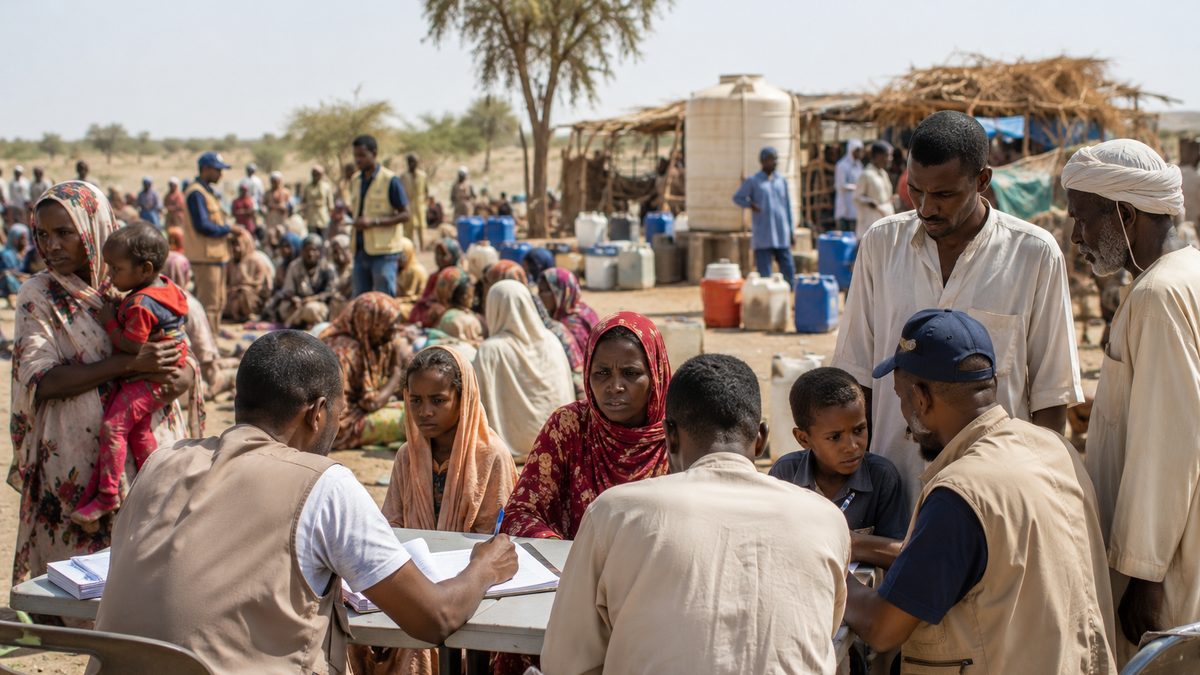
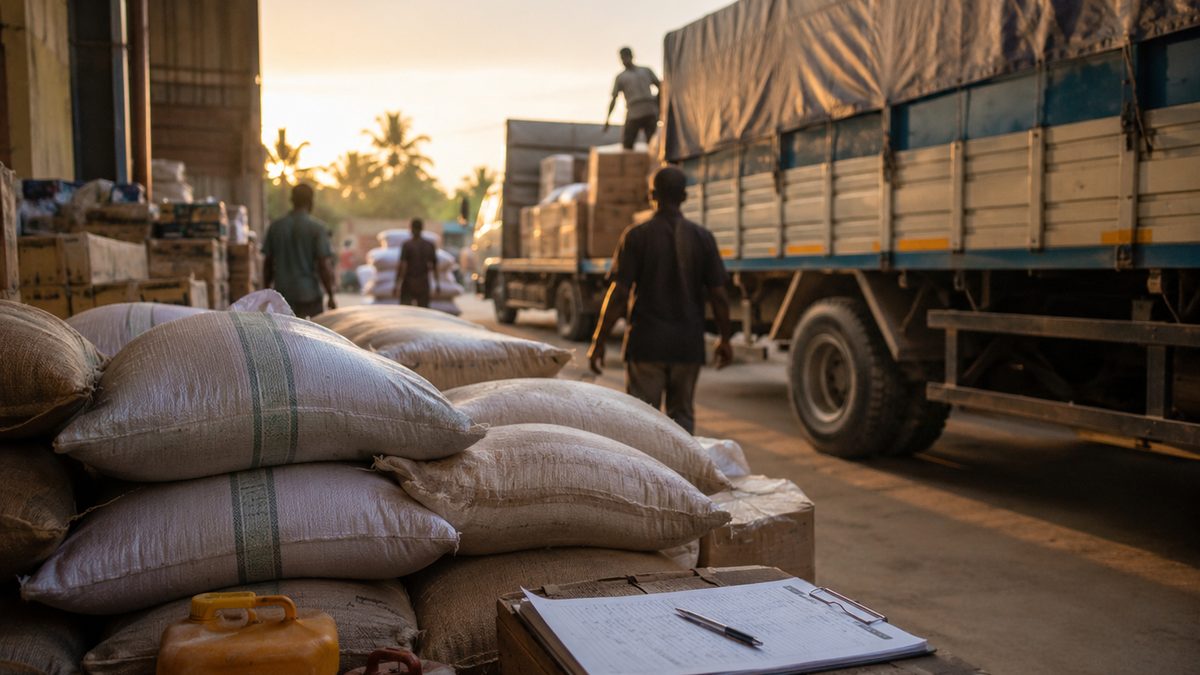
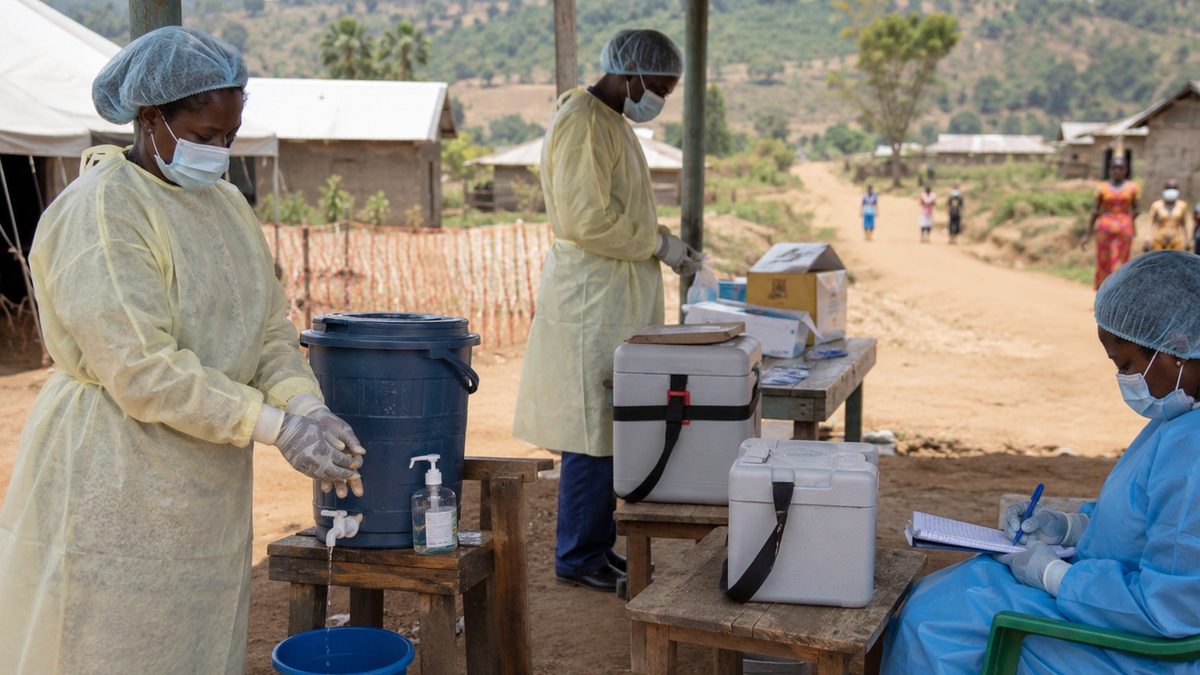
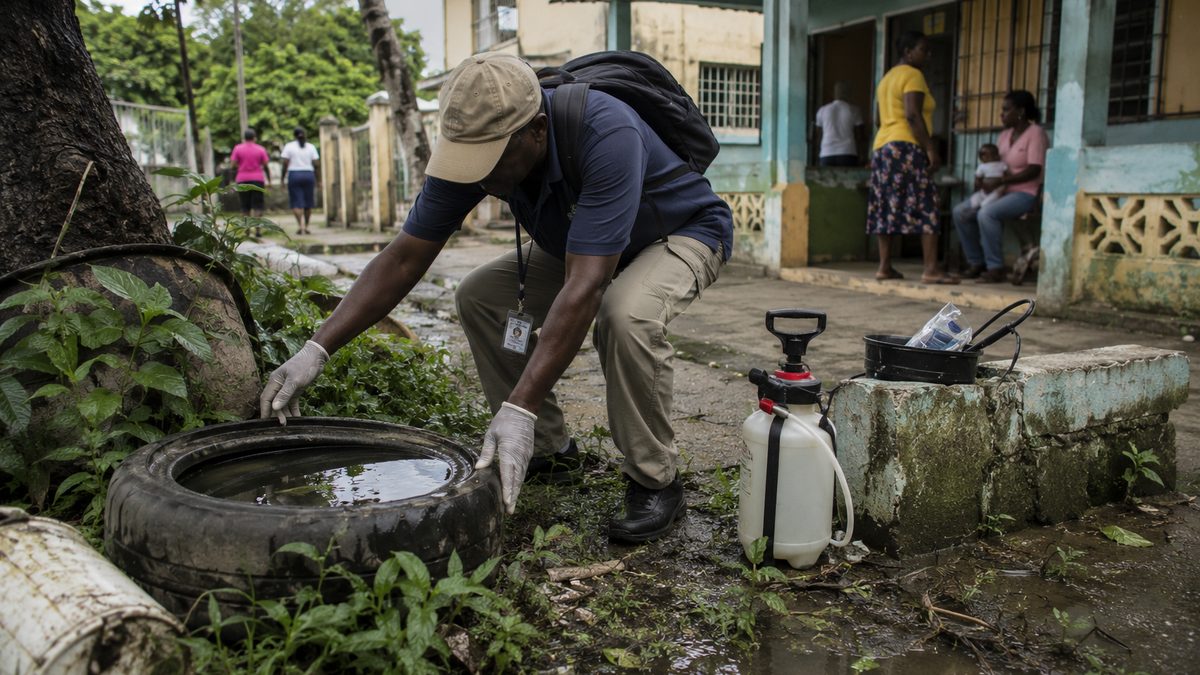
New displacement reporting shows how Sudan’s war continues to push families from homes, services, schools and livelihoods while aid groups face access and funding gaps. Editorial illustration by TheDailyGlobe.
New displacement reporting from Sudan shows that the war’s humanitarian burden is still expanding beyond the front lines.
ReliefWeb lists a Sudan Displacement and Return Snapshot update dated May 21, 2026. The snapshot draws from data across nearly 13,000 locations, 185 localities and all 18 states in Sudan.
For readers, the point is not only how many people have moved. Displacement means families are losing homes, income, health care, schooling, community support and access to ordinary life, often while aid agencies are trying to respond with limited resources.
What the Snapshot Shows
The displacement snapshot gives a wide view of how deeply the war has reached into Sudan. Reporting across nearly 13,000 locations and all 18 states shows this is not a narrow local crisis.
Displacement figures can change quickly, so the latest DTM or ReliefWeb update should be checked before publication. But the source basis already supports the main conclusion: Sudan’s war has created a large and continuing movement of people inside a country whose services were already under strain.
Why Displacement Changes Daily Life
OCHA materials say Sudan’s war has caused escalating violence, displacement, strained services and humanitarian funding shortfalls. Those pressures compound each other. A family that flees violence may also lose access to food markets, medicine, school, work and clean water.
That is why displacement is not just a population count. It is a measure of how much normal life has been broken, and how much support will be needed even if fighting slows in some areas.
What Remains Unclear
It remains unclear how much access aid agencies have in the hardest-hit areas. It is also unclear whether funding will meet needs through the rest of 2026.
For now, Sudan’s displacement data offers a quieter but important view of the war: people are not only fleeing danger. They are trying to survive after losing the systems that make daily life possible.
Reporting note: Reporting draws on ReliefWeb displacement updates, OCHA humanitarian materials, IOM-style displacement tracking, and reviewed regional context. This article was produced with AI-assisted research and reviewed by an editor before publication.