South Korea and Japan Build Practical Ties Around Energy, Supply Chains and Security
South Korea and Japan are continuing leader-level talks focused on practical cooperation, even as unresolved history keeps the relationship politically sensitive.
Save Article
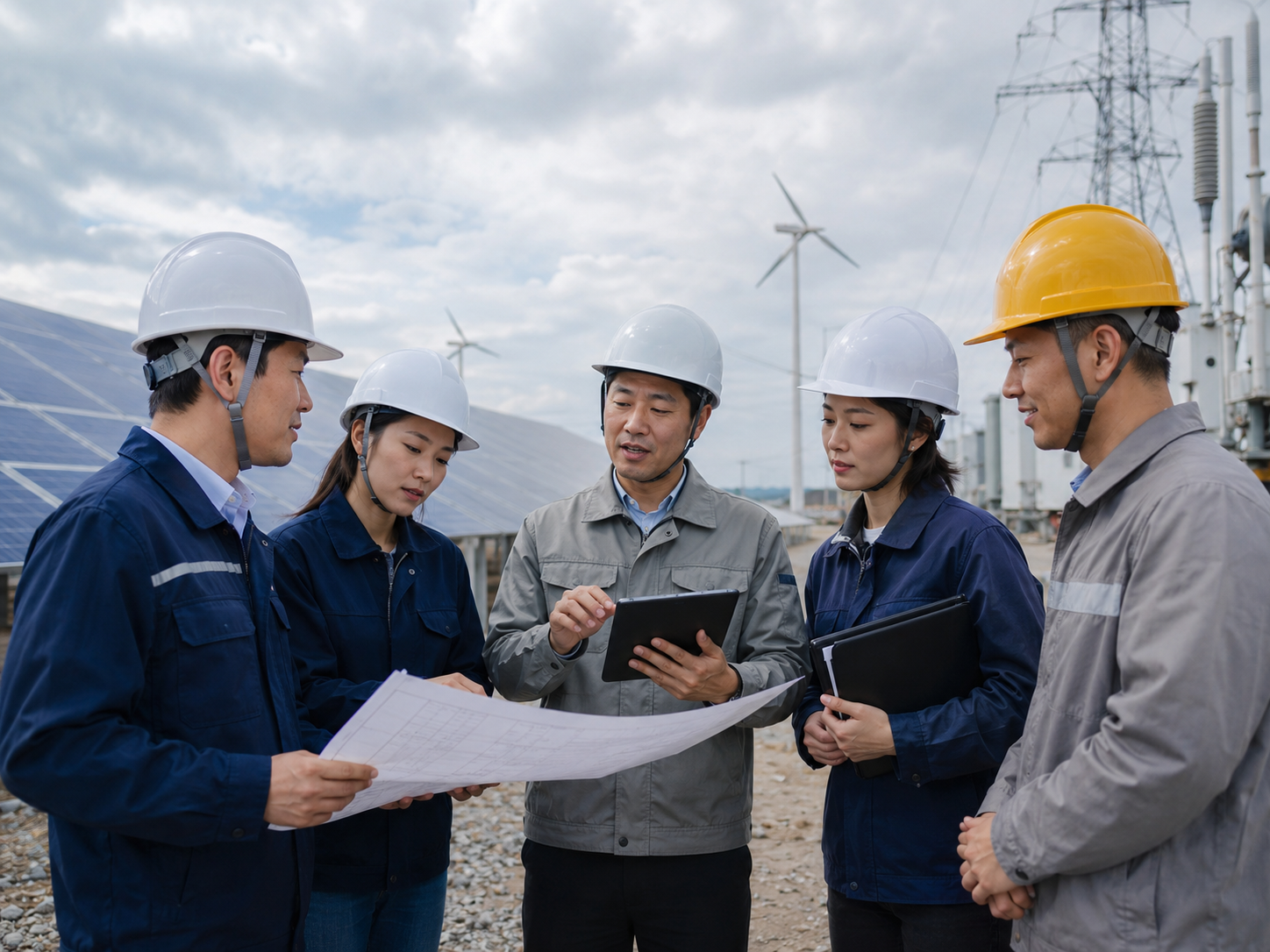
Regional cooperation can be fragile, but practical concerns often bring governments back to the table. Editorial illustration by TheDailyGlobe.
Key Facts
- South Korean and Japanese leaders met in May 2026.
- Reporting says the talks included energy, supply chains and security cooperation.
- Relations between Japan and South Korea have improved in recent years.
- Historical disputes remain unresolved and continue to make cooperation politically sensitive.
- It remains unclear whether recent cooperation will survive future political changes.
Energy security and supply chains do not always depend on dramatic announcements. Sometimes they depend on whether governments that have difficult histories can keep talking long enough to solve practical problems.
That is the question behind recent engagement between South Korea and Japan. Leaders from the two countries met in May 2026, with reporting saying the talks included energy, supply chains and security cooperation. The relationship has improved in recent years, but it remains politically sensitive because unresolved historical disputes still shape public reaction in both countries.
Why Practical Cooperation Is Back On The Table
Japan and South Korea are two of the most important economies in Northeast Asia. They are also major U.S. partners in a region shaped by China’s military and economic power, North Korea’s weapons programs, and recurring worries about energy and technology supply chains.
That does not erase the history between Tokyo and Seoul. Disputes over Japan’s colonial rule of Korea, wartime labor, compensation, textbooks and public memory have repeatedly strained relations. Those issues are not solved just because leaders meet or because officials announce new cooperation.
But recent talks show that both governments see reasons to work together where their interests overlap. Energy reliability, semiconductor supply chains, shipping routes and regional security are not abstract policy areas. They affect companies, workers, consumers and military planning across the Pacific.
What Energy And Supply Chains Have To Do With Security
Energy cooperation matters because both countries depend heavily on imported energy and stable trade routes. Any disruption in fuel markets, shipping lanes or regional tensions can ripple through prices, factories and household costs.
Supply-chain cooperation matters for a similar reason. Japan and South Korea are deeply tied to advanced manufacturing, electronics and technology production. When governments talk about supply chains, they are often talking about whether critical materials, components and equipment can keep moving if political or military tensions rise.
Security cooperation sits alongside those economic concerns. Japan and South Korea both work closely with the United States, but they also have their own domestic politics and regional priorities. More practical cooperation between Tokyo and Seoul can make it easier for Washington, Seoul and Tokyo to coordinate, especially on North Korea and wider Asia-Pacific stability.
The History Still Matters
The relationship should not be described as permanently repaired. Improved ties can be real and fragile at the same time.
Public opinion, court rulings, election results or comments from political leaders can quickly bring old disputes back into the center of the relationship. That is why leader-level meetings matter, but also why they are not enough on their own. Cooperation has to survive public scrutiny, bureaucratic follow-through and changes in government.
For readers outside the region, the careful point is this: Japan and South Korea are not simply moving past history. They are trying to manage history while dealing with present-day pressures that neither country can ignore.
Why U.S. Readers Should Care
The United States has strong security and economic ties with both countries. When Japan and South Korea cooperate more smoothly, it can make U.S.-linked planning in the region less complicated. When the relationship breaks down, coordination becomes harder.
That matters for more than military planning. A disruption in Northeast Asia can affect technology supply chains, energy markets and trade routes that connect to American businesses and consumers. The effect may be indirect, but it is not imaginary.
The recent talks are best understood as part of a practical pattern: governments with difficult histories are looking for ways to coordinate on problems that affect security and economic resilience now.
What Remains Unclear
The biggest unanswered question is durability. It remains unclear whether cooperation will hold through future elections, public backlash or renewed disputes over history.
It is also unclear whether the energy and supply-chain discussions will produce concrete policy shifts. Talks can set direction, but the real test is whether governments announce specific agreements, fund new programs, coordinate industry policy or build systems that remain useful during a crisis.
The next things to watch are new Japan-South Korea agreements, any trilateral steps involving the United States, and public reaction in both countries. The relationship is improving, but the question is whether practical cooperation can become steady enough to outlast the politics that have often pulled Tokyo and Seoul apart.
Reporting note: Reporting draws on wire reporting, international reporting, diplomatic context, and reviewed Asia-Pacific background materials. This article was produced with AI-assisted research and reviewed by an editor before publication.