South China Sea Talks Show Why Binding Rules Remain Hard to Reach
ASEAN and China continue to discuss a South China Sea code of conduct, but the hardest questions remain whether any rules would be binding, enforceable, and respected at sea.
Save Article
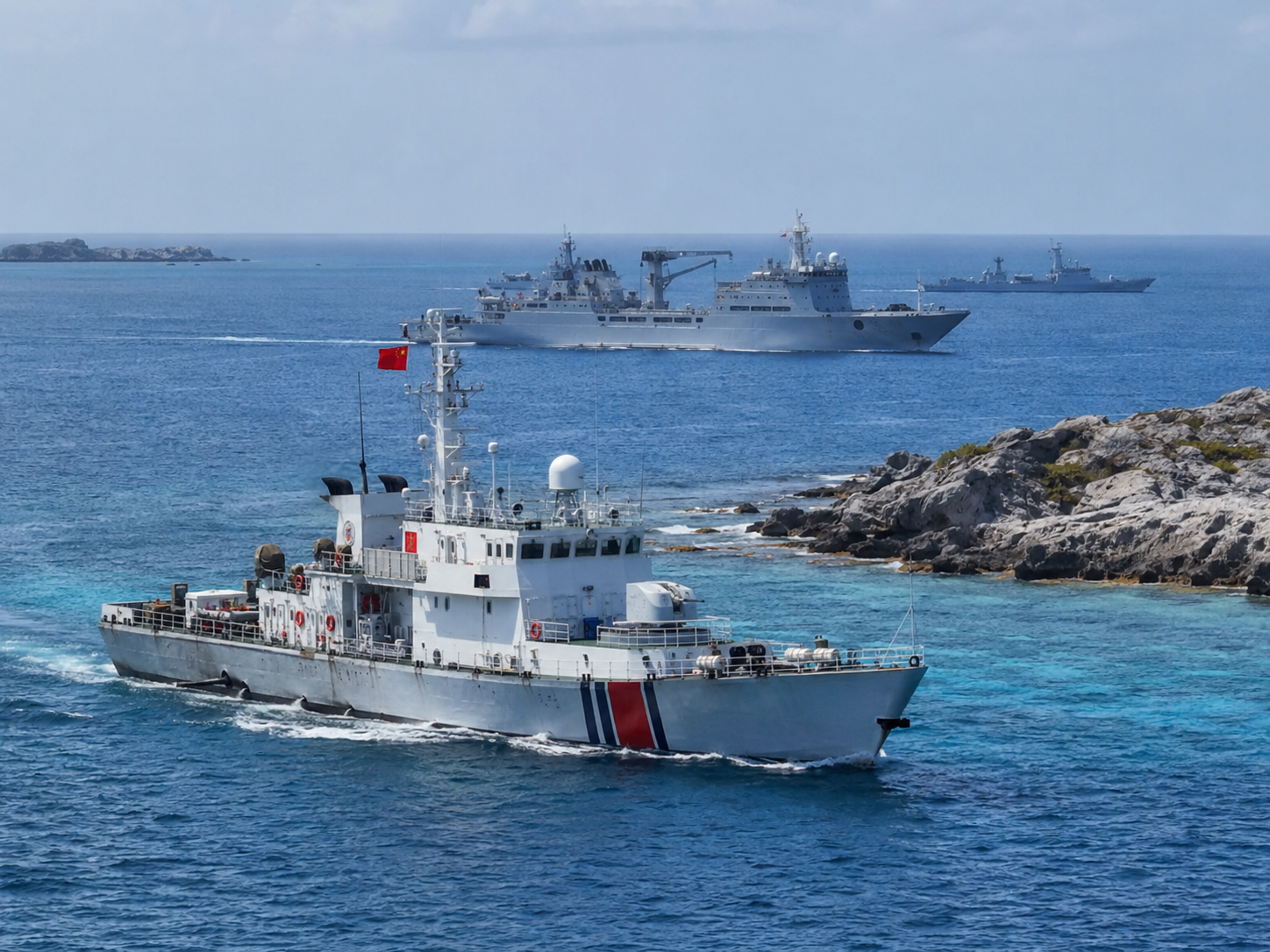
ASEAN and China continue to discuss a South China Sea code of conduct, but the hardest questions remain whether any rules would be binding, enforceable, and respected at sea. Editorial illustration by TheDailyGlobe.
ASEAN and China are still trying to turn years of South China Sea diplomacy into rules that matter in practice, but the central problem remains unresolved: agreeing on language is easier than making a binding code that changes behavior at sea.
Senior officials from ASEAN and China met in Cebu, the Philippines, in January 2026 to review implementation of the Declaration on the Conduct of Parties in the South China Sea and discuss advancing code-of-conduct negotiations, according to ASEAN materials.
Why the Talks Matter
The South China Sea is not just a regional dispute. It is a major shipping route, a testing ground for competing maritime claims, and a flashpoint involving China, Southeast Asian governments, and U.S. allies and partners.
For U.S. readers, the issue matters because American policy in Asia is tied to freedom of navigation, alliance commitments, trade routes, and the balance of power between China and neighboring countries. A code of conduct could help lower tensions, but only if the parties agree on rules that are clear and enforceable.
Why Binding Rules Are Difficult
The hardest question is whether ASEAN and China can agree on binding terms. Some governments want a stronger code that limits risky behavior and creates clearer expectations. China and other claimants have their own positions on maritime rights, sovereignty, and enforcement, and those claims should be attributed rather than treated as settled fact.
The Philippines has sought progress on a binding code as its ASEAN chair context develops, according to regional reporting. But wanting progress and securing agreement are different things. The source material does not show that a final code has been adopted.
What Remains Unclear
It remains unclear whether any code would actually change behavior at sea. A weak agreement could give diplomats something to point to while leaving ships, coast guards, and fishing fleets operating under the same pressures as before.
Enforcement is the other unresolved piece. If one side says the rules were violated, who decides? What consequences follow? How would claimants respond without escalating the dispute?
For now, the talks show that diplomacy is still moving, but slowly. The South China Sea problem is not only about writing rules. It is about whether governments are willing to accept limits, follow them, and handle disputes without turning every encounter at sea into a larger crisis.
Reporting note: Reporting draws on ASEAN official materials, regional reporting, South China Sea diplomatic background, and reviewed context. This article was produced with AI-assisted research and reviewed by an editor before publication.