Russian Warnings Over Kyiv Put Civilian Safety and Diplomacy Back in Focus
European governments and the EU summoned Russian representatives after Moscow warned foreigners and diplomats to leave Kyiv, renewing concern over civilian safety.
Save Article
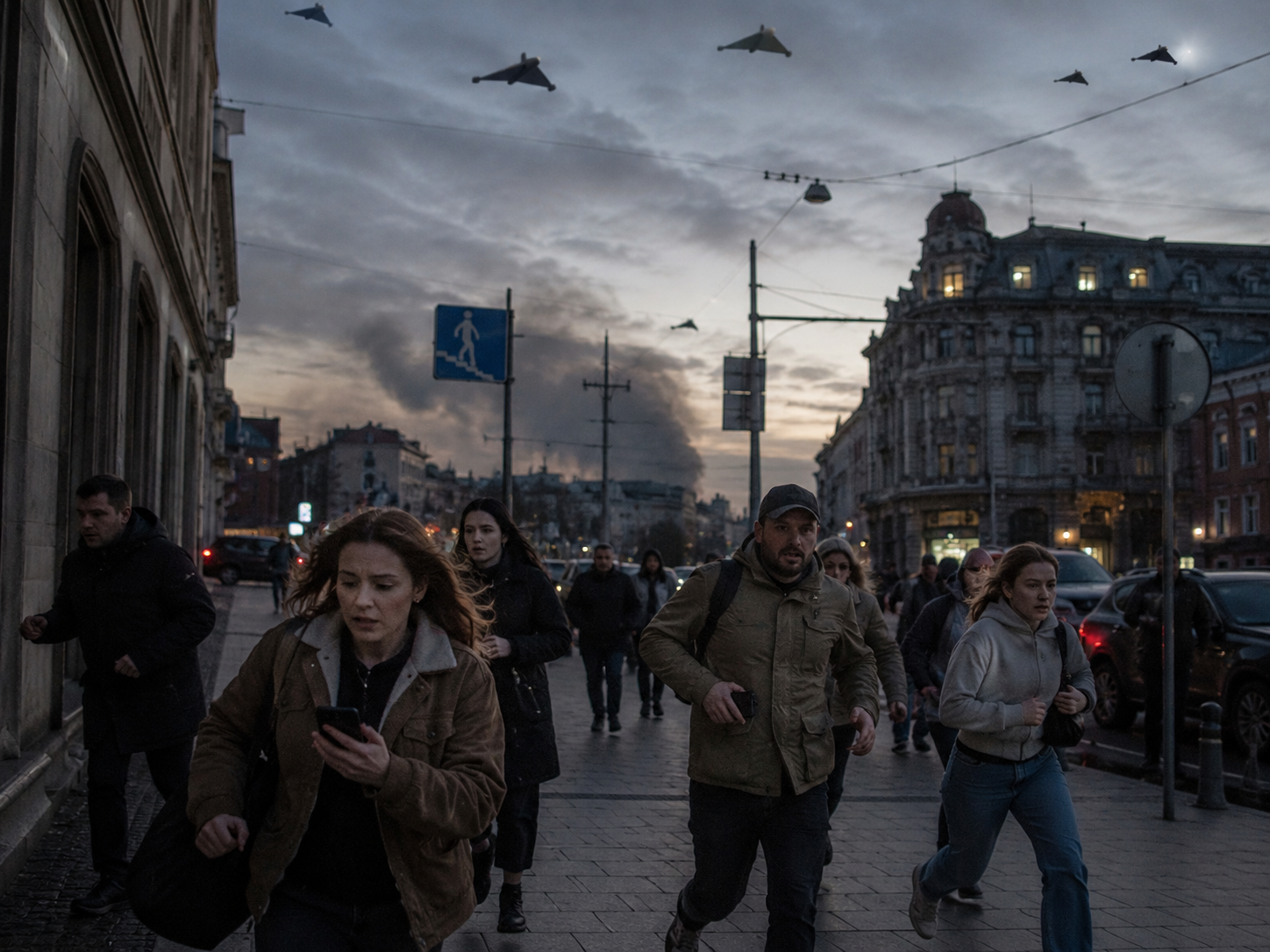
Diplomatic warnings carry real consequences when civilians and embassy staff are already living with wartime risk. Editorial illustration by TheDailyGlobe.
Key Facts
- Germany, Norway, the Netherlands, Poland and the EU summoned Russian representatives after Moscow warned foreigners and diplomats to leave Kyiv.
- Russia described its warning in connection with intended strikes, but that framing should be treated as Russia’s claim.
- OCHA reported major civilian damage from recent attacks on Kyiv and neighboring regions.
- European officials continued to call for pressure on Russia and support for Ukraine.
- It remains unclear whether new strikes will target Kyiv in the near term.
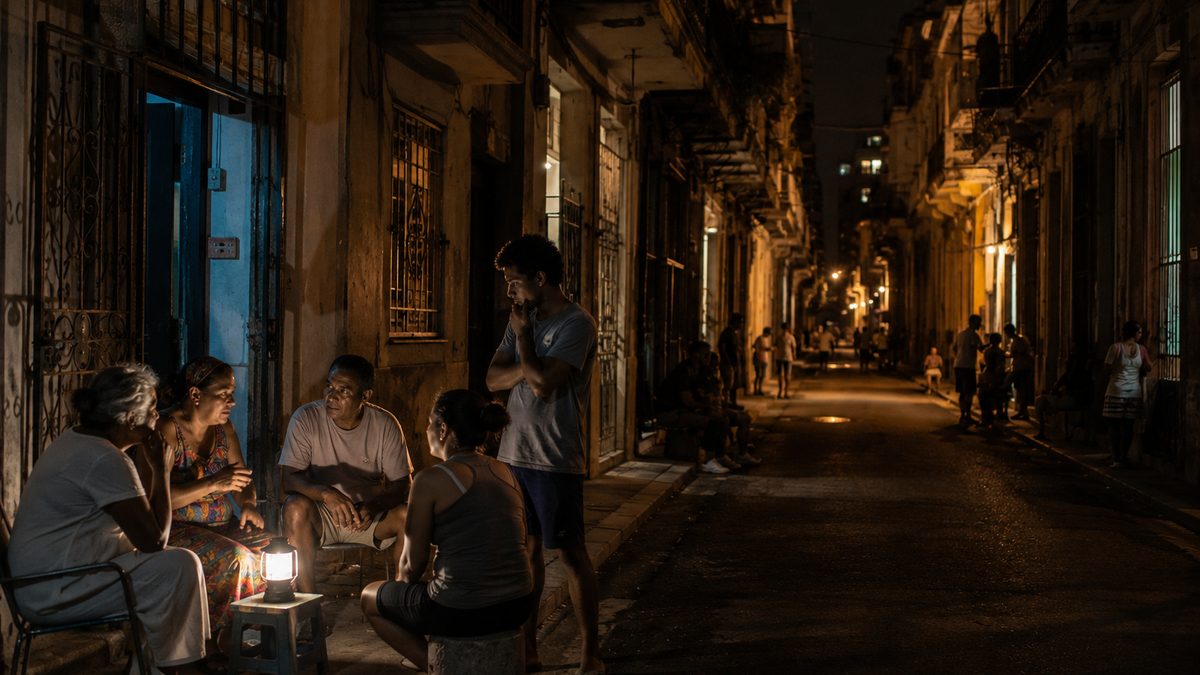
For civilians in Kyiv, wartime warnings are not abstract diplomatic language. They affect whether families stay near home, whether aid workers keep operating, whether embassy staff remain in place and whether governments believe their citizens face a new level of risk.
That is the practical meaning behind a new diplomatic dispute between Russia and several European governments. Germany, Norway, the Netherlands, Poland and the European Union summoned Russian representatives after Moscow warned foreigners and diplomats to leave Kyiv, according to Reuters-derived reporting. The warning came as United Nations humanitarian reporting described major civilian damage from recent attacks on Kyiv and nearby regions.
What Russia Warned And How Europe Responded
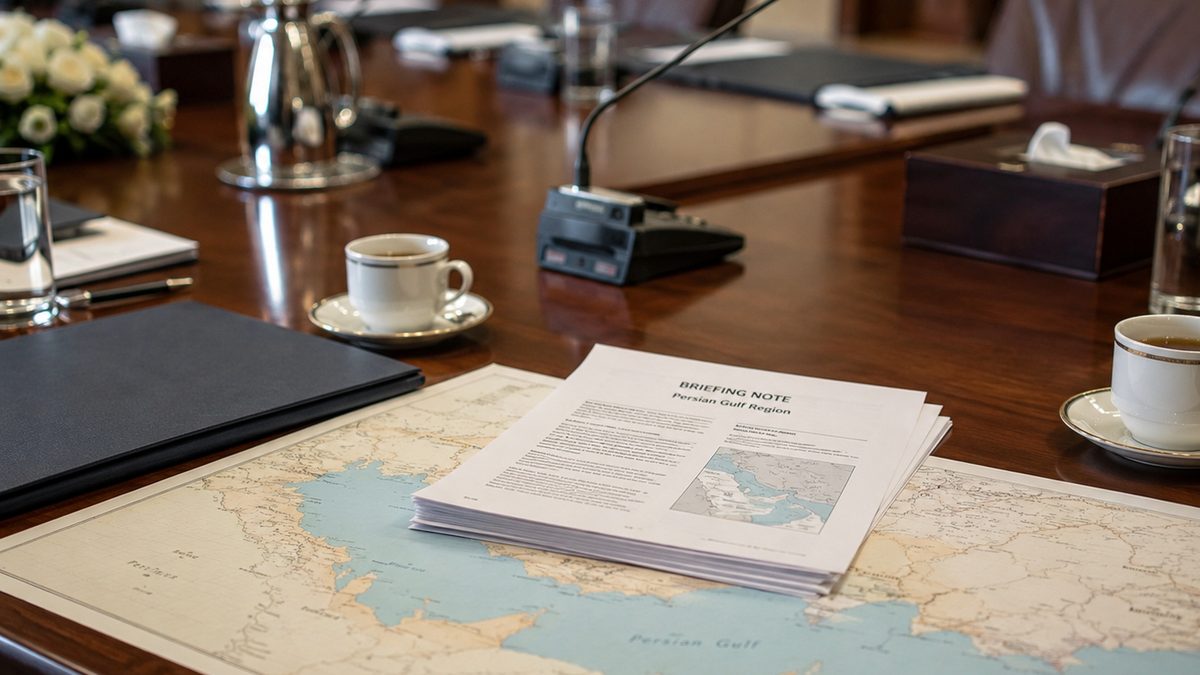
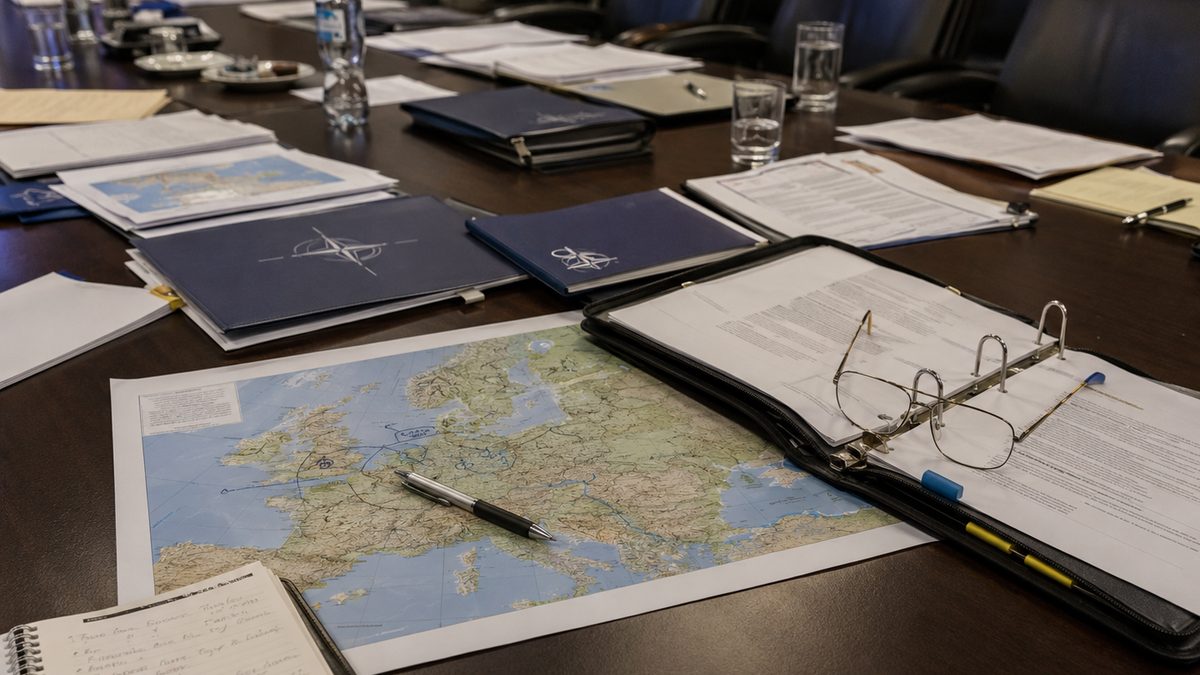
The diplomatic response followed Moscow’s warning that foreigners and diplomats should leave Kyiv. Reuters-derived reporting said European governments and the EU summoned Russian representatives after the warning, a formal step used when governments want to register concern, demand explanation or protest another country’s action.
Russia’s own description of the situation should be handled carefully. Moscow has framed its warnings around intended military action, including descriptions of possible strikes as precise or limited. Those are Russian claims, not independent proof of what may happen next or what any future strike would hit.
For European governments, the issue is not only military. A warning directed at foreigners and diplomats in a capital city raises questions about the safety of embassy staff, aid workers, journalists and civilians who cannot simply leave because a government issues a warning.
The Civilian Risk Behind The Diplomatic Protest
The United Nations Office for the Coordination of Humanitarian Affairs reported major civilian damage from recent attacks on Kyiv and neighboring regions. In a war where civilian areas, power systems and public services have repeatedly been affected, damage reports matter because they help separate battlefield claims from the human cost on the ground.
Damage and casualty figures in wartime should be attributed carefully. Some information comes from Ukrainian officials, some from humanitarian agencies and some from outside reporting. Full independent verification can be difficult, especially close to the time of an attack.
Still, the pattern is clear enough for governments and aid groups to treat civilian protection as a central issue. The diplomatic summons were not just a procedural argument over language. They came in the context of a capital city and surrounding communities already dealing with recent attacks.
Why This Matters Beyond Kyiv
Ukraine remains central to European security because the war has forced governments to make repeated decisions about military aid, sanctions, energy planning, refugee support and diplomatic pressure. A Russian warning involving Kyiv adds another layer to those decisions: how to protect civilians and diplomatic personnel without accepting Russia’s framing of the war.
For U.S. readers, the development helps explain why the war continues to shape Western policy even when the front lines are far away. European governments are not only responding to battlefield reports. They are also responding to threats, warnings and civilian harm that affect how the war is managed diplomatically.
The summons also show how countries respond when direct military decisions are not the only tool available. Calling in Russian representatives does not stop a missile strike by itself. But it creates a public record of objection and keeps diplomatic pressure tied to civilian protection.
What Remains Unclear
The most immediate unknown is whether further Russian strikes will target Kyiv in the near term. A warning does not confirm a target list, timing or scale. It also does not prove that any future attack would unfold the way Russian officials describe it.
It is also unclear whether the diplomatic summons will affect Russian military decisions. Governments can protest, impose pressure, coordinate sanctions or issue warnings of their own, but the available reporting does not show that Moscow’s military plans have changed because of the European response.
The other uncertainty is verification. In wartime, damage and casualty claims can emerge quickly and change as officials, aid agencies and reporters gather more information. Readers should treat early reports with care while still recognizing that humanitarian agencies have documented serious civilian harm.
What To Watch Next
The next developments to watch are practical ones: whether Kyiv faces additional attacks, whether embassies change their posture, whether aid operations adjust and whether European governments announce new sanctions or other diplomatic steps.
The larger question is whether Russia’s warnings become part of a repeated pattern around civilian centers and diplomatic missions. For now, the confirmed picture is narrower but serious: Moscow issued a warning over Kyiv, European governments formally objected, and humanitarian reporting continues to show the civilian cost of attacks in and around Ukraine’s capital.
Reporting note: Reporting draws on United Nations humanitarian updates, diplomatic reporting, wire reporting, and reviewed international conflict context. This article was produced with AI-assisted research and reviewed by an editor before publication.