Quad Energy and Critical Minerals Push Gives Indo-Pacific Strategy a Practical Edge
The Quad's New Delhi meeting put energy security and critical minerals into sharper focus, linking diplomacy to supply chains, technology and economic resilience.
Save Article
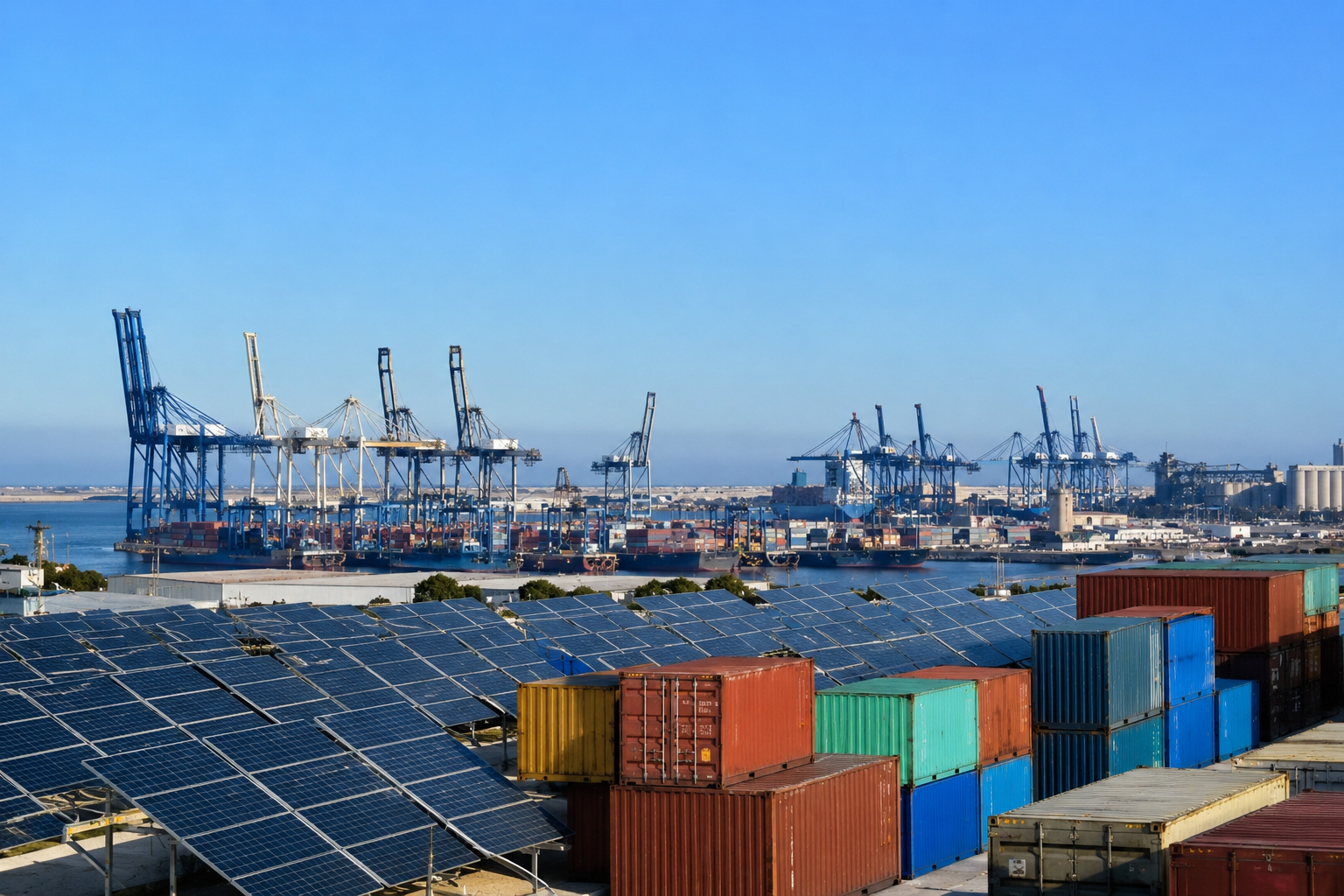
Energy and critical-mineral supply chains have become a larger part of Indo-Pacific diplomacy. Editorial illustration by TheDailyGlobe.
Key Facts
- Quad ministers from Australia, India, Japan and the United States met in New Delhi on May 26.
- AP reported that the meeting included new energy security and critical minerals initiatives.
- The U.S. State Department released Quad materials tied to the meeting.
- India’s Ministry of External Affairs listed the Quad meeting in New Delhi.
- The available source material does not confirm project timelines or measurable supply-chain results.
The Quad’s latest meeting in New Delhi put a practical edge on a phrase that can otherwise sound distant: Indo-Pacific strategy.
Foreign ministers from Australia, India, Japan and the United States met on May 26, and AP reported that the ministers announced new initiatives involving energy security and critical minerals. The U.S. State Department released Quad materials tied to the meeting, while India’s Ministry of External Affairs listed the meeting in New Delhi.
For readers, the point is not just that four governments met. It is that their cooperation is moving into areas that touch daily economic life: fuel security, technology manufacturing, defense supply chains and the raw materials needed for modern equipment.
Why Energy and Minerals Are Now Diplomatic Issues
Energy and critical minerals used to sound like separate policy lanes. Energy was about fuel, power and prices. Minerals were about mining, manufacturing and industrial planning. In today’s economy, the two are harder to separate.
Critical minerals are used in batteries, electronics, clean-energy systems, defense equipment and other technologies. Energy security affects households, factories, shipping networks and national planning. When countries worry about where those materials come from, who processes them and how easily supplies can be disrupted, diplomacy becomes part of the supply chain.
That is why the Quad’s energy and critical minerals work matters. It turns a regional diplomatic meeting into something more concrete than shared language about cooperation.
The Supply-Chain Question
The practical question is whether cooperation among the Quad countries can make supply chains more resilient. That means making it less likely that one disruption, one political dispute or one narrow source of supply can create large problems for consumers, businesses or governments.
The source material supports the fact that energy security and critical minerals were part of the announced initiatives. It does not prove that the initiatives will produce measurable supply-chain resilience, nor does it confirm project timelines.
That distinction matters. Announcing cooperation can set direction, but supply chains change through investment, infrastructure, permitting, processing capacity, trade rules, private-sector decisions and years of follow-through.
The China Angle Needs Care
The Quad is often discussed in relation to China’s influence in the Indo-Pacific. That context is real, but it should not turn every supply-chain announcement into a sweeping claim.
Claims that the initiatives will reduce dependence on China should be attributed when sourced or framed as a policy aim, not stated as a completed result. The confirmed story here is narrower: the Quad ministers met, and energy security and critical minerals were among the cooperation areas reported after the meeting.
That careful wording helps readers understand the stakes without overselling what has happened.
How This Could Reach Regular People
The connection to daily life is indirect but real. Energy supply affects prices and reliability. Critical minerals affect the production of phones, vehicles, batteries, military equipment and energy technology. Port and supply-chain planning can affect how quickly goods move and how vulnerable markets are to disruption.
Most people will not notice a Quad ministerial statement in their daily routine. But they may notice the consequences of fragile supply chains when prices rise, products are delayed or governments scramble to secure materials for industries they consider essential.
That is the reader value in this story. It shows how international diplomacy can move from summit language into the basic systems that support the economy.
What Remains Unclear
The biggest unknowns are timing and results.
The available source material does not show when specific projects will begin, how they will be funded or whether the announced cooperation will make supply chains measurably stronger. It also does not show how much private companies, regional governments or future policy decisions will shape the outcome.
For now, the careful takeaway is that the Quad countries are trying to make energy security and critical minerals a more central part of their Indo-Pacific work. That does not solve the supply-chain problem by itself. It does show where the four governments believe the next layer of practical cooperation needs to be.
Reporting note: Reporting draws on government statements, international organization materials, reputable wire reporting, regional reporting, and reviewed background materials. This article was produced with AI-assisted research and reviewed by an editor before publication.