Poland and Lithuania Nuclear Talks Show NATO's Deterrence Debate Is Moving East
Poland and Lithuania confirmed talks about possible roles in NATO nuclear deterrence, while Poland said it has no current plan to host nuclear weapons.
Save Article
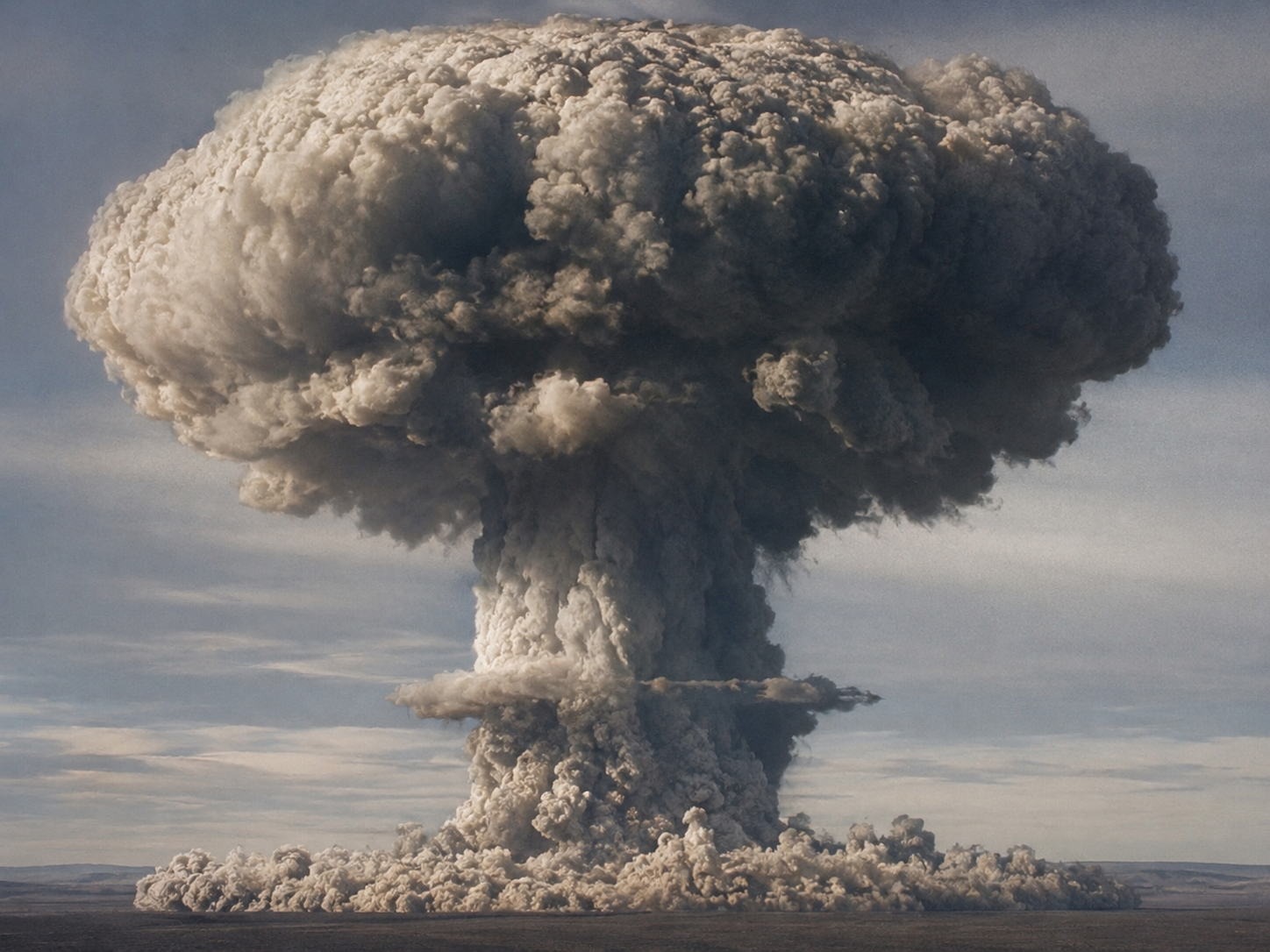
Deterrence debates often begin behind closed doors long before governments announce what they will do. Editorial illustration by TheDailyGlobe.
Key Facts
- Poland and Lithuania confirmed they are participating in discussions about possible roles in NATO nuclear deterrence.
- Poland denied any current plan to host nuclear weapons.
- Associated Press reported that NATO officials described deterrence posture review work as ongoing for several years.
- Specific details of the talks remain classified.
- No confirmed decision has been announced to base nuclear weapons in Poland or Lithuania.
Nuclear deterrence is the kind of phrase that can make a routine defense discussion sound more alarming than it is. The first thing to know about the latest NATO debate is simple: talks are happening, but that does not mean nuclear weapons are moving.
Poland and Lithuania have confirmed they are taking part in discussions about possible roles in NATO nuclear deterrence, according to Associated Press reporting. Poland also denied that it currently plans to host nuclear weapons, a key distinction in a subject where vague language can quickly outpace confirmed facts.
The discussion matters because it shows how European defense planning is shifting as countries closest to Russia look for a larger voice in NATO's deterrence posture. For U.S. readers, it also matters because NATO nuclear planning is closely tied to American weapons, American commitments and the alliance's broader defense strategy in Europe.
What the Talks Mean So Far
The confirmed development is not a deployment decision. It is the public acknowledgment by Poland and Lithuania that they are involved in discussions about potential NATO nuclear deterrence roles.
That distinction matters. NATO's deterrence posture includes planning, consultations, exercises, aircraft arrangements, alliance messaging and, in some countries, nuclear-sharing arrangements. A country can be part of discussions without agreeing to host weapons or changing its military role immediately.
Poland's denial of any current plan to host nuclear weapons is therefore central to the story. It keeps the public record from drifting into a stronger claim than officials have made. The available reporting confirms talks, not new basing.
Why Eastern Europe Is Pressing the Issue
The talks are unfolding against the backdrop of Russia's war in Ukraine and the security concerns of NATO countries on the alliance's eastern side. Poland and Lithuania are both close to the conflict's strategic geography, and both have been vocal about the need for NATO to treat Russia as a long-term security challenge.
That does not mean every request or discussion leads to a new NATO policy. Nuclear deterrence decisions are among the most sensitive choices the alliance makes. They involve military planning, political consent, public risk, classified details and the views of multiple governments.
Associated Press reported that NATO officials described deterrence posture review work as something that has been underway for several years. That context is important because it suggests the current discussion is part of a broader alliance review, not necessarily a sudden decision triggered by one day's events.
What Remains Classified
The most important details remain out of public view. It is not clear whether the roles being discussed would involve hosting weapons, aircraft participation, training, exercises, planning, consultation or another form of support.
That uncertainty should not be treated as a blank space to fill with assumptions. Nuclear policy is often discussed in guarded language, partly because governments do not want to reveal operational details and partly because public messaging is itself part of deterrence.
The safer reading is narrower: Poland and Lithuania have confirmed participation in deterrence-related talks; Poland has said there is no current plan to host nuclear weapons; NATO's broader deterrence review has been underway for years; and any specific future role remains unsettled publicly.
Why This Matters for the United States
The United States is not a bystander in NATO nuclear deterrence. American nuclear weapons and U.S. defense commitments are central to the alliance's posture, even when the public debate is happening in Europe.
That makes the Poland-Lithuania discussion relevant beyond Eastern Europe. Any change in NATO nuclear-sharing roles, training arrangements or deterrence posture would involve alliance politics and U.S. policy choices, not only decisions by the countries closest to Russia.
For now, the practical takeaway is restraint. The discussion is real, but the outcome is not known. Officials have not announced that weapons will be hosted in Poland or Lithuania, and classified details limit what can be said with confidence.
What to Watch Next
The next signals may come from NATO's June defense minister meeting, official statements from Poland or Lithuania, NATO briefings or U.S. comments on alliance deterrence planning.
The question to watch is not only whether NATO changes where weapons are based. It is whether the alliance gives eastern members a larger visible role in nuclear deterrence while still managing the risks that come with discussing nuclear policy in public.
Reporting note: Reporting draws on Associated Press reporting, NATO deterrence context, official remarks, European security reporting, and reviewed background materials. This article was produced with AI-assisted research and reviewed by an editor before publication.