Europe's New Border System Is Already a Summer Travel Headache
A new European border-processing system is changing how many U.S. travelers enter the region, with digital records replacing passport stamps and possible delays depending on airport, date and demand.
Save Article
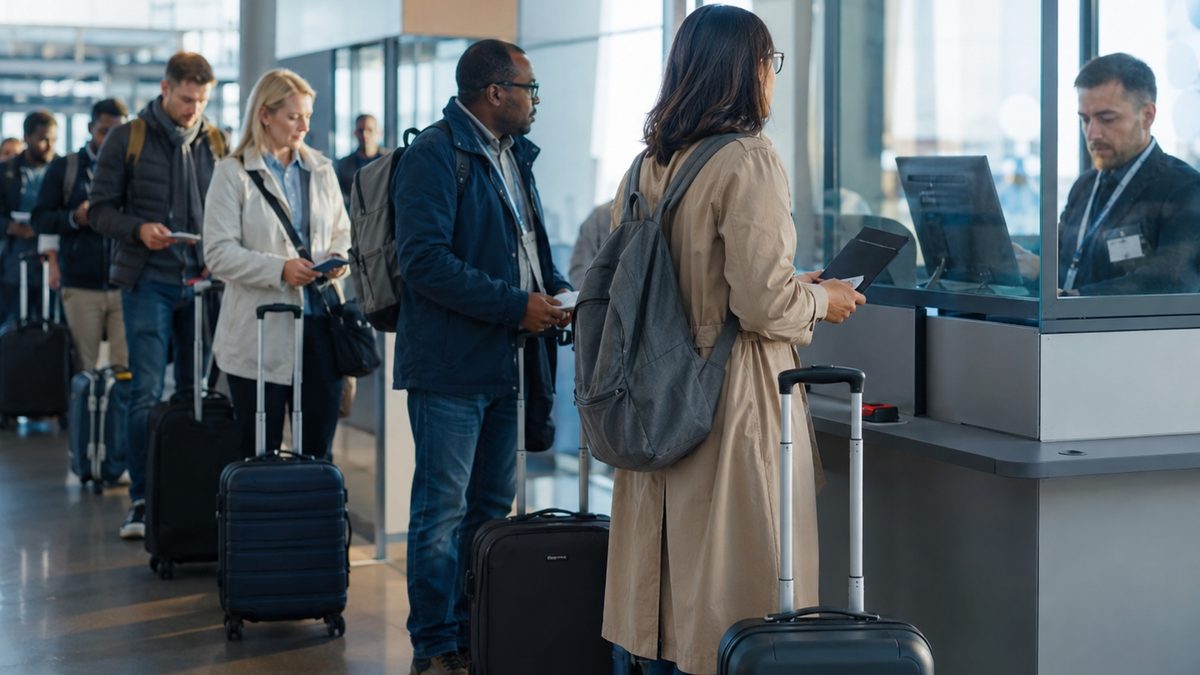
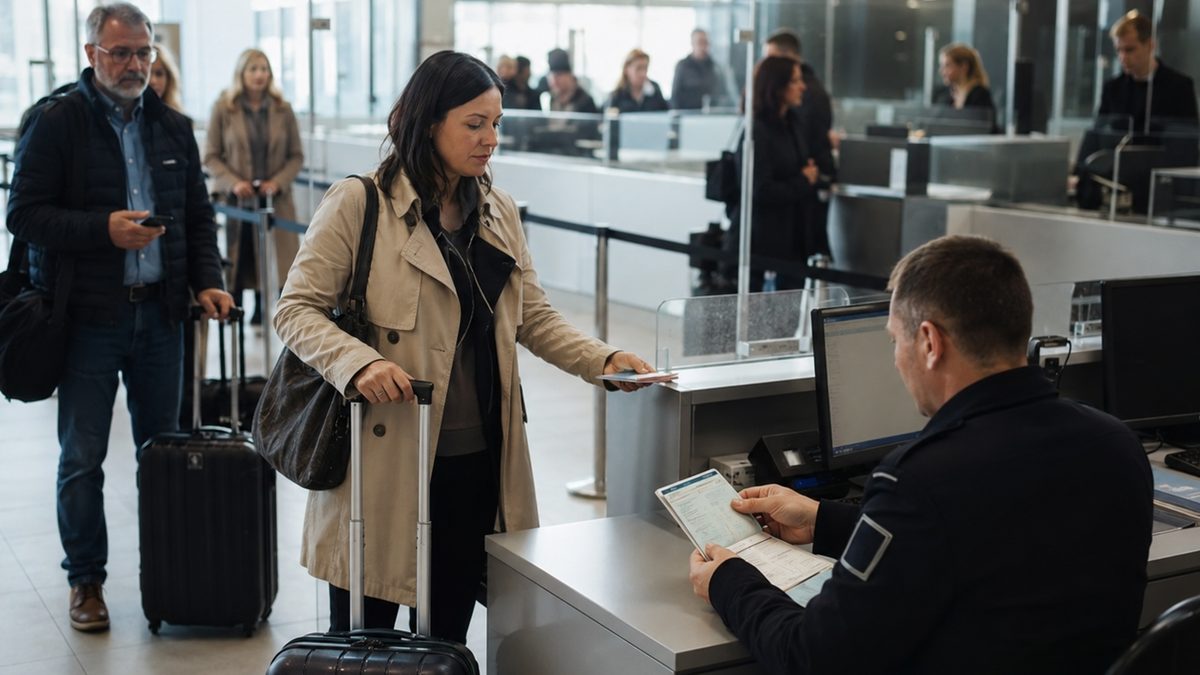
Europe's new border checks may turn routine passport control into a bigger planning step for summer travelers. Editorial illustration by TheDailyGlobe.
Key Facts
- The U.S. State Department says U.S. citizens traveling to 29 European countries must use the EU Entry/Exit System.
- European Union guidance says EES replaces passport stamping with digital records for short-stay non-EU travelers.
- Recent U.S. reporting says travelers should be prepared for possible disruption as the system is implemented.
- Delay times may vary by airport, date, staffing and traveler volume.
- EES is separate from ETIAS, the EU's separate travel authorization system.
For many summer travelers, the first headache in Europe may not be the flight. It may be the line after landing.
A new European border-processing system is changing how many travelers from outside the European Union are recorded when they enter and leave participating countries. For U.S. citizens heading to much of Europe, that means passport control may involve more than the familiar stamp-and-go routine.
The U.S. State Department says U.S. citizens traveling to 29 European countries must use the European Union's Entry/Exit System, known as EES. EU guidance says the system replaces manual passport stamping with digital records for short-stay non-EU travelers.
What The New System Changes
The simplest way to understand EES is this: Europe is moving from manual passport stamps to digital entry and exit records for many short-stay travelers from outside the EU.
For travelers, that can mean new processing steps at the border. Instead of relying only on a passport stamp, the system is designed to record when a traveler enters and leaves participating European countries. The goal is to make border records digital, but the rollout can still create friction at airports, ferry terminals, rail stations and other entry points.
That friction is the part travelers are most likely to notice. A new system does not have to fail to create delays. Extra checks, unfamiliar kiosks, staff training, passenger confusion and peak travel demand can all slow down a line, especially during the busy summer season.
Who Should Pay Attention
The most affected readers are U.S. travelers planning trips to countries covered by the system. That includes families taking summer vacations, students heading abroad, business travelers, tour groups and anyone connecting through major European travel hubs.
The practical concern is not only whether a traveler is allowed to enter. It is whether the process takes longer than expected. A longer passport-control line can affect connecting flights, airport pickups, train tickets, hotel check-ins and tour schedules.
Travelers should also avoid treating Europe as one airport. A busy hub on a peak summer day may feel very different from a smaller airport at a quieter hour. The same system can create different experiences depending on staffing, layout, passenger volume and how smoothly local border agencies manage the change.
EES Is Not ETIAS
One of the easiest points of confusion is the difference between EES and ETIAS.
EES is the Entry/Exit System. It is about recording the border crossing itself: when short-stay non-EU travelers enter and leave participating countries. ETIAS is a separate travel authorization system. Travelers should not assume that reading about one means they understand the other.
That distinction matters because a traveler looking up requirements before a trip can easily run into both terms. EES affects border processing. ETIAS is a separate authorization requirement. Before departure, travelers should check official guidance rather than relying on social media summaries or outdated travel blogs.
What Remains Unclear
The big unknown is how smoothly the system will operate during peak summer travel. Recent U.S. reporting has warned travelers to prepare for possible disruption, but that does not mean every airport will be delayed or that every traveler will face the same wait.
Delay times may vary widely. Some airports may move passengers through efficiently. Others may see bottlenecks during busy arrival banks, holiday weekends or early implementation periods. Border agencies may also adjust operations if lines become a recurring problem.
That uncertainty is exactly why travelers should build in extra time where possible. The most frustrating travel problems often come from assuming a new process will work like the old one.
What Travelers Should Check Before Leaving
The best preparation is basic but useful. Travelers should review U.S. State Department guidance, official EU travel pages, airline notices, airport updates and any instructions from tour operators or cruise lines.
It is also worth checking connection times carefully. A tight itinerary that worked under the old system may feel riskier if passport control takes longer. Families traveling with children, older relatives or large groups may want to leave more room between arrival and the next scheduled leg of the trip.
Europe's new border system is not a reason to avoid travel. It is a reason to plan like the rules at the counter have changed, because for many travelers, they have. A little extra time and a quick check of official guidance may be the difference between a manageable wait and a missed connection.
Reporting note: Reporting draws on U.S. State Department guidance, European Union travel guidance, current U.S. travel reporting, and reviewed background materials. This article was produced with AI-assisted research and reviewed by an editor before publication.