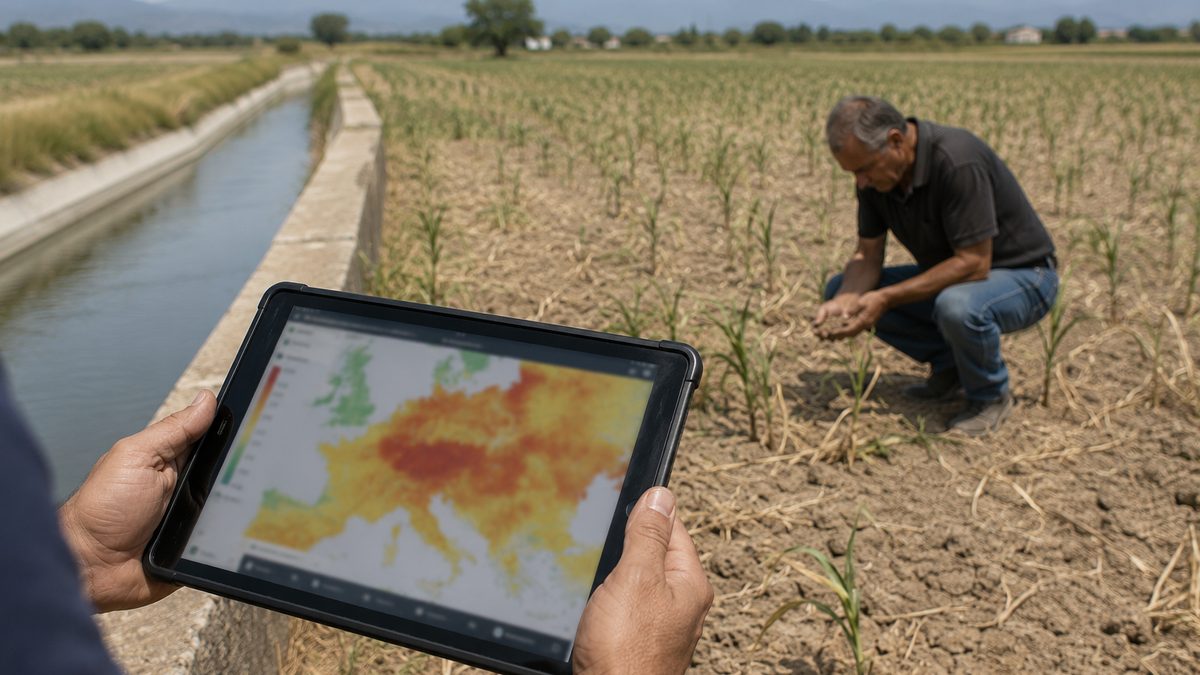
Europe's Summer Wildfire Plan Is a Travel Story, Not Just a Climate Story
The European Union says it is deploying record wildfire resources before peak summer season, a move travelers may want to watch as heat, smoke and emergency alerts shape plans.
Save Article
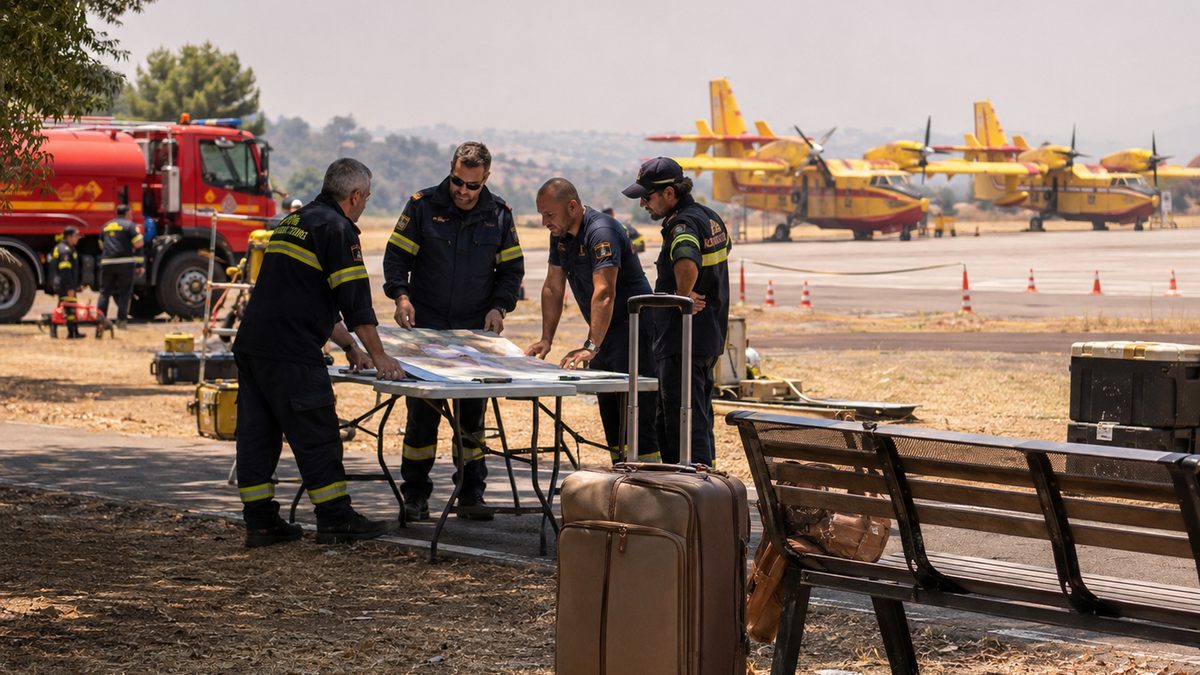
Wildfire planning can become a travel story when heat, smoke and emergency alerts shape summer movement across Europe. Editorial illustration by TheDailyGlobe.
Key Facts
- The European Commission said the EU is deploying a record number of firefighters, aircraft and emergency experts for the 2026 wildfire season.
- The Commission said the deployment is aimed at helping protect lives, homes and nature.
- Recent reporting has pointed to broader European concern about heat and summer readiness.
- Wildfire and heat risk varies by country and region, making local alerts more useful than broad assumptions.
- It remains unclear which areas will face the worst wildfire conditions this summer.
A wildfire plan in Europe may sound like a government preparedness story. For summer travelers, it can become something much more practical: a question about flight changes, road closures, smoke, hotel plans, local alerts and whether a destination is ready before trouble starts.
The European Commission said the European Union is deploying a record number of firefighters, aircraft and emergency experts for the 2026 wildfire season. The stated goal is to help protect lives, homes and nature before peak fire conditions arrive across parts of the continent.
That does not mean every country will face the same risk, or that travelers should treat Europe as one wildfire zone. It does mean the EU is preparing for a season in which heat, dry conditions, smoke and emergency response capacity can quickly affect both residents and visitors.
What Europe Is Putting In Place
The EU’s announcement is about readiness before the most dangerous weeks arrive. Firefighters, aircraft and emergency experts can be moved to support countries facing major fires, especially when local crews are stretched or when more than one country needs help at the same time.
That kind of planning matters because wildfires rarely stay neatly inside one category. They are public safety events, environmental events, transportation events and, in tourist areas, economic events. A major fire can close roads, interrupt rail service, affect air quality, force evacuations and put pressure on local hospitals and emergency crews.
The Commission framed the effort around protecting people, homes and nature. That is the clearest confirmed purpose of the deployment. What the announcement does not prove is how severe the full season will be, where the worst fires will occur, or whether the added resources will be enough if multiple countries face major fires at once.
Why Travelers Should Pay Attention
For U.S. readers planning or following summer travel, the important point is not to panic. It is to treat wildfire risk as part of normal trip planning, especially in regions where heat, drought or recent fire seasons have already raised concern.
A traveler does not need to become a wildfire expert to make better decisions. The practical steps are simpler: watch official local alerts, check airline and rail guidance, understand hotel cancellation policies, keep travel documents and medication easy to reach, and know whether a destination has active smoke, evacuation warnings or transportation disruptions.
The risk can also be indirect. A fire does not have to be near a hotel to affect a trip. Smoke can lower air quality across a wider area. Emergency crews may close roads or limit access to parks, beaches or rural routes. Airports can face delays if smoke, heat or firefighting activity affects operations nearby. Those outcomes vary widely by country and by week.
What The Plan Can And Cannot Tell Us
A record deployment is a sign that officials are taking the season seriously. It is not a forecast that Europe will see record damage. Preparedness announcements often reflect lessons from past seasons, available resources and the need to reassure the public before conditions worsen.
Recent reporting has also raised questions about how prepared parts of Europe are for extreme heat. That context matters, but it should be read carefully. Europe is not one place with one level of risk. Northern cities, Mediterranean islands, mountain towns and coastal tourism centers can face very different conditions.
That is why local information matters more than broad summer assumptions. A national heat warning, a local fire ban, an evacuation notice or an airline advisory will tell travelers more than a general headline about European wildfire season.
What To Watch This Summer
The main questions now are practical. Which regions face the worst conditions? Will several countries need emergency support at the same time? Will smoke, road closures or airport disruptions affect major travel routes? And will national governments issue clearer guidance for visitors as summer conditions develop?
Travelers should watch official alerts from the countries and cities they plan to visit, along with airline, rail and local emergency updates. The EU’s wildfire resources may help countries respond faster, but the experience on the ground will still depend on weather, terrain, local staffing and how quickly fires are detected and contained.
The useful takeaway is simple: Europe’s wildfire planning is not only a climate headline or an institutional announcement. In a busy summer travel season, it is also a reminder that heat, smoke and emergency readiness can shape ordinary plans long before flames are visible from a hotel window.
Reporting note: Reporting draws on European Commission materials, regional reporting, international context reporting, public safety updates, and reviewed background materials. This article was produced with AI-assisted research and reviewed by an editor before publication.