NATO's Kosovo Drawdown Is a Quiet Signal About a Long Peacekeeping Mission
NATO says improved security allows it to adjust its Kosovo peacekeeping mission, but troop levels and local tensions remain important questions.
Save Article
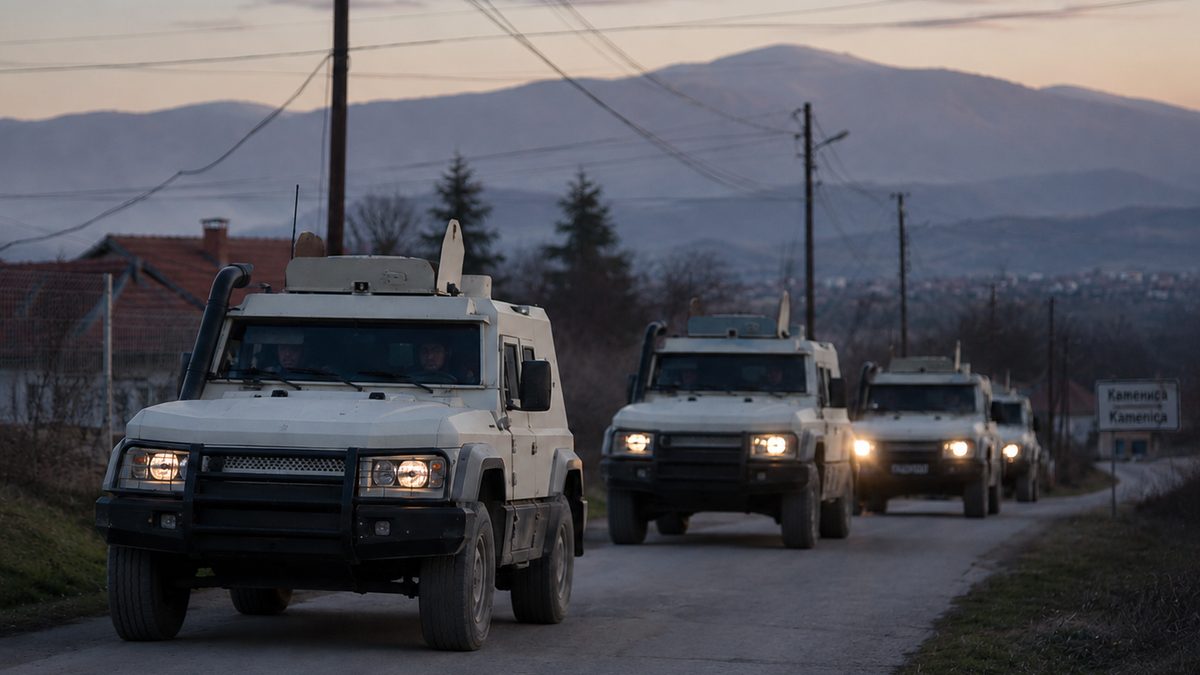
NATO says improved security allows it to gradually adjust its long-running Kosovo peacekeeping mission. Editorial illustration by TheDailyGlobe.
Key Facts
- NATO said an improved security situation in Kosovo allows the KFOR mission to be optimized over the next year.
- Reuters reported that NATO will gradually adjust the strength of its Kosovo peace support mission.
- KFOR has operated in Kosovo since 1999 under a United Nations mandate.
- Specific troop numbers and the pace of changes have not been fully detailed publicly.
- It remains unclear whether tensions in northern Kosovo could alter the drawdown plan.
Some international missions end with a ceremony. Others change quietly, one force adjustment at a time, after years of work that rarely makes front-page news.
NATO's peacekeeping mission in Kosovo is moving into that quieter category. The alliance says an improved security situation allows the KFOR mission to be optimized over the next year, with Reuters reporting that NATO will gradually adjust the strength of the peace support mission.
What NATO Is Changing
NATO is not describing the move as a full withdrawal. The alliance is saying the mission can be optimized because security conditions have improved. In plain terms, NATO is preparing to adjust the size or structure of KFOR rather than end the mission.
That distinction matters. Peacekeeping missions often shrink, rotate or shift responsibilities when commanders believe conditions allow it. A drawdown can signal confidence, but it can also be conditional. If the security picture changes, the plan can change with it.
The public details are still limited. NATO has said the security situation allows for changes over the next year, and reporting says the strength of the mission will be adjusted gradually. What remains less clear is exactly how many troops will remain, how quickly reductions will happen and which roles will be affected.
Why KFOR Still Matters
KFOR has been in Kosovo since 1999 under a U.N. mandate. Its presence is part of the security architecture that followed the Kosovo conflict and has helped make NATO a visible stabilizing force in the Balkans for more than two decades.
For many readers, Kosovo may seem like an old story. But long peacekeeping missions are often most important when they are least dramatic. Their purpose is not only to respond to crises. It is to keep tensions from becoming crises in the first place.
That is why a quiet force adjustment is worth paying attention to. It suggests NATO believes the mission can be changed without weakening security. At the same time, the alliance is not saying the underlying political issues have disappeared.
The Kosovo-Serbia Context
Kosovo's security picture cannot be separated from its relationship with Serbia and from tensions in northern Kosovo. NATO's statement points to improvement, but security assessments may not be experienced the same way by every local community or political actor.
That is one reason the pace of the adjustment matters. A gradual change gives NATO room to respond if conditions shift. It also avoids sending the message that the mission's work is complete when some disputes remain unresolved.
For the United States and other NATO members, Kosovo is also a reminder that alliance work is not limited to headline wars or new defense spending debates. NATO also runs long, sometimes quiet missions meant to prevent instability from returning to places where conflict has already done damage.
Confidence, But Not a Victory Lap
The careful reading of NATO's move is that it reflects measured confidence, not a final declaration of success. Improved security is the alliance's stated reason for optimization. The continuing mission is the reminder that NATO still sees a role for KFOR.
That balance is important because peacekeeping changes can be read too strongly in either direction. Calling it a withdrawal would overstate what NATO has announced. Treating it as routine paperwork would understate the meaning of changing a mission that has been in place since 1999.
The better frame is a transition. NATO appears to be adjusting the mission to match current conditions while keeping a presence in place if those conditions worsen.
What Remains Unclear
The main unanswered question is scale. NATO has not publicly provided every detail on troop numbers, roles or timelines. Those details will matter for judging whether this is a modest adjustment or a larger shift in the mission's footprint.
Local reaction will also matter. A security assessment made by NATO may not settle how communities, Kosovo's government, Serbia or regional observers view the move. If tensions rise in northern Kosovo, the drawdown plan could face new pressure.
That does not mean the plan is fragile. It means peacekeeping changes are judged over time, not by the first announcement. The real test is whether stability holds as the mission changes.
What to Watch Next
The next markers are troop-level details, NATO follow-up statements and any signs of renewed Kosovo-Serbia tension. If the security situation remains calm, the adjustment may proceed quietly. If tensions return, NATO may have to slow, revise or explain the plan more fully.
For now, the message is cautious but clear: NATO believes conditions in Kosovo allow for a gradual adjustment of a mission that has lasted more than a generation. In peacekeeping, that kind of quiet change can say a lot.
Reporting note: Reporting draws on NATO materials, official mission background, reputable wire reporting, military news reporting, and reviewed background materials. This article was produced with AI-assisted research and reviewed by an editor before publication.