Philippine Coast Guard Challenges Chinese Research Ships Near Disputed Waters
Philippine officials say Chinese research vessels are operating near disputed sandbars, showing how South China Sea pressure often builds through patrols, surveys and small confrontations rather than open fighting.
Save Article
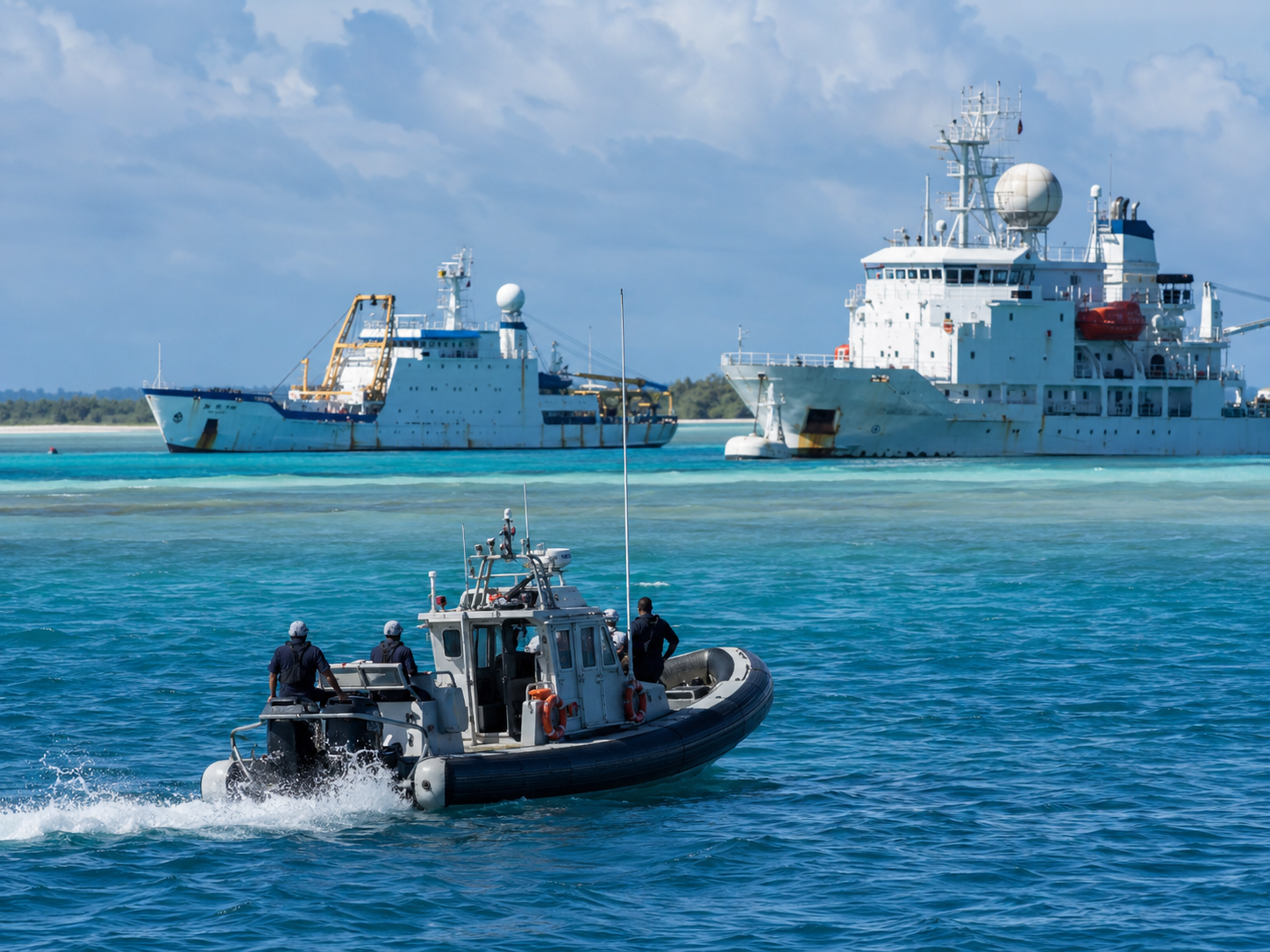
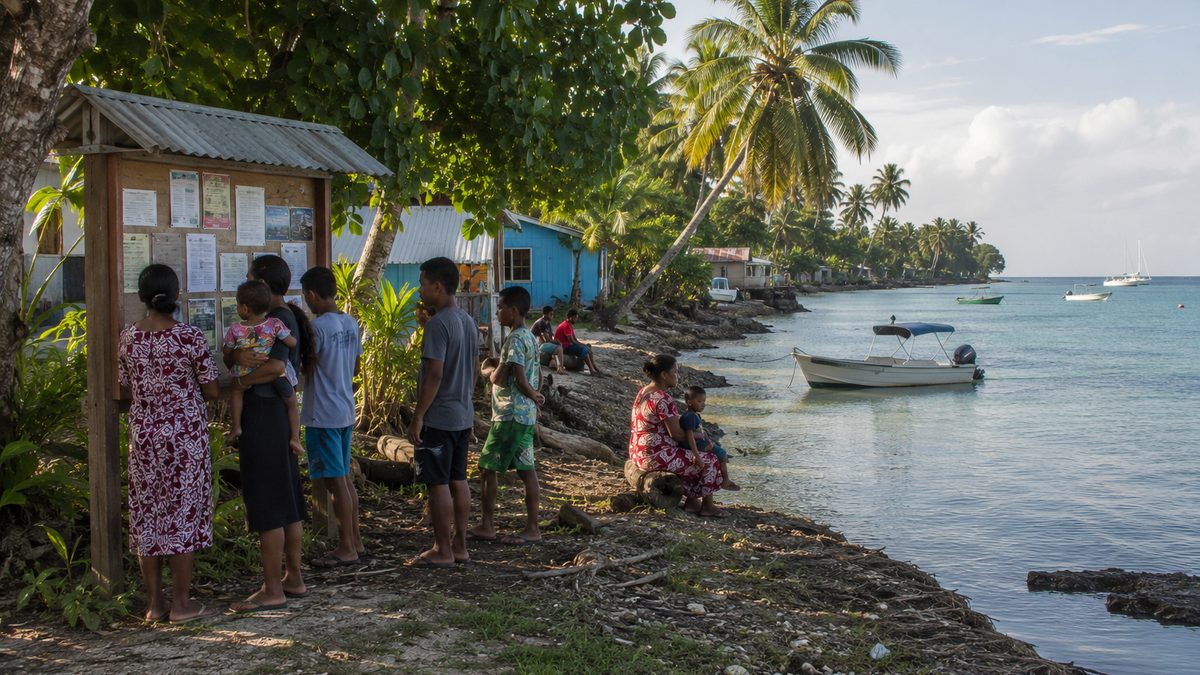
Philippine officials say Chinese research vessels are operating near disputed sandbars, showing how South China Sea pressure often builds through patrols, surveys and small confrontations rather than open fighting. Editorial illustration by TheDailyGlobe.
Key Facts
- Philstar reported Chinese personnel from a survey ship landed on sandbars within Pag-asa waters, citing Philippine Coast Guard information.
- Philstar reported earlier in May that the Philippine Coast Guard would deploy ships and planes against Chinese research vessels it described as unlawful.
- Philstar reported Chinese warships and coast guard vessels were seen around key West Philippine Sea locations during the same period.
- AP has reported on U.S.-Philippines allied drills and Chinese objections in the broader South China Sea context.
The Philippine Coast Guard is challenging the presence of Chinese research vessels near disputed waters in the South China Sea, a reminder that maritime pressure in the region often happens without a shot being fired.
Philstar reported that Chinese personnel from a survey ship landed on sandbars within Pag-asa waters, citing Philippine Coast Guard information. Earlier in May, Philstar reported that the Philippine Coast Guard planned to deploy ships and planes against Chinese research vessels it described as unlawful.
For readers, the issue is not only whether a research ship is gathering data. In disputed waters, surveys, landings, patrols and vessel movements can become part of a larger sovereignty contest. The South China Sea dispute is often shaped by these smaller incidents, not just by warships or military drills.
Why Research Ships Matter
Research vessels may sound less confrontational than military ships, but they can still matter in contested waters. A survey ship can collect information about the sea floor, currents, routes, reefs or other maritime conditions. In a region where sovereignty and maritime rights are disputed, that activity can carry political weight.
The Philippines’ position, as reflected in the reporting, is that the Chinese research vessel activity near these waters is improper or unlawful. That wording should be attributed to Philippine officials unless established through a legal ruling or formal international process.
China and the Philippines dispute sovereignty and maritime rights in parts of the South China Sea. That means even activity that one side presents as routine can be read by the other side as an attempt to strengthen a claim or test the response.
The Gray-Zone Pattern
This kind of encounter fits what security analysts often call gray-zone activity: pressure that falls below open warfare but still changes conditions on the water. Ships can appear near disputed features. Personnel can land on sandbars. Coast guard vessels can shadow each other. Aircraft can monitor from above.
Those actions can be easy to overlook if each one is treated as a small episode. Together, they can shape who is present, who responds, and whose claims are reinforced through repeated activity.
That is why the Philippine Coast Guard response matters. Sending ships and planes is not the same as a military confrontation, but it is a public signal that Manila does not want Chinese research activity near disputed areas to go unanswered.
How This Fits the Wider South China Sea Dispute
The South China Sea has long been a flashpoint involving overlapping claims, fishing grounds, shipping routes, energy interests and military access. The United States is not a claimant, but AP has reported on U.S.-Philippines allied drills and Chinese objections in the broader regional context.
That U.S. connection matters, but it should not overwhelm the local facts. The immediate dispute described in the source material concerns Chinese research vessels, Philippine Coast Guard activity and contested waters near Philippine-claimed areas.
The presence of Chinese warships and coast guard vessels around key West Philippine Sea locations during the same period, as reported by Philstar, adds to Manila’s concern that research activity is part of a wider pattern of maritime pressure.
What Remains Unclear
It remains unclear whether the latest encounter will lead to a formal diplomatic protest or a change in Philippine operations. It is also unclear what the Chinese vessel was collecting or surveying, based on the source material provided.
Another open question is whether additional vessels will return to the same sandbars or nearby waters. A single reported landing is important, but repeated activity would matter more for how both countries assess control, presence and response.
For now, the safest reading is that the encounter shows how the South China Sea dispute often moves through small, practical actions with larger diplomatic meaning. The story is not evidence that armed conflict is imminent. It is evidence that maritime pressure remains active, contested and difficult to ignore.
Reporting note: Reporting draws on regional reporting, Philippine Coast Guard-related reporting, AP background reporting, South China Sea context, and reviewed regional security materials. This article was produced with AI-assisted research and reviewed by an editor before publication.