NATO Resilience Push Shows Europe Is Planning Beyond the Battlefield
A NATO meeting in Vilnius puts attention on civil resilience as Europe keeps responding to security pressure from Russia’s war in Ukraine.
Save Article

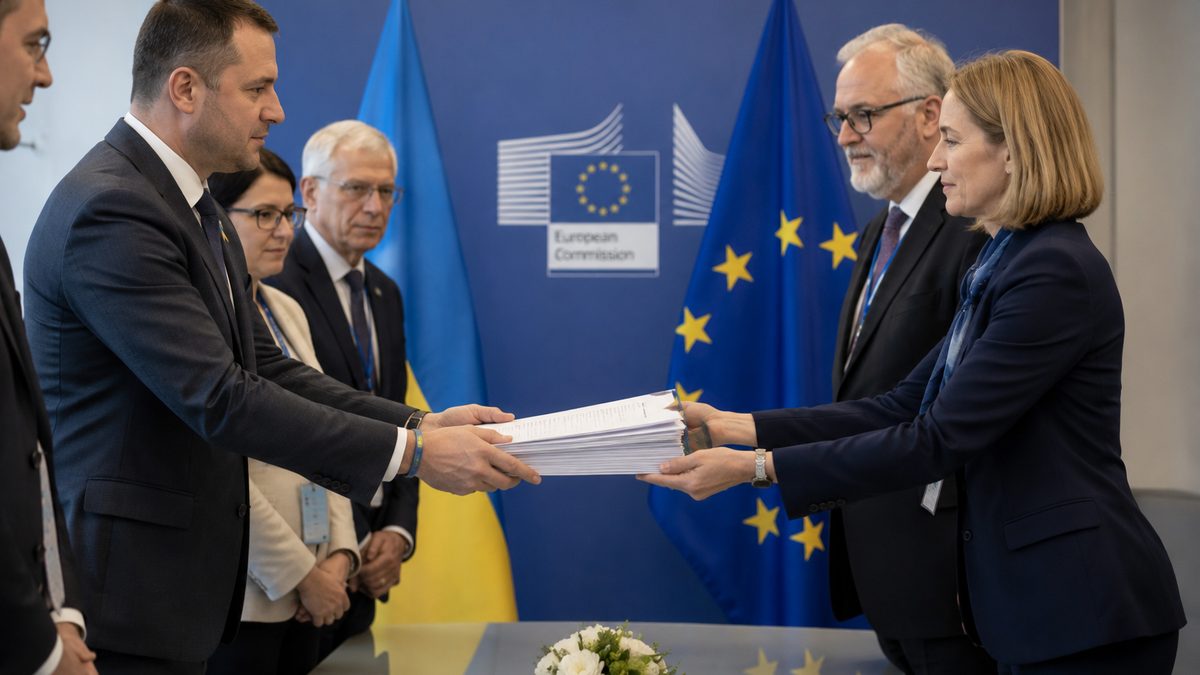
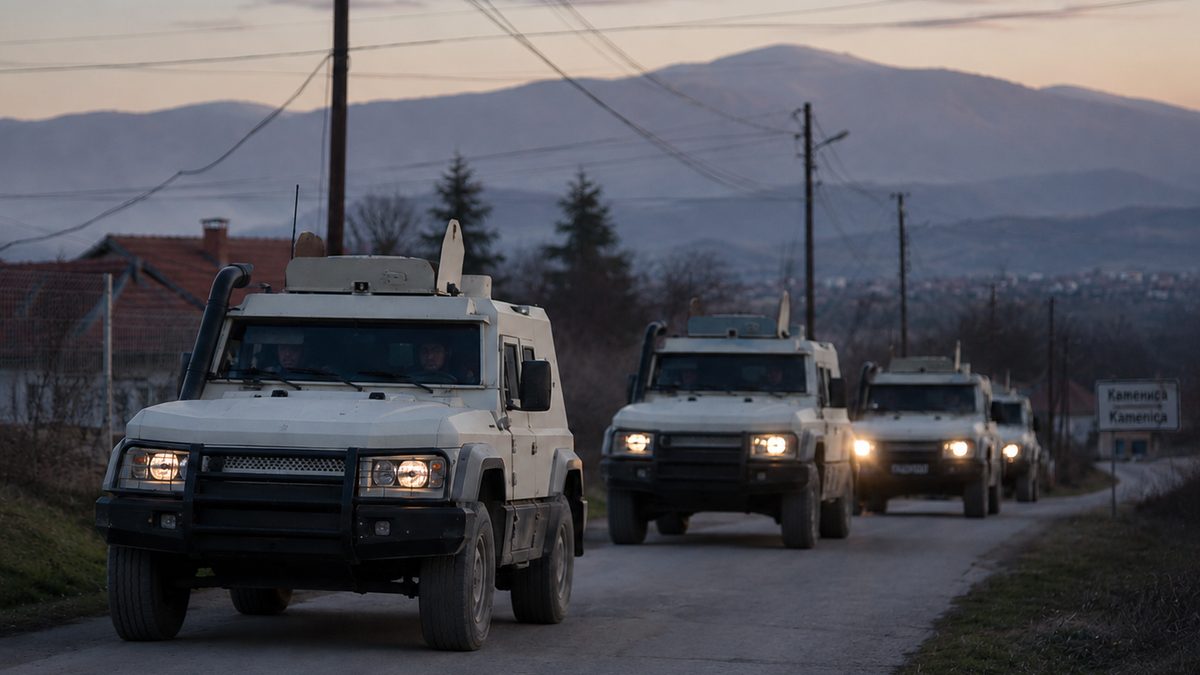
European security planning increasingly includes the systems civilians depend on every day. Editorial illustration by TheDailyGlobe.
Modern security is not only about soldiers, weapons, and borders. It is also about whether hospitals keep running, power grids hold, communications stay online, and civilians know what to do when pressure reaches daily life.
That is the practical meaning behind NATO’s growing focus on resilience as Russia’s war in Ukraine continues to shape European planning. NATO listed a June 1 speech by Deputy Secretary General Radmila Shekerinska to the NATO Parliamentary Assembly in Vilnius, placing alliance preparedness back in public view.
Why Resilience Matters
NATO describes itself as a political and military alliance whose members are committed to protecting each other from threats. In Europe today, that protection is not limited to the battlefield. It also includes the civilian systems that allow countries to function during war, cyberattacks, energy pressure, disinformation, or emergency disruptions.
For readers in the United States, the issue matters because NATO planning affects American allies, military commitments, and shared security costs. If European governments invest more in civil preparedness, infrastructure protection, and emergency planning, that becomes part of the wider alliance response to the war.
Ukraine War Pressure Remains the Backdrop
The EU’s Ukraine support timeline shows that European governments are still backing Kyiv with major assistance. On May 28, the EU approved a seventh Ukraine Facility payment of nearly 2.8 billion euros, underscoring that Europe’s response remains active and expensive.
That support is one side of the story. The other is preparation at home. The war has reminded European governments that security can involve railways, ports, energy systems, public alerts, hospitals, local governments, and digital networks.
What Remains Unclear
The public listing of the NATO speech does not by itself establish specific new measures. It remains unclear whether NATO will announce new resilience steps, how individual member countries would fund them, or how quickly any plans would reach local communities.
The next things to watch are NATO ministerial meetings, national preparedness plans, and whether member governments turn broad resilience language into concrete investments. For now, the message is clear enough: European security planning increasingly includes the civilian systems that keep countries steady under pressure.
Reporting note: Reporting draws on NATO public news materials, European Union policy updates, and reviewed background materials. This article was produced with AI-assisted research and reviewed by an editor before publication.