France's Early Heat Wave Shows Europe's Summer Risks Are Starting Sooner
France is preparing for another major heat event just weeks after an earlier heat wave increased emergency room visits, highlighting the growing challenge of managing heat risks before summer fully arrives.
Save Article

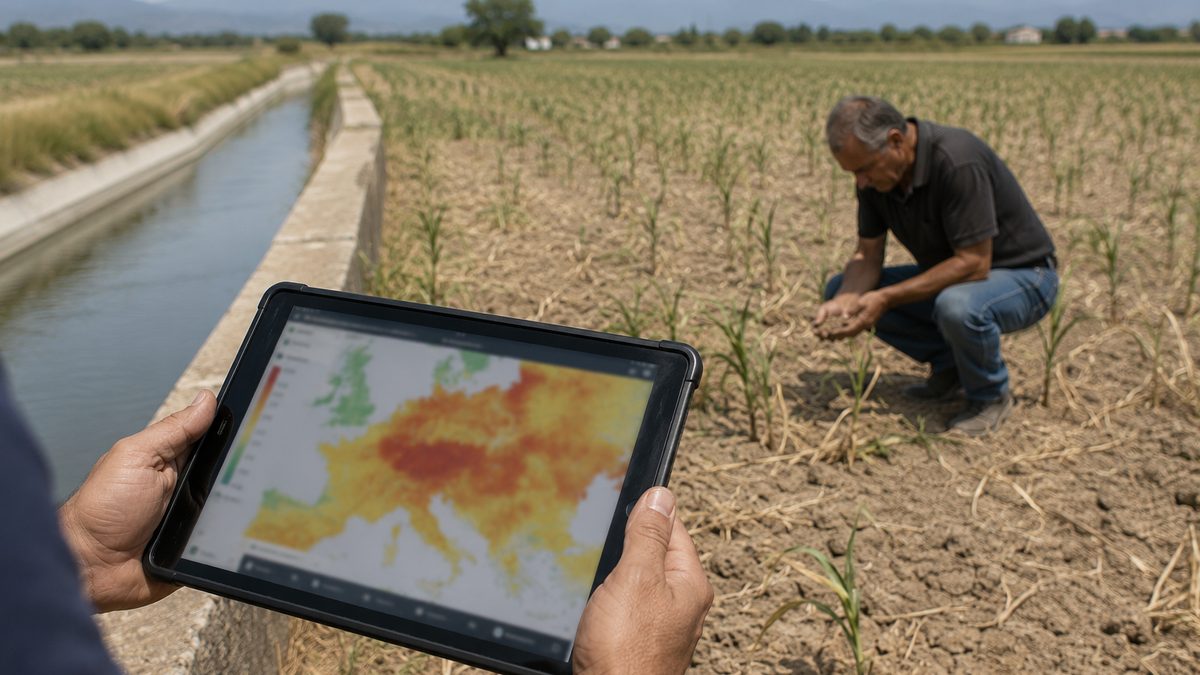
French officials are watching heat risk as early-summer temperatures put pressure on public health systems. Editorial illustration by TheDailyGlobe.
Key Facts
- France is preparing for a new intense and widespread heat event beginning June 13.
- Meteo-France issued current heat vigilance information on June 13.
- Some forecasts reported by French media suggest temperatures could exceed 40 degrees Celsius in certain areas.
- Santé publique France previously reported a sharp increase in emergency room visits during a May 2026 heat wave.
- Officials continue to update alerts as forecasts evolve by region.
Extreme heat is often treated as a midsummer problem. But when unusually hot conditions arrive early, they can catch cities, hospitals, workplaces, and families before seasonal routines and protections are fully in place.
That concern is shaping preparations across France as authorities monitor a new widespread heat event beginning June 13. Weather officials have issued heat vigilance information, while health authorities are watching closely after an earlier heat wave in May was linked to a sharp increase in emergency room visits.
Why Early Heat Creates Different Challenges
Heat affects far more than comfort. It can disrupt sleep, increase health risks for older adults, strain outdoor workers, and place additional pressure on hospitals and emergency services.
Those challenges can become more difficult when intense temperatures arrive earlier than many people expect. Schools, employers, transportation systems, and local governments may still be operating under routines designed for spring rather than peak summer conditions.
France has spent years developing heat-response systems following deadly heat waves in previous decades. Those plans include public alerts, health guidance, and monitoring programs aimed at helping vulnerable populations. The current heat event is providing another test of those systems.
What Officials Are Watching
Meteo-France has issued heat vigilance information as forecasters track conditions across the country. While some reporting suggests temperatures could climb above 40 degrees Celsius in parts of France, those figures remain forecasts and may change as weather conditions develop.
The focus is not only on the highest temperatures. Duration matters as well. Consecutive days of elevated heat can increase stress on the human body, especially when overnight temperatures remain warm and offer little opportunity for recovery.
Local authorities are also watching for impacts on transportation networks, public spaces, and essential services. Even routine activities can become more difficult during prolonged periods of extreme heat.
What the May Heat Wave Revealed
Public-health officials are paying close attention because they already have a recent example of how early heat can affect the country. Santé publique France reported a sharp increase in emergency room visits linked to a heat wave that occurred in May.
That finding does not mean the current event will produce the same outcome. Conditions, duration, and regional impacts may differ. However, the May data helps explain why officials are treating the latest heat alerts as more than a weather story.
Health authorities often pay particular attention to older adults, people with existing medical conditions, outdoor workers, and individuals without reliable access to cooling. Those groups can face higher risks during sustained hot weather.
A Public-Health Issue, Not Just a Weather Story
The broader lesson extends beyond France. Around the world, governments are increasingly treating heat as a public-health planning challenge rather than simply a seasonal weather event.
That does not automatically mean every heat wave should be viewed through the lens of climate change. The available information confirms a significant forecast heat event and documented health impacts from an earlier heat wave, but it does not establish a direct cause for this specific episode. What is clear is that public agencies are increasingly focused on how communities respond when periods of extreme heat arrive.
What Comes Next
Several questions remain unresolved. Forecast temperatures could still change, and officials do not yet know how long the heat event will last in every region. It is also unclear whether hospitals and emergency services will experience impacts similar to those reported during May's heat wave.
Over the coming days, observers will be watching updated Meteo-France alerts, public-health reporting, and local government responses. Whether the heat persists, spreads, or eases will help determine whether this becomes a short-lived weather event or a broader public-health challenge for France's early summer.
Reporting note: Reporting draws on official weather alerts, public-health updates, international reporting, and reviewed background materials. This article was produced with AI-assisted research and reviewed by an editor before publication.