Lebanon Strikes Show How a Ceasefire Can Hold on Paper but Fray in Practice
Reported Israeli strikes in southern Lebanon show how ceasefire arrangements can remain formally active while violence on the ground continues to threaten civilians and regional stability.
Save Article
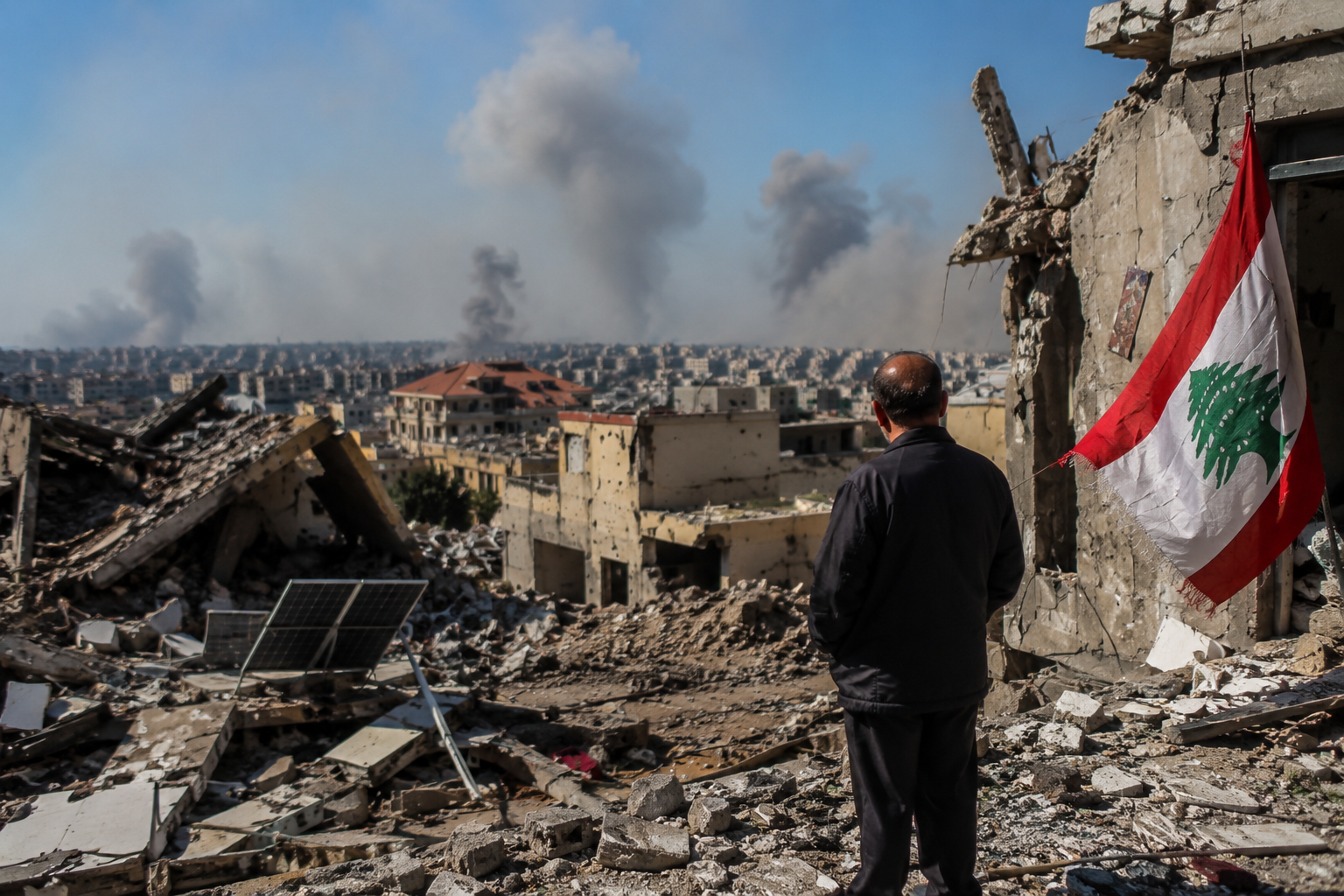
Reported Israeli strikes in southern Lebanon show how ceasefire arrangements can remain formally active while violence on the ground continues to threaten civilians and regional stability. Editorial illustration by TheDailyGlobe.
Key Facts
- Israeli strikes hit southern Lebanon, according to AP reporting citing officials.
- Lebanon's Health Ministry reported civilian deaths, including women and children.
- Cross-border violence has continued despite diplomatic efforts around ceasefire arrangements.
- Israeli military descriptions of targets should be attributed to the Israeli military.
- It remains unclear whether the latest strikes will trigger broader escalation or whether casualty figures will change as local authorities update reports.
Reported Israeli strikes in southern Lebanon killed civilians, including women and children, according to Associated Press reporting citing officials, showing how a ceasefire arrangement can remain formally in place while conditions on the ground continue to fray.
Lebanon's Health Ministry reported civilian deaths after the strikes, according to AP. Israeli military descriptions of targets should be treated as Israel's account, and any Hezbollah statements or claims should be attributed separately unless independently confirmed.
For U.S. readers, the story matters because Lebanon remains one of the places where a local strike can quickly become part of a wider regional crisis. Even when diplomats describe ceasefire arrangements as active, the practical test is whether civilians are safer, border communities are calmer, and armed groups and governments are actually restrained.
What Happened in Southern Lebanon
The latest reported strikes hit southern Lebanon, where border violence has continued despite attempts to keep a ceasefire arrangement from collapsing. AP reported that officials said the strikes killed 19 people, including children and women.
Casualty figures in the immediate aftermath of strikes can change as local authorities update reports, hospitals receive victims, and officials review damage. That is why the figures should be attributed to Lebanon's Health Ministry and other officials rather than stated as final totals.
The Israeli military's account of its targets also needs careful attribution. In conflicts involving Israel, Hezbollah, and Lebanese authorities, the parties often describe the same event in sharply different terms. The available source material supports that strikes occurred and civilians were reported killed. It does not settle every claim about specific targets, intent, or responsibility beyond what each source states.
The Gap Between Ceasefire Language and Daily Reality
Ceasefires are often discussed as if they are a switch: either on or off. In practice, they can be much messier. A ceasefire may remain the official diplomatic framework while violations, retaliatory strikes, disputed targeting claims, and civilian harm continue.
That is the central issue in southern Lebanon. Diplomatic arrangements may still exist, but people living near the border experience the ceasefire through daily safety, the ability to return home, the reopening of schools and businesses, and whether emergency workers can operate without new strikes.
A ceasefire that holds only in diplomatic statements can still reduce the chance of a larger war. But it may not feel like peace to civilians living close to the violence. That difference matters because international officials may judge progress by whether a wider conflict has been avoided, while local families judge it by whether their streets, homes, and roads are safe.
Why Lebanon Remains a Flashpoint
Lebanon's southern border is tied to the wider conflict involving Israel and Hezbollah. Violence there can draw in governments, armed groups, mediators, and humanitarian agencies, especially when civilian casualties are reported.
The risk is not only the immediate damage from one strike. It is the possibility that repeated incidents make the ceasefire harder to enforce, weaken trust in mediators, and give each side new reasons to claim the other is violating the arrangement.
That does not mean broader escalation is certain. The source material does not support that conclusion. It means the conditions that could produce escalation remain present: disputed targeting, civilian deaths, armed groups near the border, and questions about whether monitors or mediators can enforce compliance.
Humanitarian Concerns Stay at the Center
UN humanitarian materials continue to track civilian-protection concerns across conflict zones, including Lebanon-related issues. In southern Lebanon, humanitarian concern is not separate from ceasefire enforcement. It is one of the main ways the world can judge whether diplomacy is working.
When strikes damage homes, roads, medical access, or basic services, the consequences can last beyond the day of the attack. Families may be displaced or afraid to return. Local services may become harder to provide. Emergency workers may have to operate in uncertain conditions.
Those are practical realities, not abstract diplomatic language. They are also why casualty numbers, access reports, and civilian-protection updates matter. They help show whether a ceasefire is improving life on the ground or simply containing the conflict enough to avoid a larger regional break.
What Remains Unclear
Several major questions remain unanswered. It is unclear whether the latest strikes will trigger a broader response. It is also unclear whether ceasefire monitors or mediators can enforce compliance in a way that both sides accept.
Casualty figures may also change as local authorities update reports. Readers should treat early numbers carefully and look for attributed updates from official health authorities, humanitarian agencies, or reliable reporting.
The larger issue is whether the ceasefire can become more than a diplomatic label. For now, the reported strikes show a familiar problem in conflicts: a ceasefire can remain alive on paper while the conditions needed to make it durable are still missing on the ground.
Reporting note: Reporting draws on Associated Press reporting, Lebanon Health Ministry figures cited in reporting, UN humanitarian materials, regional context, and reviewed background materials. This article was produced with AI-assisted research and reviewed by an editor before publication.