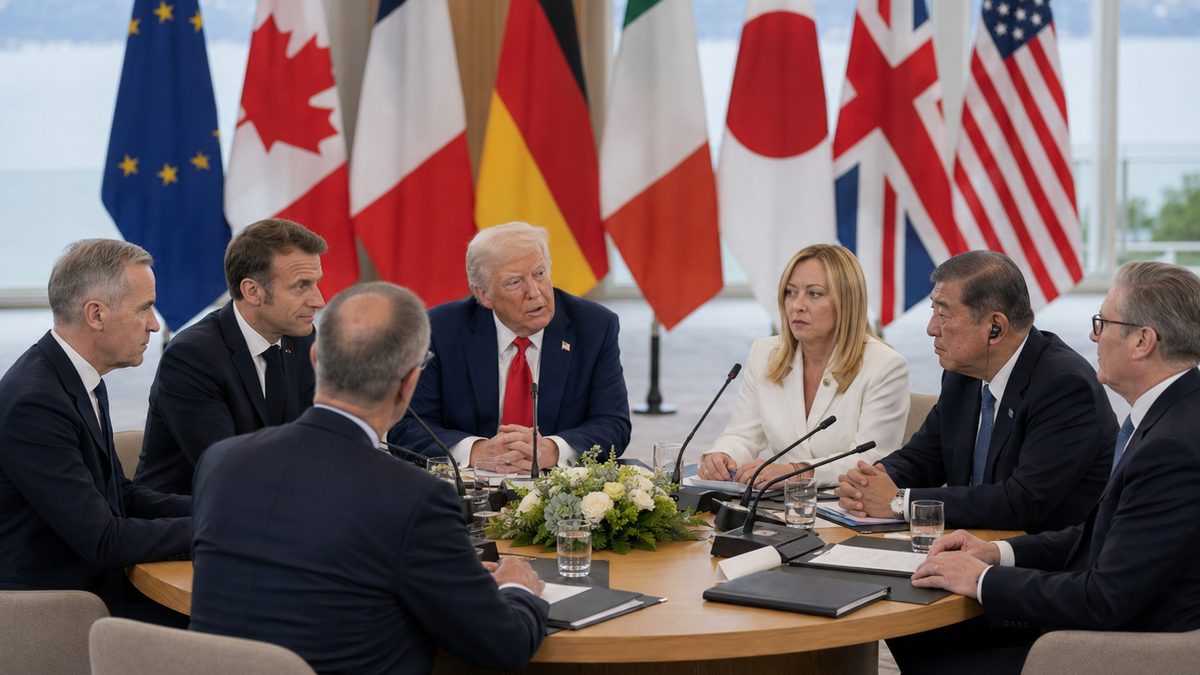
Lebanon Ceasefire Plan Faces Immediate Test After Hezbollah Rejection
A U.S.-brokered ceasefire plan between Israel and Lebanon is already under strain after Hezbollah rejected the terms and fighting continued.
Save Article
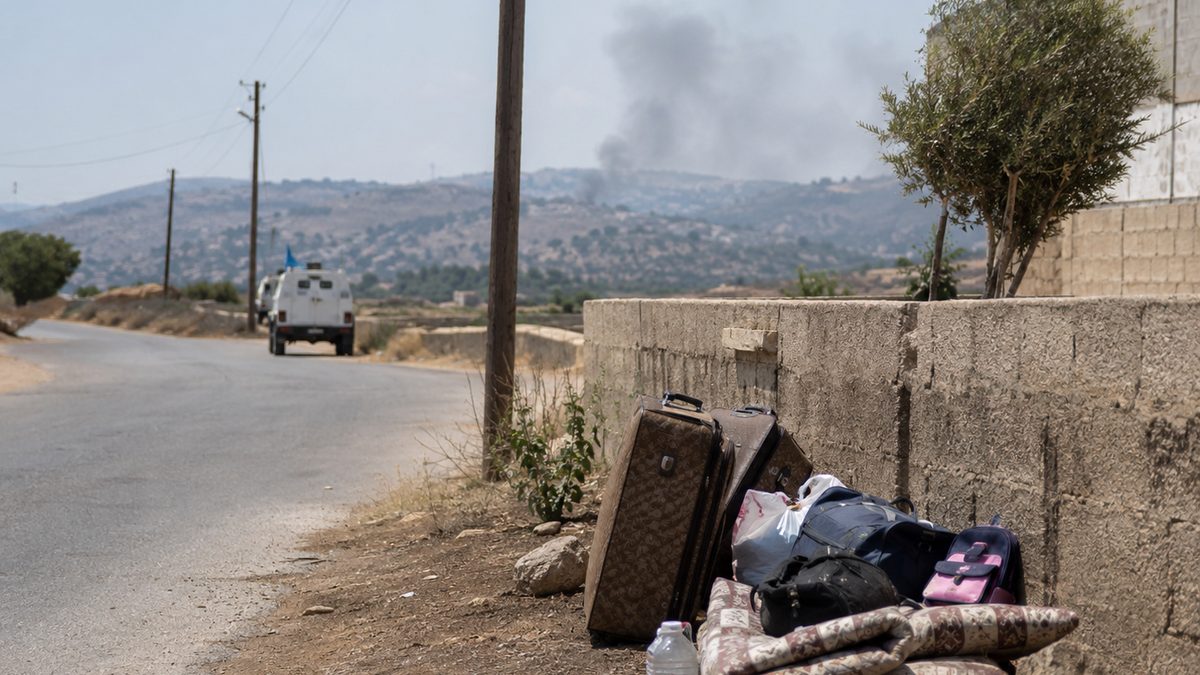
Ceasefire announcements can leave civilians waiting to see whether the fighting actually stops. Editorial illustration by TheDailyGlobe.
Key Facts
- AP reported that Hezbollah rejected the latest U.S.-brokered ceasefire agreement between Israel and Lebanon.
- AP reported that the agreement included proposed security zones in southern Lebanon where Hezbollah would be banned.
- AP reported that a Serbian UNIFIL peacekeeper was killed and two others were wounded when a mortar shell struck their location.
- Hezbollah's rejection and demand for Israeli withdrawal should be attributed to the group.
- It remains unclear whether the Lebanese army can take control of the proposed security zones.
For civilians near the Israel-Lebanon border, a ceasefire announcement is only the beginning of the question. The real test is whether the shooting stops, whether armed groups accept the terms, and whether anyone can enforce the lines drawn on paper.
That test came quickly after a U.S.-brokered ceasefire agreement between Israel and Lebanon. The Associated Press reported Thursday that Hezbollah rejected the latest agreement, even as fighting continued and peacekeepers remained exposed to danger in southern Lebanon.
The rejection leaves the agreement in a fragile position. Israel and Lebanon may have accepted a diplomatic framework, but Hezbollah is a central armed actor in southern Lebanon. Without its compliance, the gap between a formal ceasefire and actual calm on the ground remains wide.
Why the Announcement Is Not Enough
Ceasefires often sound simpler from a distance than they are on the ground. A government can agree to terms. A mediator can announce progress. But in southern Lebanon, the practical question is who has control of the territory, who is armed there, and whether the parties with weapons will follow the arrangement.
The reported plan included proposed security zones in southern Lebanon where Hezbollah would be banned. That kind of term goes to the center of the conflict because it is not just about pausing attacks. It is about changing who can operate in areas near the border.
Hezbollah rejected the agreement and demanded Israeli withdrawal, according to AP. That position should be understood as Hezbollah's stated position, not as an independent finding about the terms. Israel's statements about its operations and any casualty details also require careful attribution in a conflict where each side has reasons to shape the public account.
The Enforcement Problem
The hardest part of the plan may be enforcement. If Hezbollah is barred from certain zones, someone has to control those areas. The proposal points toward a larger role for the Lebanese army, but it remains unclear whether the army can take control of the proposed zones and keep them that way.
That question matters because a ceasefire that depends on a security arrangement cannot work only as a promise. It has to be visible in roadblocks, patrols, withdrawals, weapons limits and day-to-day control. If those details are not settled, civilians may hear the word ceasefire while still living with the risk of strikes, shelling and sudden movement by armed forces.
The death of a Serbian UNIFIL peacekeeper, with two others wounded after a mortar shell struck their location, shows how dangerous the environment remains for the people assigned to monitor and stabilize the area. Peacekeepers can help observe conditions, but they cannot make a ceasefire real by themselves if armed parties continue to fight.
Why This Matters to U.S. Diplomacy
The U.S. role in brokering the agreement makes this more than a regional development. For Washington, the agreement is a test of whether diplomacy can create enough room to reduce fighting on a border tied to wider Middle East tensions.
For U.S. readers, the effects are indirect but real. Continued fighting can draw more diplomatic attention, raise risks for U.S. policy in the region, affect regional stability and add uncertainty around energy markets. It also affects how much influence the United States appears to have when it backs an agreement that key armed actors do not accept.
None of that means the ceasefire is automatically dead. It does mean the public announcement is not the same thing as implementation. The agreement now has to survive the first practical questions: whether Hezbollah changes its position, whether Israel limits operations under the deal, and whether Lebanon can put security forces where the agreement says they need to be.
What Remains Unclear
Several basic questions remain unresolved. It is not clear whether Hezbollah will comply with any ceasefire terms. It is not clear whether the Lebanese army can take control of the proposed security zones. It is not clear whether Israel will limit military operations under the agreement or how violations would be handled.
The uncertainty is not a side issue. It is the issue. A ceasefire in this setting depends on more than a document. It depends on armed groups, national armies, mediators and peacekeepers all moving from announcement to behavior that civilians can actually see.
What to Watch Next
The next signs to watch are concrete ones: whether the Lebanese army deploys into the proposed zones, whether Hezbollah repeats or changes its rejection, whether Israel describes limits on its operations, and whether UNIFIL reports further attacks or movement near peacekeeping positions.
For now, the clearest conclusion is also the most cautious one. The ceasefire plan exists, but the fighting and Hezbollah's rejection show why a diplomatic agreement is not enough by itself. The people closest to the border will know it is working only when the danger around them actually begins to fall.
Reporting note: Reporting draws on Associated Press reporting, international live updates, official conflict statements, United Nations peacekeeping context, and reviewed background materials. This article was produced with AI-assisted research and reviewed by an editor before publication.