Lebanon Aid Appeal Shows How Regional Fighting Reaches Families First
A new U.N. appeal puts Lebanon’s growing needs in practical terms: food, shelter, clean water, health care, schools and protection for families caught in a widening crisis.
Save Article
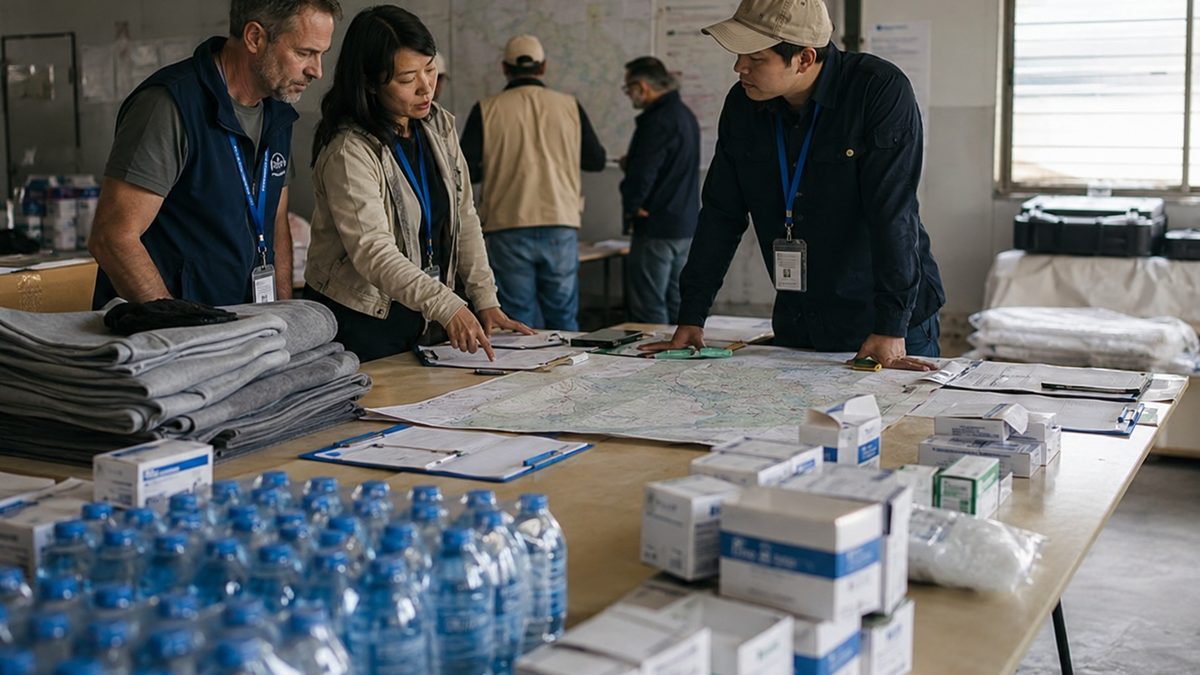
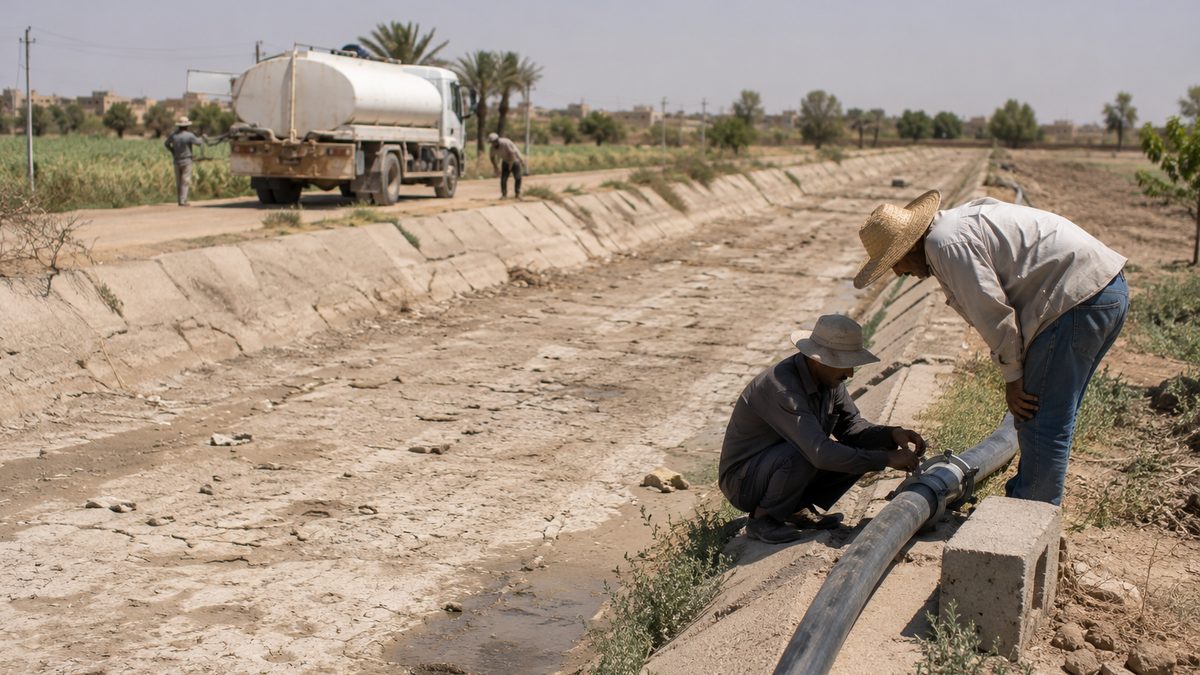
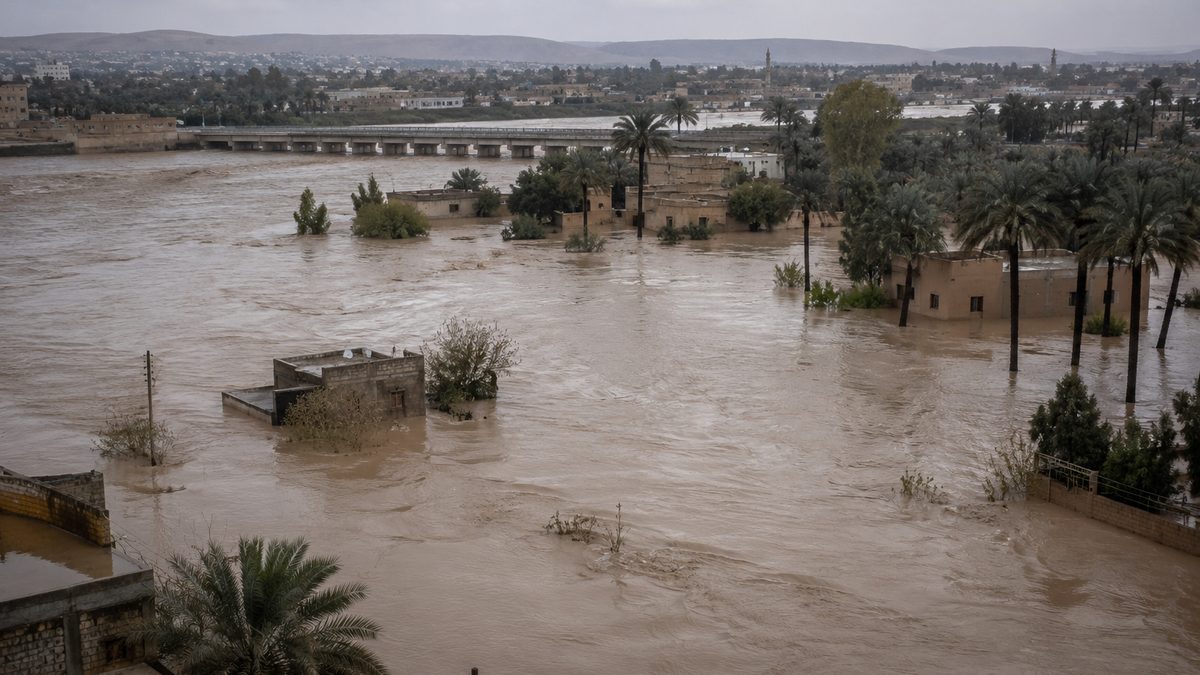
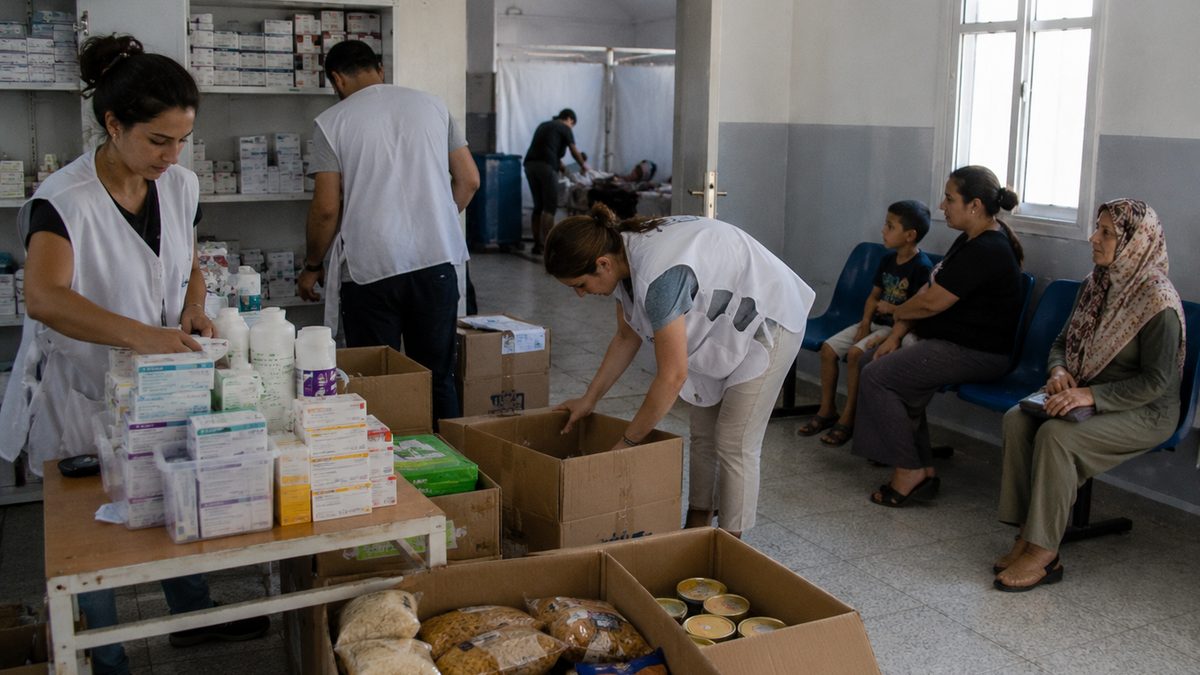
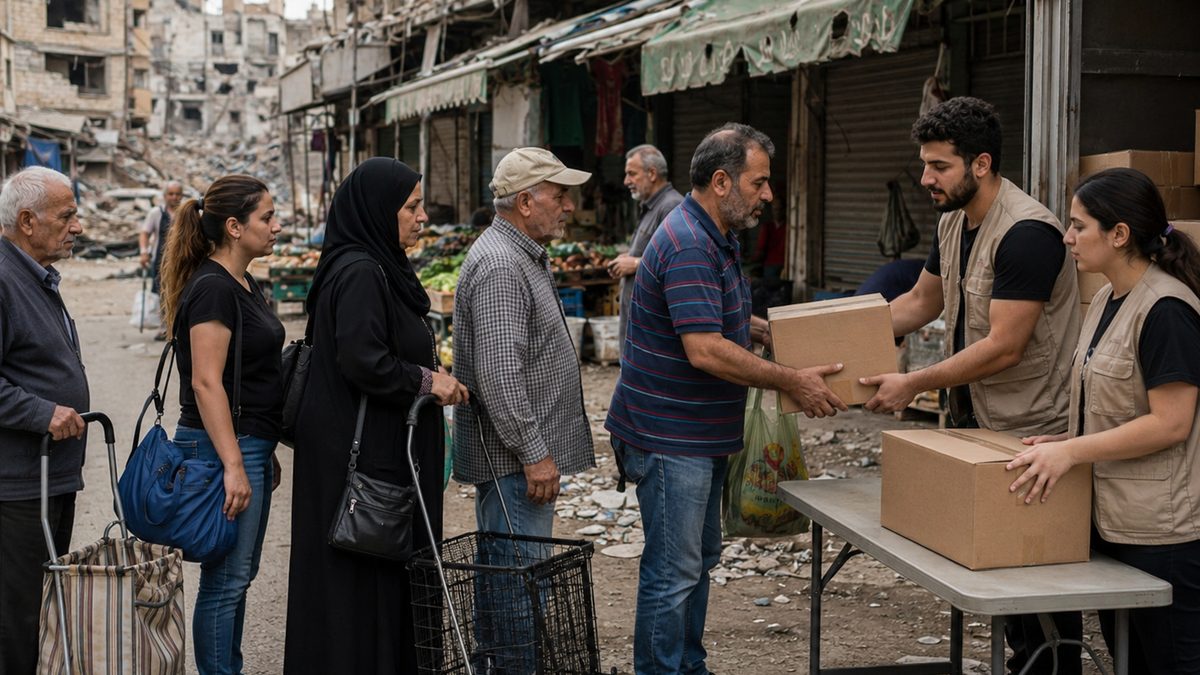
Humanitarian appeals show how conflict reaches families through shelter, food, water and health care. Editorial illustration by TheDailyGlobe.
Key Facts
- The United Nations reported on June 5 that humanitarian needs in Lebanon continue to grow.
- OCHA’s Lebanon Flash Appeal 2026 lists $308.3 million in requirements.
- The appeal targets 1 million people for humanitarian support.
- UNICEF’s Lebanon appeal points to risks involving displacement, water, education, health, nutrition and child protection.
For families in Lebanon, regional fighting is not only a question of borders, diplomacy or military movements. It can mean a lost home, a school year interrupted, a clinic under pressure, or a daily search for clean water and basic supplies.
That is the human reality behind a new United Nations update issued June 5, which reported that humanitarian needs in Lebanon continue to grow as the U.N. and aid agencies seek more money to support people affected by the crisis.
The appeal matters because it turns a complicated regional story into something more concrete. Behind the headlines are families needing shelter, children needing protection, communities trying to keep water and health systems running, and aid groups trying to reach people while conditions remain unstable.
What The Appeal Is Asking For
OCHA’s Lebanon Flash Appeal 2026 lists $308.3 million in requirements and says the response is aimed at 1 million people. That does not mean the crisis is solved if the appeal is fully funded. It means aid agencies have identified a set of urgent needs and a target population they are trying to reach.
The appeal is part of a broader humanitarian response tied to Lebanon’s instability and the effects of regional fighting. U.N. agencies are framing the situation around practical needs: food, water, shelter, health care, education, nutrition and protection for children and families.
UNICEF’s Lebanon appeal describes risks that go beyond immediate emergency relief. Displacement can push children out of school. Water problems can become health problems. Families who lose income or housing can face new pressure around nutrition, medical care and safety. Those are the kinds of daily disruptions that often last long after a burst of fighting fades from international attention.
Why Lebanon’s Crisis Matters Beyond The Battlefield
Lebanon sits inside a region where conflict, diplomacy and humanitarian pressure are tightly connected. For U.S. readers, the issue is not that every development in Lebanon has a direct effect at home. It is that Lebanon’s instability is part of a wider Middle East picture watched closely by governments, aid groups and communities with ties to the region.
Humanitarian appeals are also a way to understand what conflict does to civilian life. They show where pressure is building: schools, hospitals, water systems, shelters and local services. Those systems can be strained even when fighting is limited or uneven, especially when families are displaced or aid access becomes harder.
That is why the funding number matters. A $308.3 million appeal is not just a budget line. It is a measure of what aid agencies say they need to keep basic support moving for people already under pressure.
What Remains Unclear
Several important questions remain unsettled. It is not yet clear whether donors will close the funding gap quickly enough to meet the needs identified by the U.N. appeal. It is also unclear whether aid groups will have reliable access if fighting continues or expands.
The scale of future displacement is another open question. If regional fighting worsens, more families may need help. If diplomacy or ceasefire efforts hold, aid groups may have a better chance of reaching people and stabilizing services. The public record available now supports caution, not certainty.
Responsibility for specific attacks, casualty counts and displacement figures should be handled carefully and attributed to the agency or official source reporting them. In a conflict-linked humanitarian crisis, loose wording can quickly turn uncertainty into a claim the evidence does not support.
What To Watch Next
The next test is whether donor response matches the size of the appeal. Humanitarian agencies can identify needs and plan a response, but funding determines how much help can actually be delivered.
Aid access is just as important. Money matters less if supplies, medical support and protection services cannot reliably reach the communities that need them. That makes security conditions, border-area fighting and any diplomatic movement worth watching in the days and weeks ahead.
For now, the U.N. appeal offers a clear reminder of how regional conflict reaches ordinary people first. Long before diplomacy produces a result, families have to find water, shelter, medicine, school stability and a safe place to sleep.
Reporting note: Reporting draws on United Nations updates, OCHA humanitarian appeal data, UNICEF appeal materials, and reviewed background materials. This article was produced with AI-assisted research and reviewed by an editor before publication.