Japan and South Korea Keep Diplomatic Momentum Despite Old Frictions and New Security Pressures
The latest Lee-Takaichi meeting shows Japan and South Korea are still trying to deepen cooperation while North Korea, supply chains, energy risks and unresolved history remain in the background.
Save Article
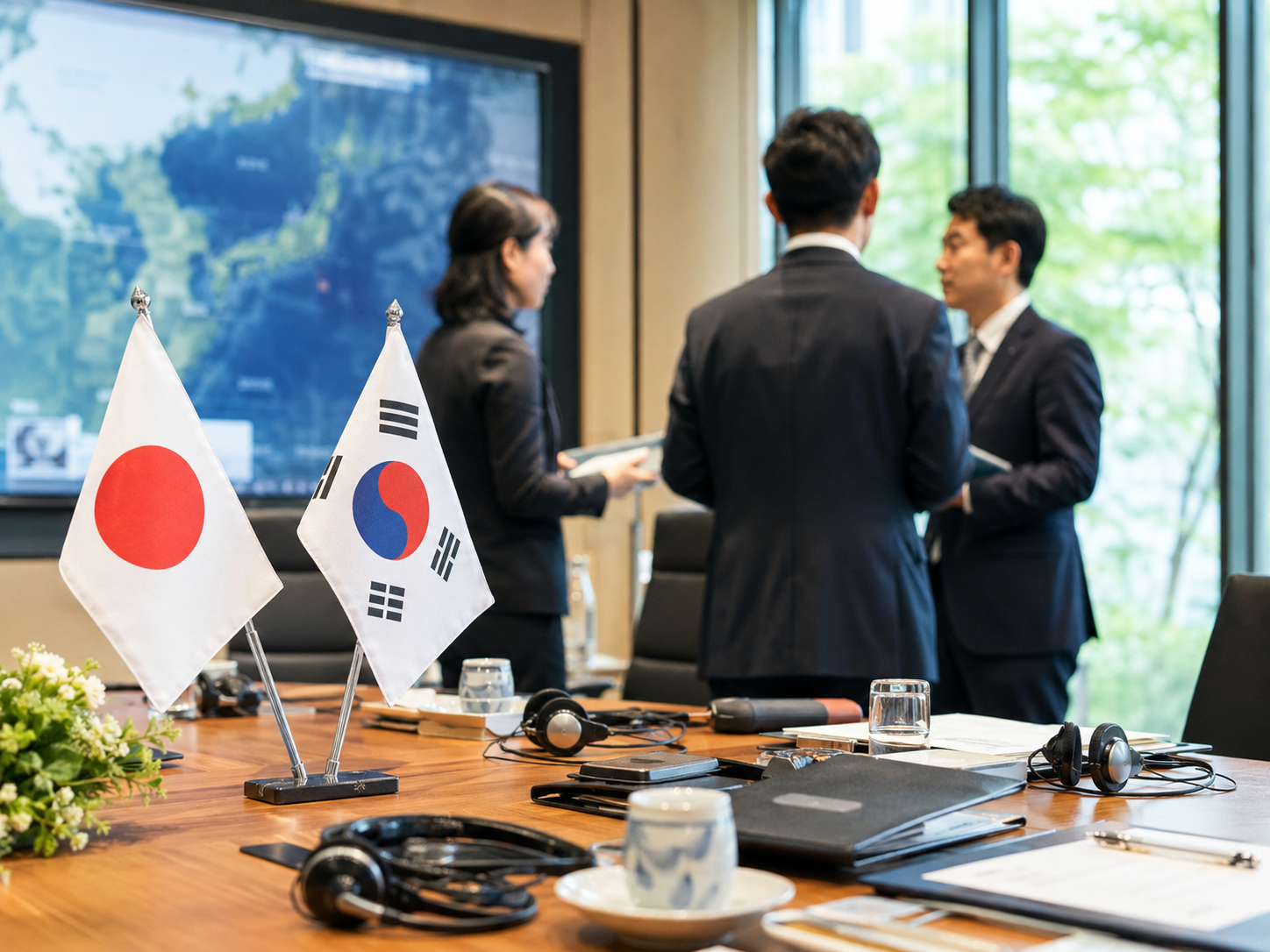
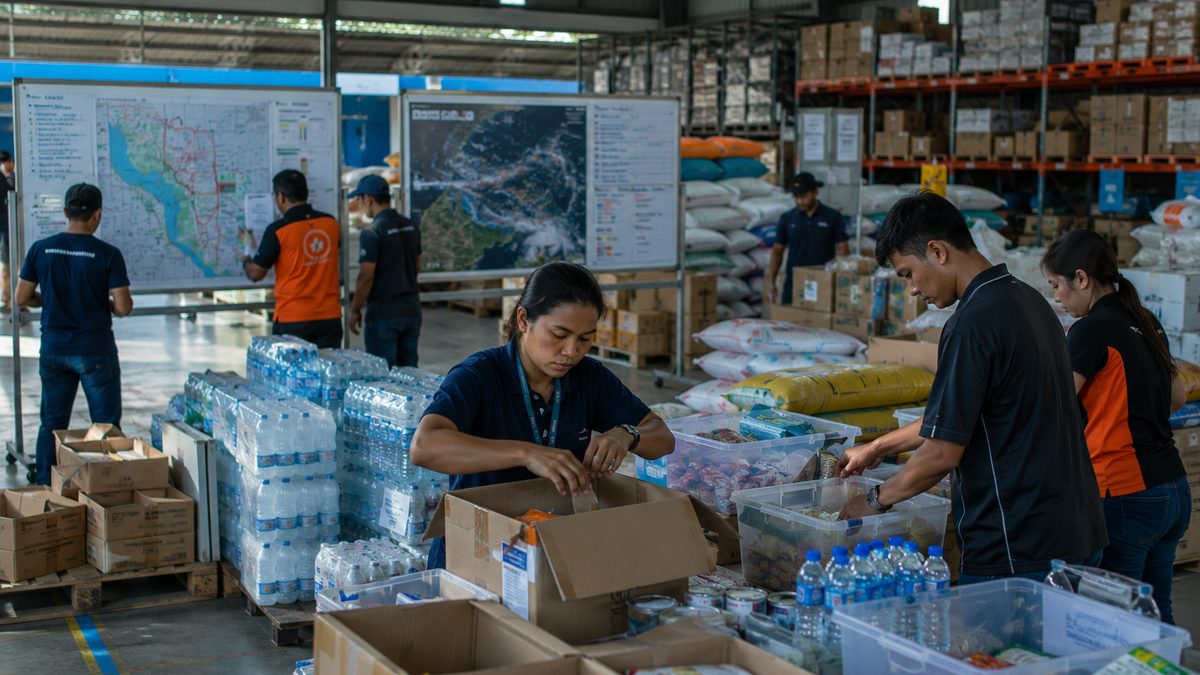
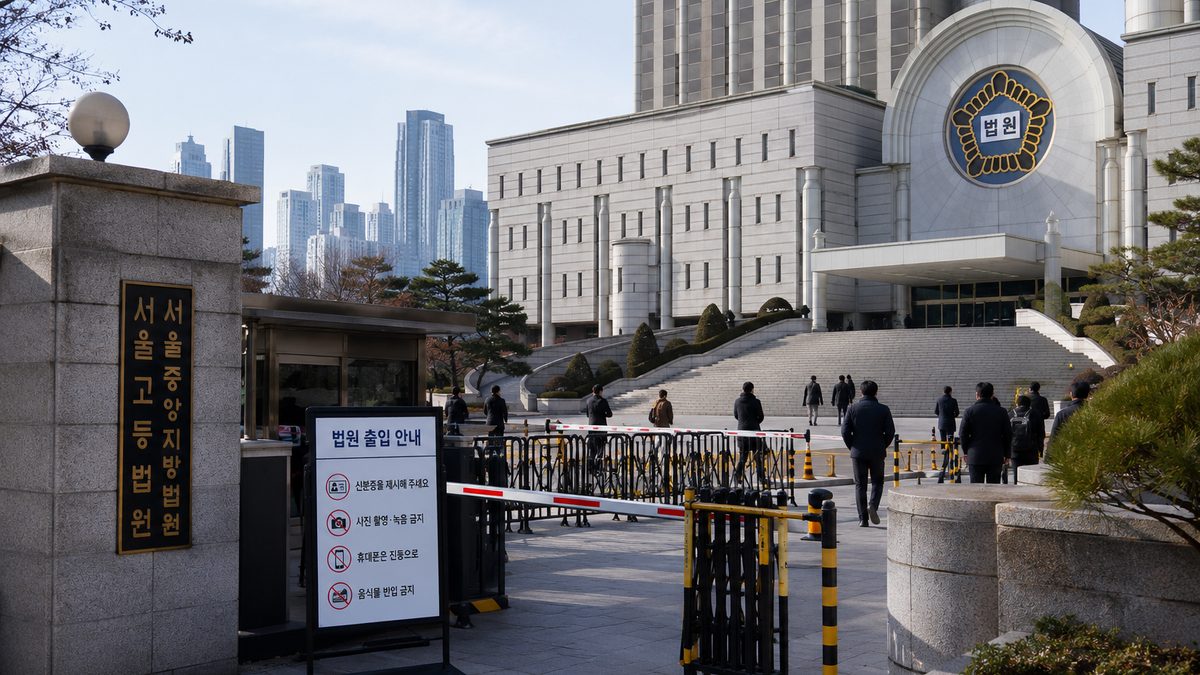
The latest Lee-Takaichi meeting shows Japan and South Korea are still trying to deepen cooperation while North Korea, supply chains, energy risks and unresolved history remain in the background. Editorial illustration by TheDailyGlobe.
Key Facts
- AP reported South Korean President Lee Jae Myung and Japanese Prime Minister Sanae Takaichi held their fourth meeting in six months.
- Japan’s Ministry of Foreign Affairs said Takaichi held a summit meeting with Lee in Andong, South Korea, on May 19.
- Japan’s Ministry of Foreign Affairs said the small-group and plenary meetings together lasted about 100 minutes.
- AP reported the leaders discussed cooperation amid global crises, supply chain instability and energy market disruptions.
- Japan’s MOFA materials show Japan-ROK and Japan-U.S.-ROK contacts have continued across recent months.
Japan and South Korea are keeping diplomatic momentum alive, even as old disputes and new security pressures continue to test the relationship.
AP reported that South Korean President Lee Jae Myung and Japanese Prime Minister Sanae Takaichi held their fourth meeting in six months. Japan’s Ministry of Foreign Affairs said Takaichi met Lee in Andong, South Korea, on May 19.
For readers, this is a quiet but important Asia-Pacific story. Japan and South Korea are both key U.S. partners. When they cooperate, it can affect North Korea deterrence, supply chains, energy planning and the broader balance of security in the region.
Why the Meeting Matters
A fourth meeting in six months does not erase the difficult history between Japan and South Korea. It does show that both governments are still choosing regular contact at a time when the region has little room for drift.
North Korea remains one of the clearest reasons for coordination. Missile activity, military planning and regional deterrence all become harder when Seoul and Tokyo are distant from each other. The United States also has a direct interest because its regional strategy depends heavily on cooperation with both countries.
That does not make Japan and South Korea the same kind of partner in every issue, and it does not mean their interests always line up. But regular summits give both sides a way to manage problems before they become larger breaks.
Supply Chains and Energy Are Part of the Agenda
AP reported that the leaders discussed cooperation amid global crises, supply chain instability and energy market disruptions. Those issues matter because both countries are major advanced economies with deep exposure to global trade.
Supply chain problems can affect everything from cars and electronics to industrial production and consumer goods. Energy disruptions can raise costs for households and businesses, especially in countries that depend heavily on imported energy.
That gives the relationship a practical side beyond security. Better communication between Seoul and Tokyo can help both governments respond to shocks, coordinate with Washington and avoid unnecessary friction when markets are already under pressure.
History Still Has Not Gone Away
The progress should be described carefully. Historical disputes over forced labor and wartime sexual slavery remain politically sensitive in both countries. A series of meetings does not mean those issues are resolved.
That is why claims of a permanent diplomatic thaw would go too far. Japan and South Korea can cooperate more closely while still carrying unresolved disputes that may return to the front of domestic politics.
The relationship has often moved in cycles. Security and economic pressure can push the two governments together. Domestic politics and historical grievances can pull them apart. The current moment shows cooperation, but not a guarantee that it will hold without strain.
What Remains Unclear
It remains unclear how far Japan and South Korea will go on energy, security and U.S.-aligned coordination. Official materials show continued contact, but they do not settle how deep future cooperation will become.
It is also unclear whether domestic political pressure in either country could slow the current momentum. Historical disputes have not disappeared, and leaders in both countries may face pressure from voters, lawmakers or interest groups if sensitive issues return.
For now, the clearest takeaway is that Japan and South Korea are still investing in regular diplomacy. In a region shaped by North Korea, China, supply chains, energy risk and U.S. strategy, that steady contact matters even when the relationship remains complicated.
Reporting note: Reporting draws on AP reporting, Japan Ministry of Foreign Affairs materials, official summit materials, regional diplomatic records, and reviewed Asia-Pacific context. This article was produced with AI-assisted research and reviewed by an editor before publication.