Israel Strike Near Beirut Adds Strain Before Washington Talks
An Israeli strike near Beirut came ahead of Washington talks involving Israel and Lebanon, adding pressure to a strained ceasefire and civilians already facing displacement.
Save Article
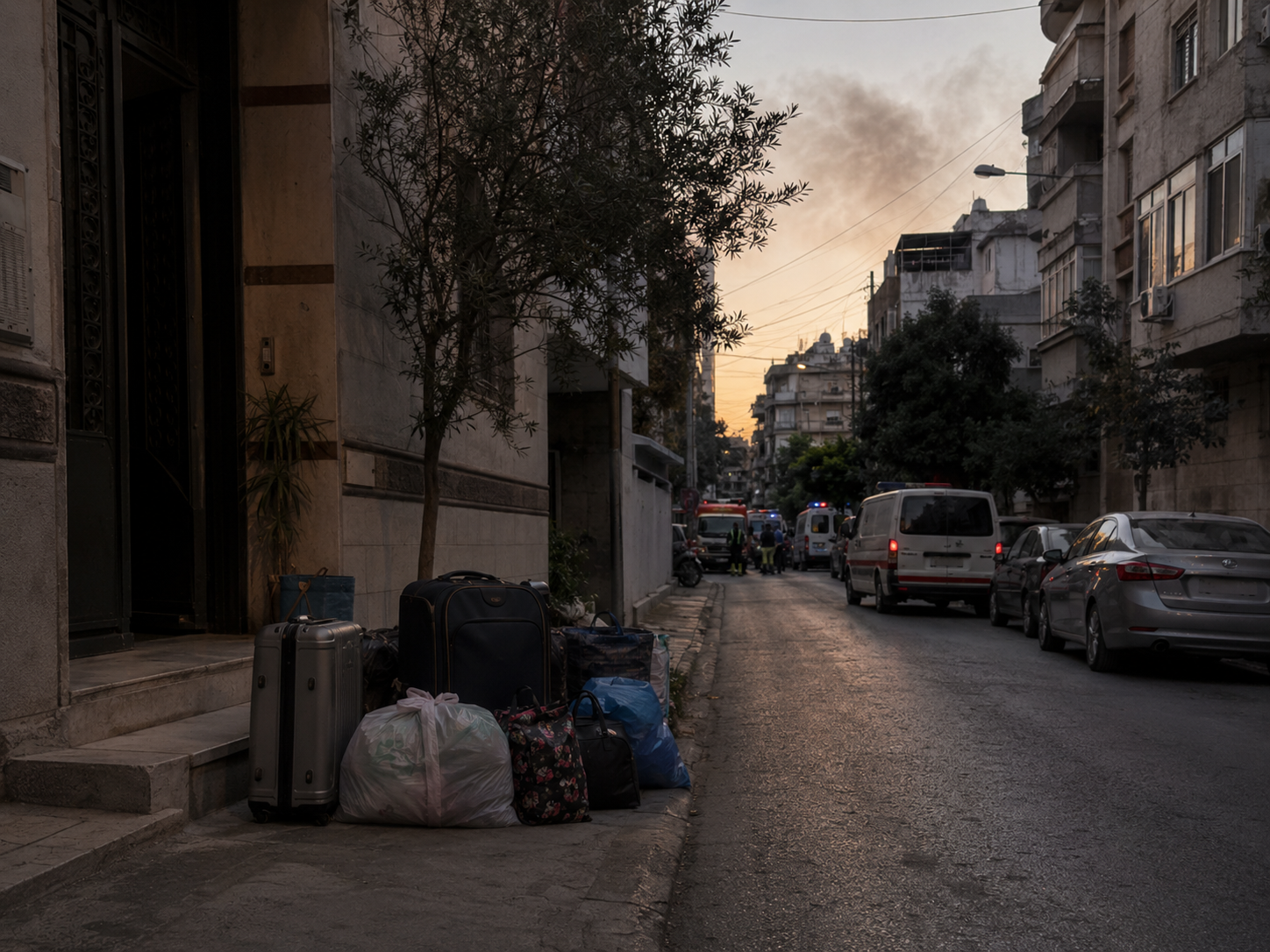
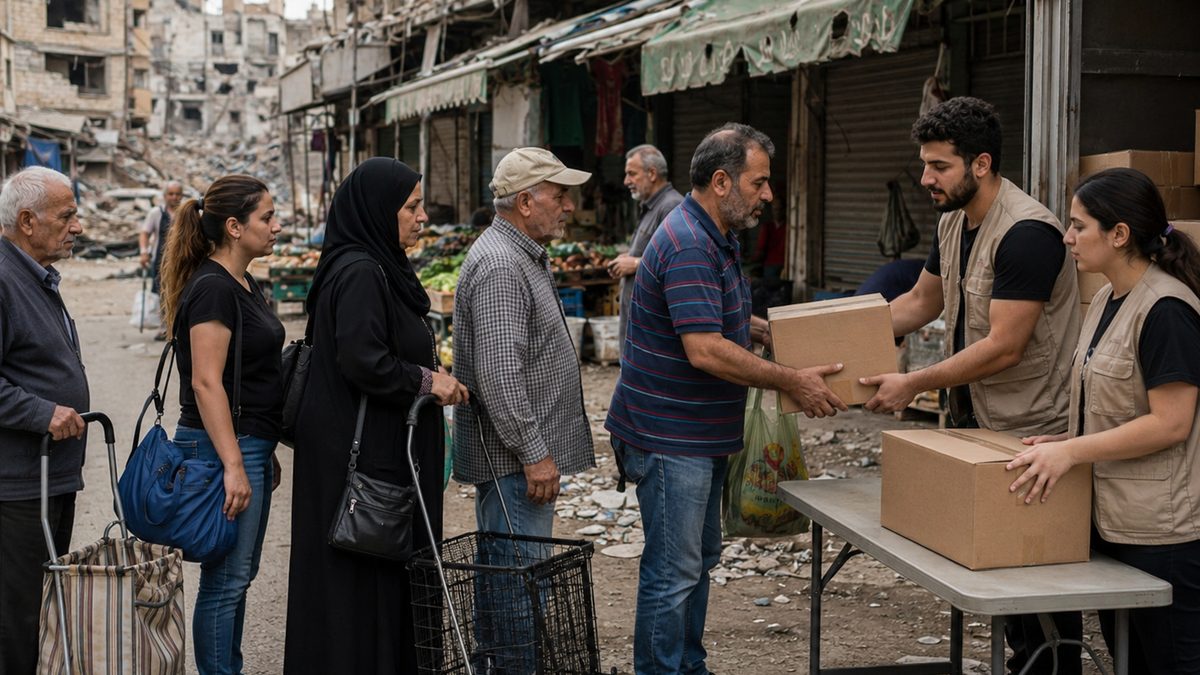
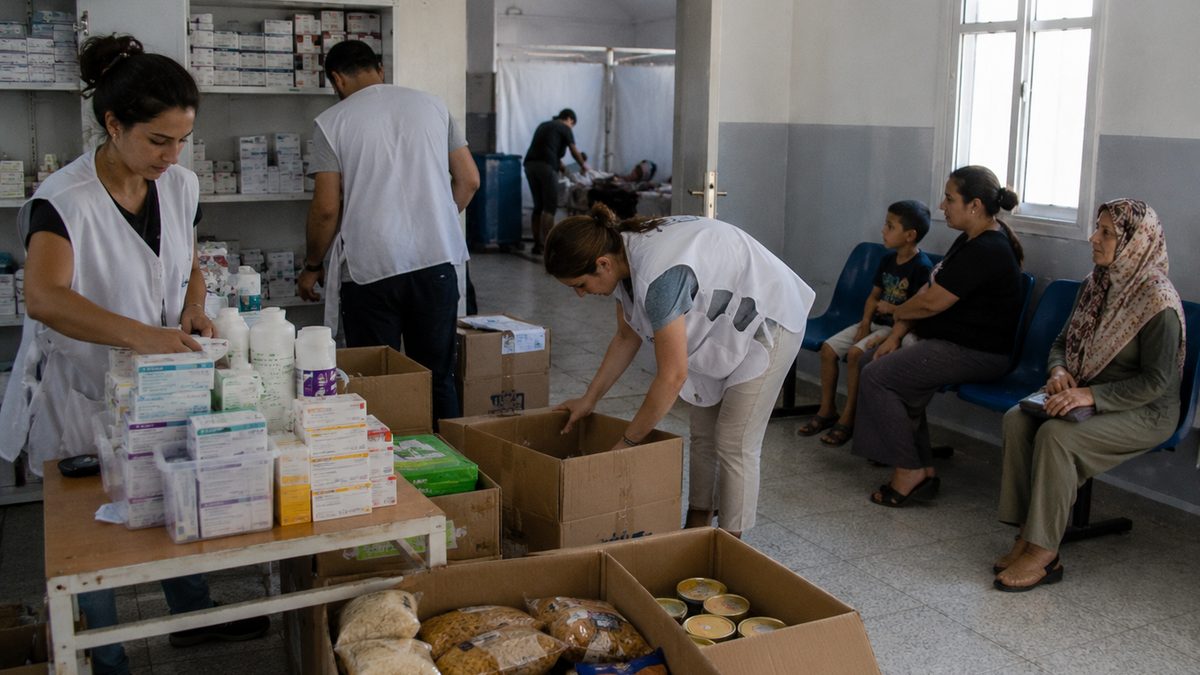
In Lebanon, renewed strikes have left families weighing safety while diplomats look for a way to keep talks alive. Editorial illustration by TheDailyGlobe.
Key Facts
- Israel carried out an airstrike near Beirut's southern suburb of Choueifat on May 28.
- The strike came ahead of Washington talks involving Israel and Lebanon.
- OCHA reported displacement and shelter pressure in Lebanon amid intensified strikes.
- The Lebanese Red Cross has reported emergency response work across affected areas.
- The intended target of the strike near Beirut has not been independently confirmed.
For families in Lebanon, the question after another strike is not only what happened in the sky. It is whether it is safe to stay home, whether roads remain passable, whether shelters have room and whether the next round of diplomacy can slow the fighting before more people are forced to move.
That uncertainty deepened on May 28, when Israel carried out an airstrike near Beirut's southern suburb of Choueifat ahead of Washington talks involving Israel and Lebanon. The strike added new pressure to a conflict already testing a fragile ceasefire, humanitarian responders and U.S.-linked diplomatic efforts.
What Happened Near Beirut
Associated Press reporting confirmed the Israeli strike near Choueifat, south of Beirut, and placed it in the context of planned talks in Washington involving Israel and Lebanon. The timing matters because any military action near Lebanon's capital can make already difficult negotiations more fragile.
Israeli officials have framed some strikes in Lebanon as aimed at Hezbollah targets. Those claims should be attributed to Israel unless independently confirmed. Hezbollah military claims, Lebanese official accounts and casualty figures also require careful attribution because each side in the conflict has its own interests and incomplete information can spread quickly after an attack.
What is confirmed is narrower but serious: Israel struck near Beirut, the strike came before diplomatic talks, and humanitarian agencies have been reporting pressure on civilians in Lebanon as fighting intensifies.
Why The Timing Matters
The strike landed at a sensitive moment. Washington talks involving Israel and Lebanon were already carrying the weight of ceasefire concerns, border security questions and the basic challenge of stopping a cycle in which military action and political talks pull against each other.
A strike near Beirut does not by itself show what will happen in the talks. It does, however, put pressure on the atmosphere around them. Diplomacy is harder when civilians are moving, responders are stretched and each side is watching for signs that the other is preparing to escalate rather than de-escalate.
For U.S. readers, the story matters because Washington remains tied to efforts to manage conflict between Israel, Lebanon and Hezbollah. The United States is not just watching from the outside. Its diplomacy, military relationships and regional policy are part of the environment in which these talks take place.
The Civilian Pressure In Lebanon
The humanitarian picture is central to the story. The United Nations Office for the Coordination of Humanitarian Affairs reported displacement and shelter pressure in Lebanon amid intensified strikes. That means the effects are not limited to military sites or government statements. They reach families deciding where to sleep, aid groups trying to respond and local communities absorbing people who have left more dangerous areas.
The Lebanese Red Cross has also reported emergency response work across affected areas. In conflict zones, that work can include ambulance response, first aid, transport and support for communities under pressure. The details of any single incident should not be assumed beyond what responders and reliable reporting have confirmed.
The civilian strain also explains why ceasefire pressure matters. A ceasefire is not only a diplomatic phrase. For people living near areas hit by strikes, it can determine whether they return home, keep children in school, reopen shops or continue moving from one temporary place to another.
What Remains Unclear
Several important details remain unsettled. The intended target of the strike near Beirut has not been independently confirmed. Any Israeli statement about the target should be treated as Israel's account unless supported by separate verification.
It is also unclear whether the Washington talks will continue as planned, whether they will produce concrete steps or whether the latest strike will harden positions before negotiators meet. Public reporting does not show that the talks have already resolved the main questions around the ceasefire.
The larger uncertainty is whether the ceasefire can withstand more attacks. One strike does not answer that question. But repeated military action, displacement and competing claims from Israel, Lebanon and Hezbollah all make the path toward stability harder to read.
What To Watch Next
The next developments to watch are concrete: whether the Washington talks proceed, whether either side announces steps tied to the ceasefire, whether evacuation orders or displacement figures change, and whether humanitarian groups report new access problems.
Further strikes would also matter, especially if they occur near Beirut or other populated areas. For now, the confirmed picture is that Israel struck near Beirut before talks tied to Lebanon's security future, while civilians and emergency responders continue to bear much of the risk when diplomacy and military action move at the same time.
Reporting note: Reporting draws on wire reporting, United Nations humanitarian updates, Lebanese Red Cross response information, and reviewed regional conflict context. This article was produced with AI-assisted research and reviewed by an editor before publication.