Israel-Lebanon Ceasefire Renewal Leaves Civilians Waiting for Real Calm
Israel and Lebanon agreed to renew a fragile ceasefire and discuss Hezbollah-free security zones, but humanitarian reports show conditions remain unstable.
Save Article
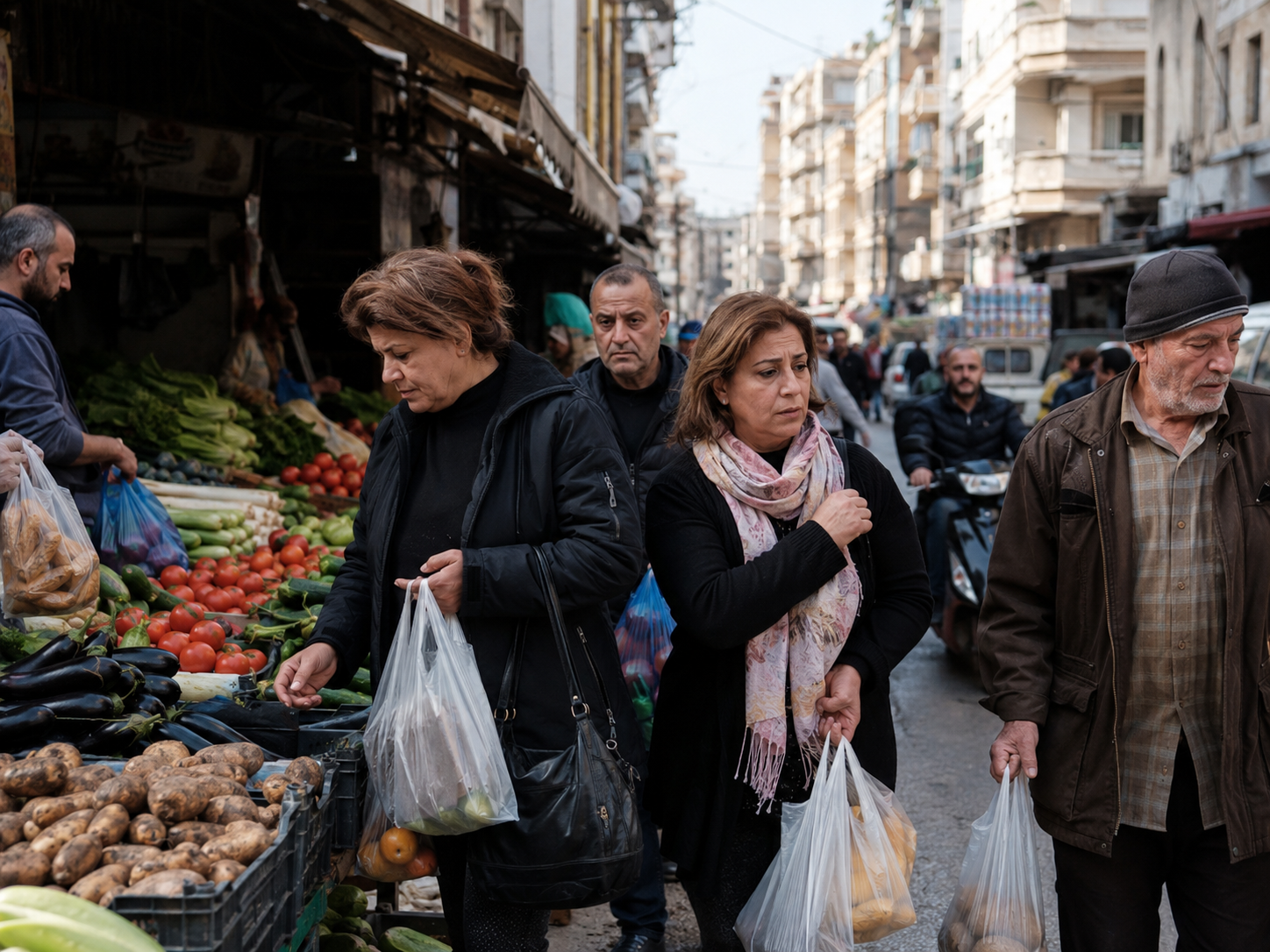
Ceasefire announcements matter most when they change conditions for civilians waiting for safety and aid. Editorial illustration by TheDailyGlobe.
Key Facts
- Associated Press reported that Israel and Lebanon agreed to renew a fragile ceasefire and establish pilot Lebanese security zones free of Hezbollah militants.
- The World Food Programme-backed food security analysis said about 1.24 million people in Lebanon were facing high levels of acute food insecurity between April and August 2026.
- ReliefWeb Response reported that hostilities and displacement orders continued to affect localities despite a ceasefire extension.
- It remains unclear whether the ceasefire will hold on the ground or how Lebanese forces would enforce any proposed security zones.
- Claims about Hezbollah withdrawal, Israeli strike responsibility and enforcement should be treated carefully because parties to the conflict dispute facts and responsibility.
For civilians near the Israel-Lebanon border, a ceasefire announcement answers only the first question. The harder question is whether it means families can stay home, aid can move safely and the next night will be quieter than the last.
Israel and Lebanon agreed to renew a fragile ceasefire and establish pilot Lebanese security zones free of Hezbollah militants, according to Associated Press reporting. The agreement gives U.S.-backed diplomacy another opening, but it does not settle whether calm will hold on the ground.
That difference matters. In conflicts where strikes, displacement orders and armed-group activity continue around diplomatic deadlines, a ceasefire can be both a real development and an incomplete answer for the people living under it.
What the Renewal Is Supposed to Do
The renewed ceasefire is meant to reduce violence along one of the region's most dangerous fault lines and create space for a security arrangement inside Lebanon. The reported pilot zones would be designed to keep Hezbollah militants out of specific areas under Lebanese authority.
That is the diplomatic goal. The practical challenge is enforcement. It is not yet clear how Lebanese forces would secure those areas, whether Hezbollah would comply, or how Israel would judge violations.
Those details are not minor. In a border conflict, the difference between a written ceasefire and a durable pause often depends on who controls roads, villages and launch areas after the announcement is made.
Why Civilians Are Still Waiting
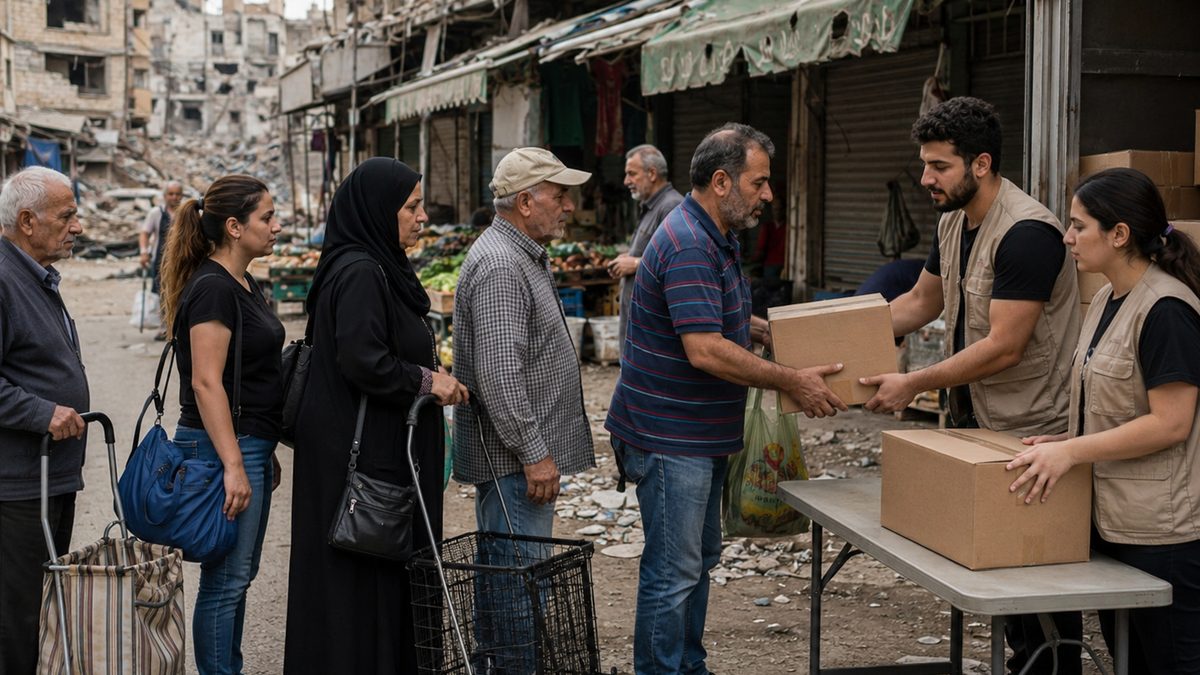
Humanitarian conditions in Lebanon show why the ceasefire matters beyond diplomacy. An Integrated Food Security Phase Classification update, issued with the participation of the World Food Programme and partners, said about 1.24 million people in Lebanon were facing high levels of acute food insecurity between April and August 2026.
That figure does not mean every person is affected in the same way. But it does show that the conflict is landing on a country already under heavy pressure, with displacement, insecurity and disrupted access making ordinary life harder for families.
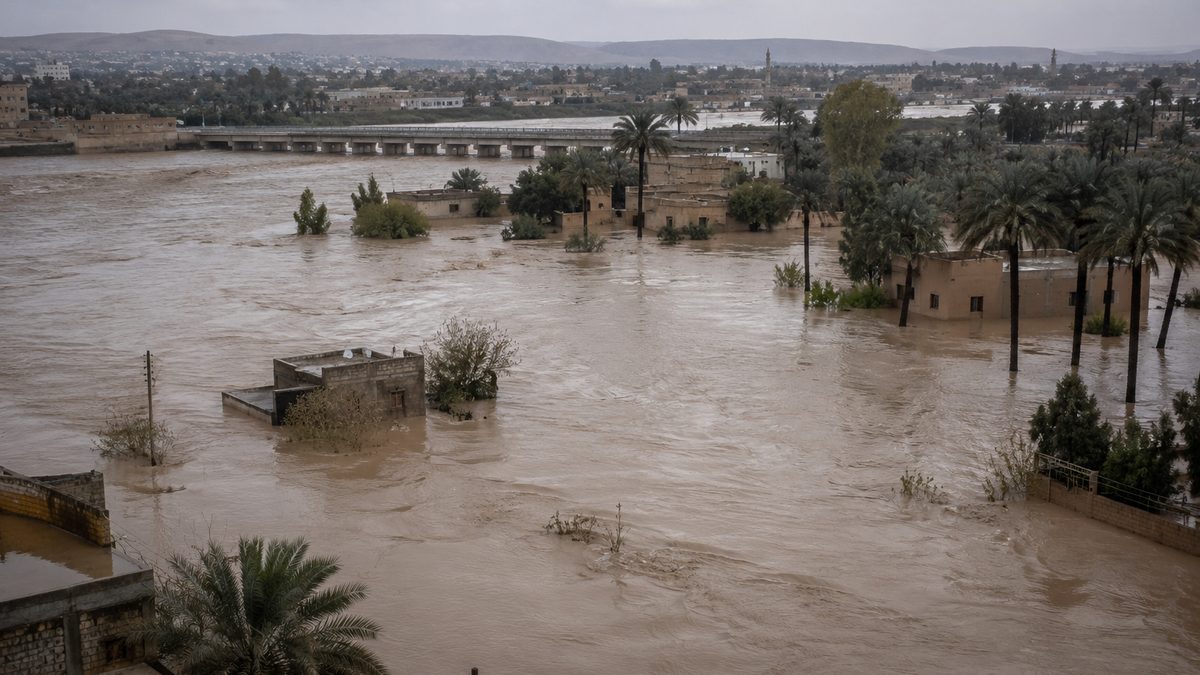
ReliefWeb Response materials also described continued hostilities undermining fragile ceasefire conditions, with airstrikes and displacement orders affecting localities even after ceasefire extensions. That context keeps the renewed agreement from being treated as peace.
Where the United States Fits In
The United States is directly involved in mediation, which makes the agreement relevant to U.S. diplomacy and regional security planning. Washington has an interest in keeping the Israel-Lebanon front from widening while it manages other Middle East pressures.
But U.S. involvement does not guarantee compliance by the parties on the ground. Hezbollah is a central actor in the conflict, and any plan that depends on areas being free of Hezbollah militants raises enforcement questions that cannot be answered by diplomatic language alone.
For readers trying to understand the story, the useful distinction is this: the agreement shows movement at the negotiating table, while the humanitarian reports show why people will judge the ceasefire by what happens in their towns, roads and shelters.
What Remains Unclear
The biggest unanswered question is whether the ceasefire will hold. It is also unclear how any security zones would be monitored, what Lebanese forces would be expected to do, and what would happen if Hezbollah or Israel accused the other side of violating the arrangement.
Claims about responsibility for strikes, withdrawal from specific areas and compliance with ceasefire terms should be attributed carefully. In active conflicts, governments and armed groups often frame events in ways that support their own position.
That does not make the agreement meaningless. It means the agreement is a starting point, not proof that the border has entered a stable phase.
What to Watch Next
The next test will be implementation. Watch for reported violations, new displacement orders, U.S. mediation statements, Lebanese enforcement steps, Israeli military statements and updates from aid groups on whether access improves.
If the ceasefire reduces strikes and makes aid delivery easier, civilians may feel the change first. If the agreement stays mostly on paper, the humanitarian numbers and local security reports will show that too.
Reporting note: Reporting draws on Associated Press reporting, humanitarian agency updates, food security analysis, ReliefWeb Response materials, and reviewed background materials. This article was produced with AI-assisted research and reviewed by an editor before publication.