Iraq Mobility Update Shows How Regional Tensions Still Spill Across Borders
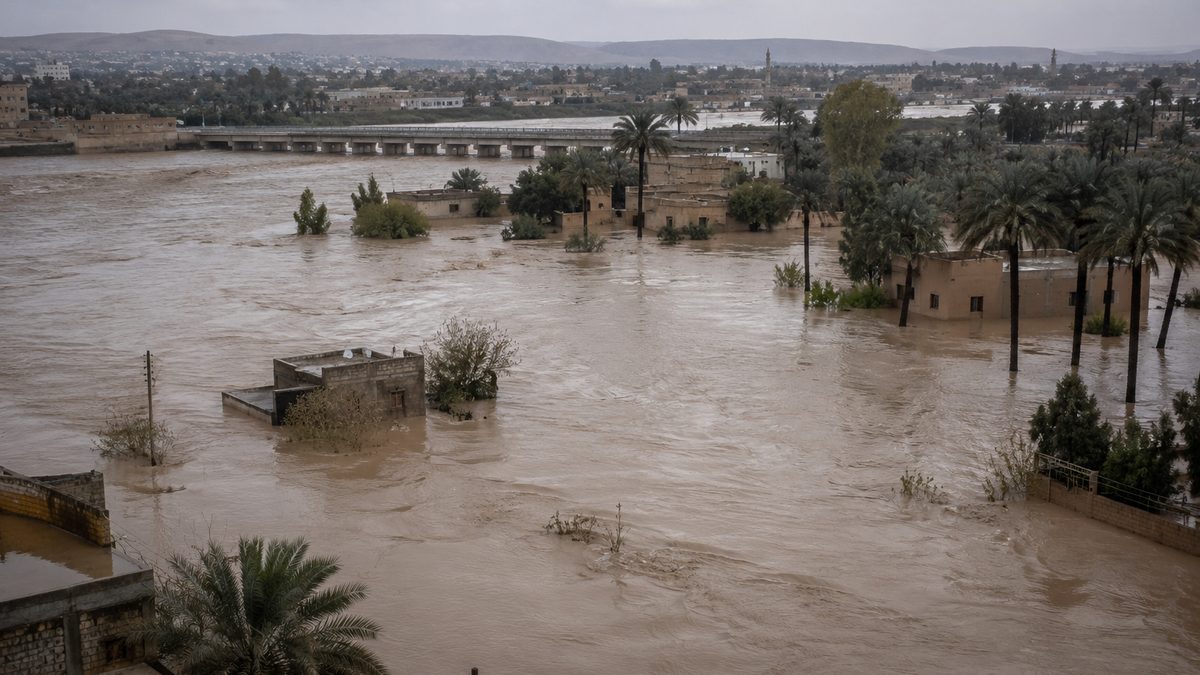
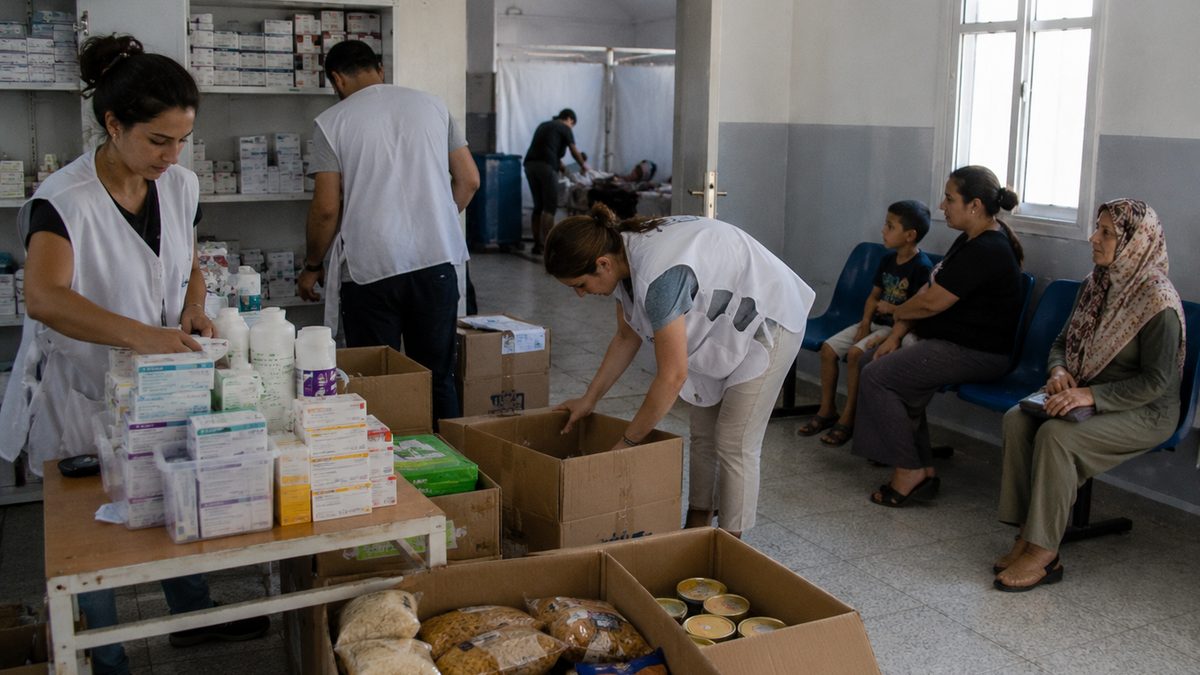
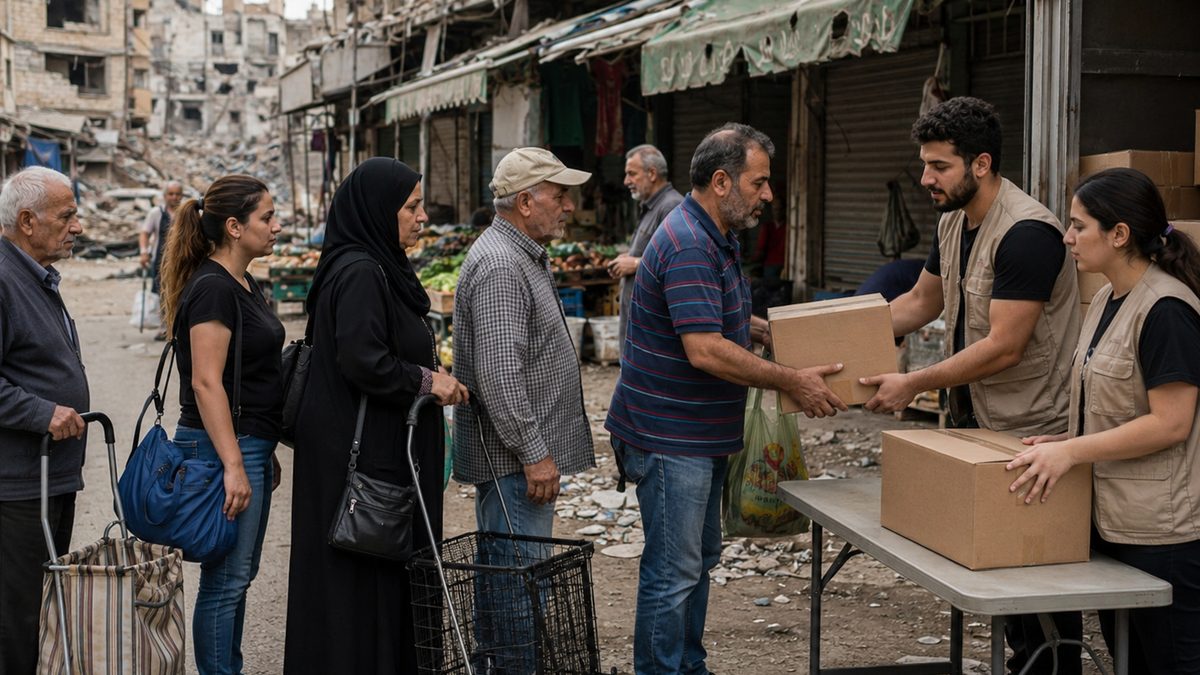
New mobility reporting from Iraq shows how regional escalation can affect movement, displacement and aid needs even when the main fighting is elsewhere.
Save Article
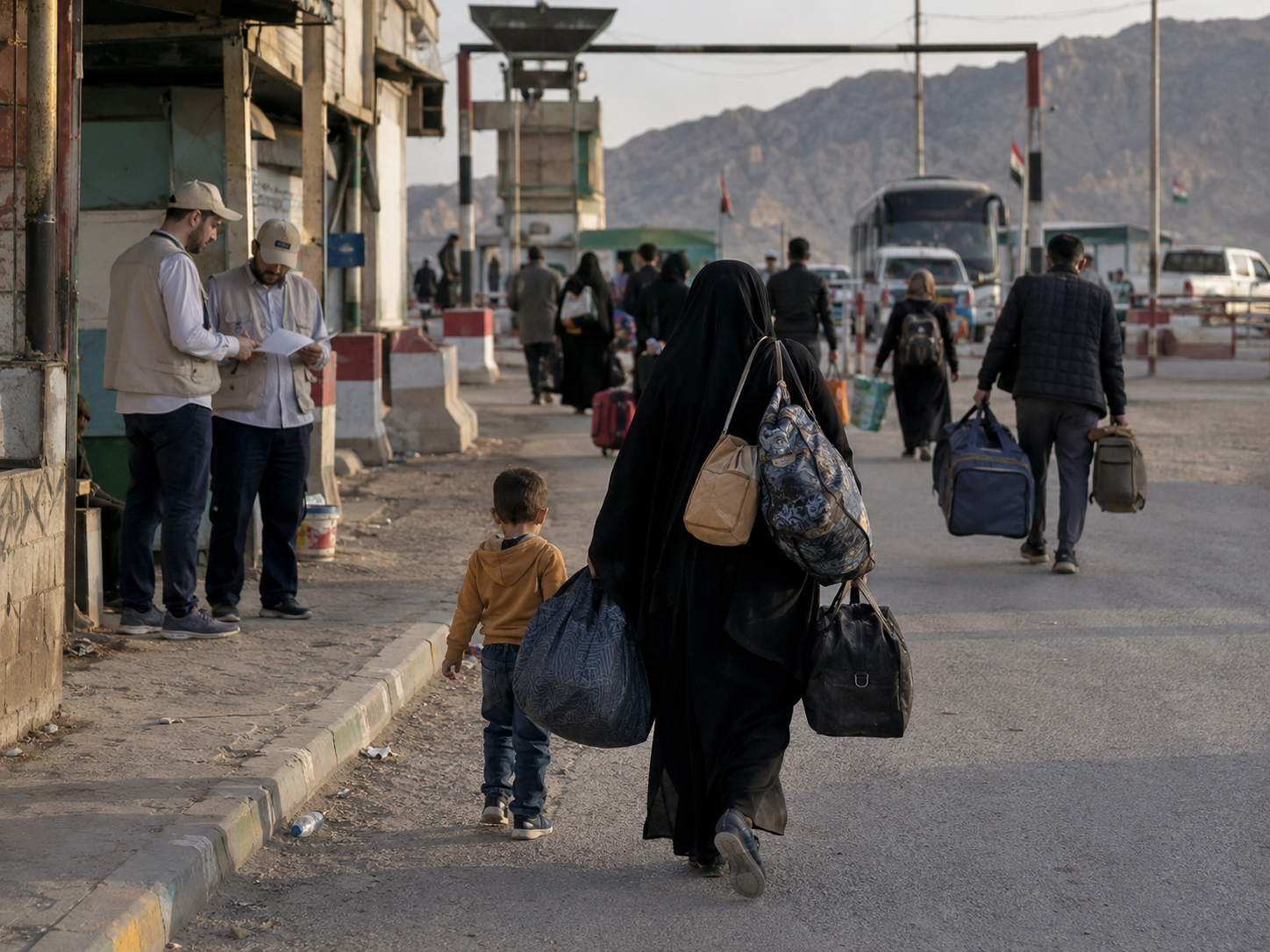
New mobility reporting from Iraq shows how regional escalation can affect movement, displacement and aid needs even when the main fighting is elsewhere. Editorial illustration by TheDailyGlobe.
A new Iraq mobility update shows how regional tensions can spill across borders even when the main conflict is happening elsewhere.
ReliefWeb and IOM published an Iraq update on cross-border mobility and internal displacement dated May 18 and posted May 22. ReliefWeb’s Iraq reports page said regional tensions persisted after escalatory military activity in and around Iran since late February 2026.
For readers, the point is simple: conflict does not stop neatly at the edge of a map. Neighboring countries can absorb movement, uncertainty and humanitarian pressure even when they are not the center of the fighting.
What the Update Shows
The IOM update focuses on cross-border mobility and internal displacement in Iraq. The figures should be checked against the latest IOM report before publication because movement data can change quickly.
The confirmed source basis does support the broader picture: Iraq continued to face cross-border impacts while a fragile ceasefire had remained in place since April 8, according to ReliefWeb’s Iraq reports page.
Why Iraq Remains Exposed
Iraq’s geography makes it sensitive to regional escalation. When violence, fear or instability rises nearby, people may move for safety, family, work, services or access to aid.
That does not mean Iraq should be described as the main battlefield based on this source material. The better reading is that Iraq is dealing with spillover effects: border movement, displacement pressure and added strain on aid systems.
What Remains Unclear
It remains unclear whether cross-border movement will stabilize if regional ceasefire conditions hold. It is also unclear whether humanitarian agencies have enough access and funding for affected populations.
The ICRC said in May that renewed regional escalation could risk years of progress in Iraq. That warning captures why mobility updates matter: they show how quickly ordinary movement and recovery can become vulnerable when tension rises around the region.
Reporting note: Reporting draws on ReliefWeb materials, IOM mobility reporting, ICRC regional statements, and reviewed Middle East humanitarian context. This article was produced with AI-assisted research and reviewed by an editor before publication.