Iraq Militia Weapons Pledge Tests Baghdad's Control Over Armed Groups
Two Iran-backed militias said they would begin handing weapons to Iraqi authorities, but other factions oppose full disarmament.
Save Article
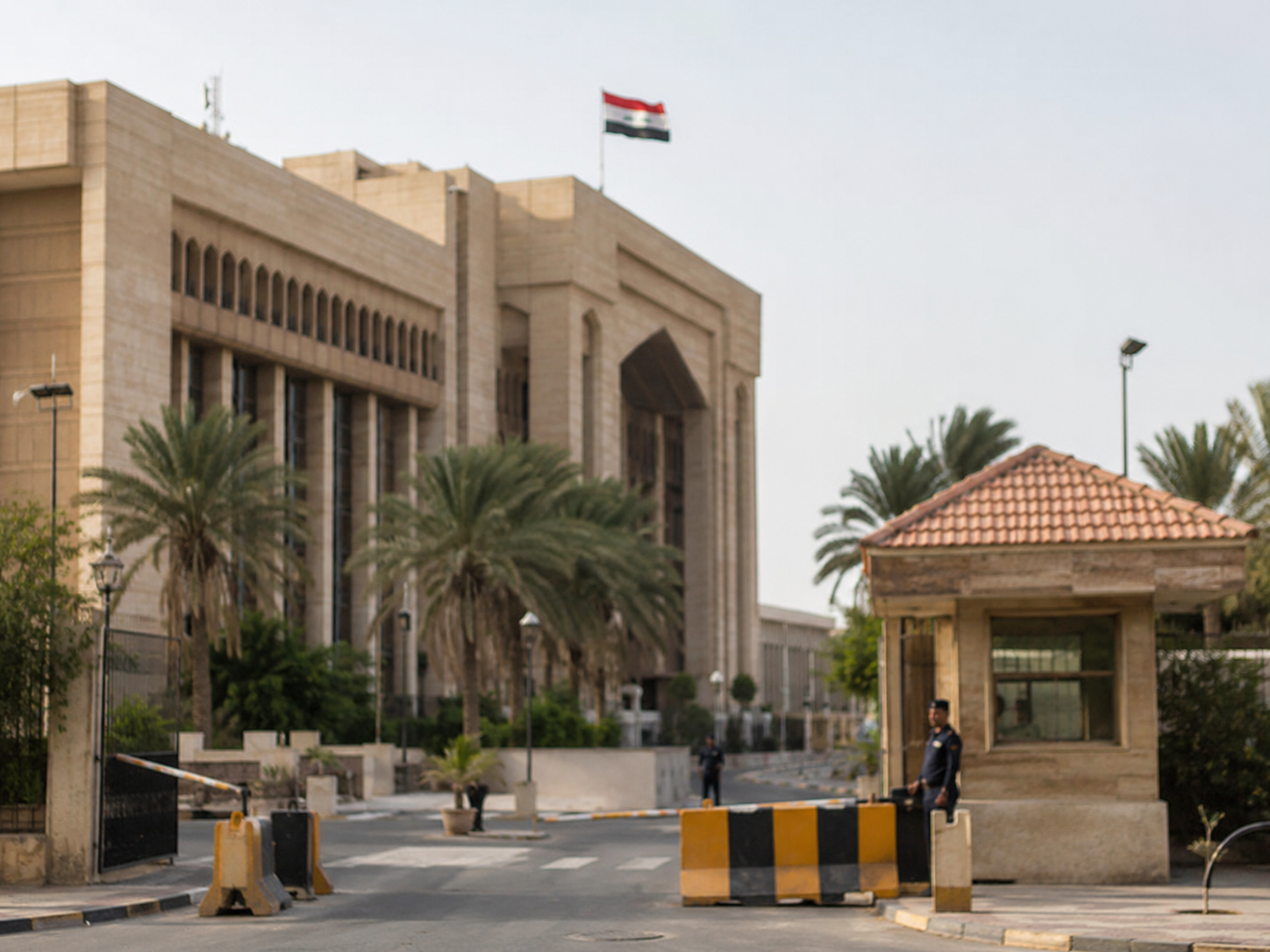
State authority is tested not by pledges alone, but by who controls weapons after the announcement. Editorial illustration by TheDailyGlobe.
Key Facts
- Associated Press reported that Asaib Ahl al-Haq and the Imam Ali Brigades said they would begin handing weapons to Iraqi authorities.
- AP reported that other factions, including Kataib Hezbollah and Harakat al-Nujaba, oppose full disarmament.
- The Iraqi government has faced pressure to reassert state control over armed groups.
- It remains unclear what weapons would be handed over, under what mechanism and with what enforcement.
- Policy analysis on Iraq's militia landscape should be treated as background and clearly separated from confirmed developments.
The central security question in Iraq is not only who holds office. It is who has the final say over armed force.
Two Iran-backed militias, Asaib Ahl al-Haq and the Imam Ali Brigades, said they would begin handing weapons to Iraqi authorities, according to Associated Press reporting. The pledge gives Baghdad a public opening to reassert state control over armed groups that have long operated with varying degrees of independence.
But the announcement is not the same as completed disarmament. Other factions, including Kataib Hezbollah and Harakat al-Nujaba, oppose full disarmament, leaving Iraq with a familiar problem: some groups are signaling cooperation while others reject the premise that all weapons should be under direct state control.
What the Pledge Changes
The pledge matters because it puts two powerful armed factions on record saying they will move weapons toward Iraqi state authority. In a country where militia power has often blurred the line between official security forces, political influence and independent armed action, that is a meaningful public statement.
The practical effect is still unknown. A weapons handover could mean a real transfer of arms and command authority. It could also mean a narrower process that changes paperwork more than operational control. The reporting so far does not establish which outcome Baghdad will get.
That is why the next details matter more than the announcement itself: which weapons are surrendered, who inventories them, where they are stored, who verifies the transfer and whether fighters remain able to act outside government command.
Why State Control Matters
A government cannot fully control security if major armed groups can decide on their own when to mobilize, threaten rivals or put pressure on foreign forces. That is the heart of Iraq's militia problem.
Many of Iraq's militia groups emerged or expanded during the fight against the Islamic State. Some later became deeply connected to politics, security institutions and regional power struggles. That history makes disarmament more complicated than collecting weapons from one isolated group.
The issue also matters beyond Iraq. Iraq's militia landscape affects U.S. personnel, regional diplomacy and the balance between Baghdad's national authority and outside influence, especially from Iran-aligned factions.
The Split Among Militias
The divide among factions is central to the story. Asaib Ahl al-Haq and the Imam Ali Brigades said they would begin the handover process. Kataib Hezbollah and Harakat al-Nujaba, according to AP, oppose full disarmament.
That split raises a basic enforcement problem for Baghdad. If some groups comply and others refuse, the government may gain partial control without ending the broader challenge of armed factions operating outside full state authority.
The Atlantic Council has argued in policy analysis that Iran-backed militias have weakened Iraq's sovereignty and stability. That interpretation should be read as analysis, not as a substitute for confirmed facts about this specific handover pledge.
What Remains Unclear
The most important unanswered question is whether the pledge changes command and weapons access in practice. Officials and militia leaders may describe a handover one way, while the real test will be whether armed groups lose the ability to act independently.
It is also unclear whether factions opposing disarmament will comply later, resist quietly or escalate pressure on the government. Any of those outcomes would shape whether Baghdad's effort becomes a turning point or another limited attempt to manage the militia issue without resolving it.
What to Watch Next
The next signals should come from Iraqi government enforcement steps, public inventories, militia statements and any response from groups rejecting full disarmament.
For now, the useful distinction is simple: a pledge to hand over weapons is a development worth watching, but it is not proof that Iraq's government has regained full control over armed force.
Reporting note: Reporting draws on Associated Press reporting, attributed policy analysis, Iraq security context, official and militia statements described in reporting, and reviewed background materials. This article was produced with AI-assisted research and reviewed by an editor before publication.