Iran Sanctions and Regional Conflict Keep Energy Routes Under Pressure
Recent U.S. sanctions and IMF analysis show how Iran, regional conflict and shipping risks remain tied to energy markets and security planning.
Save Article
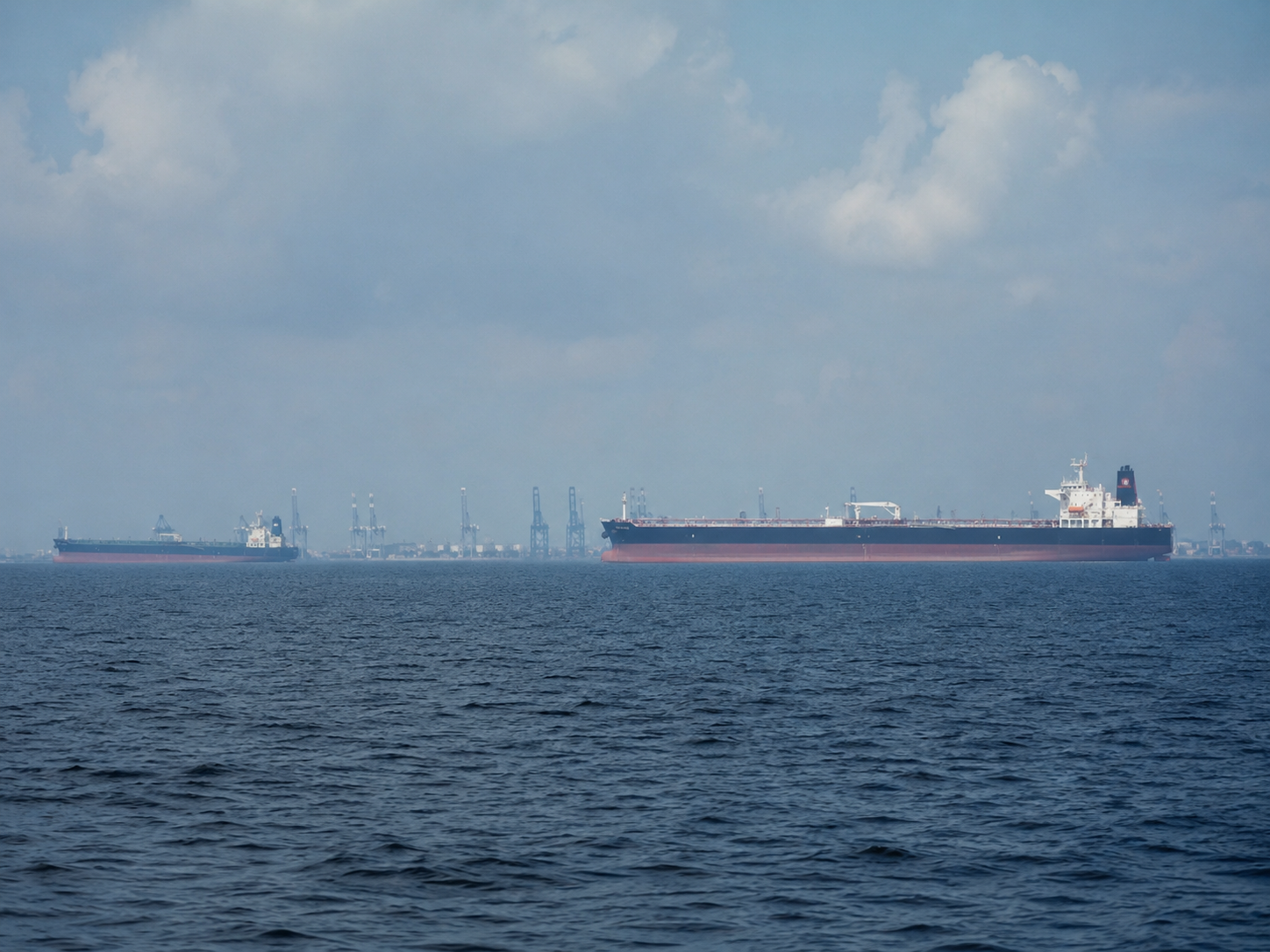
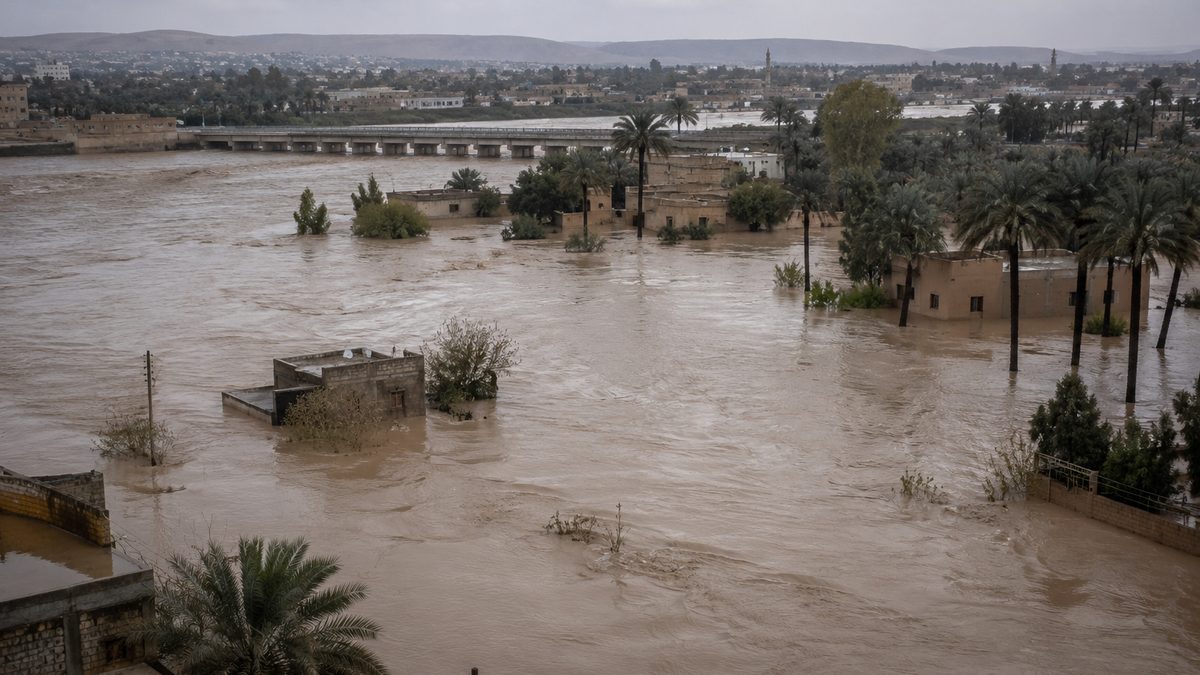
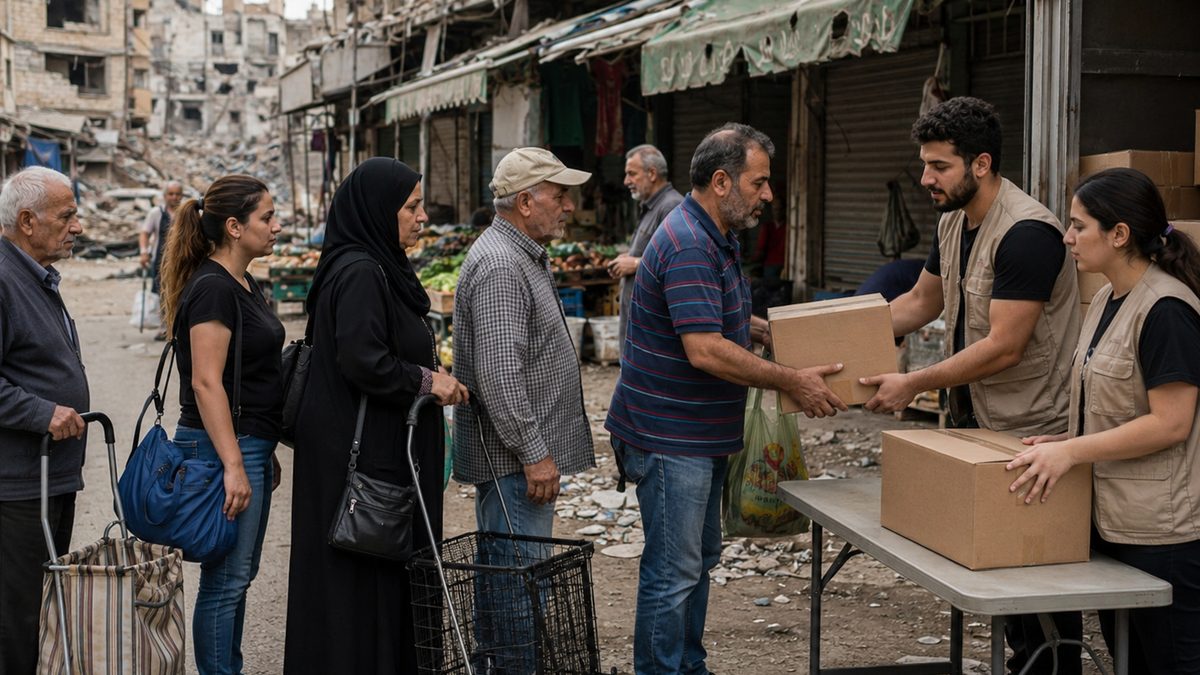
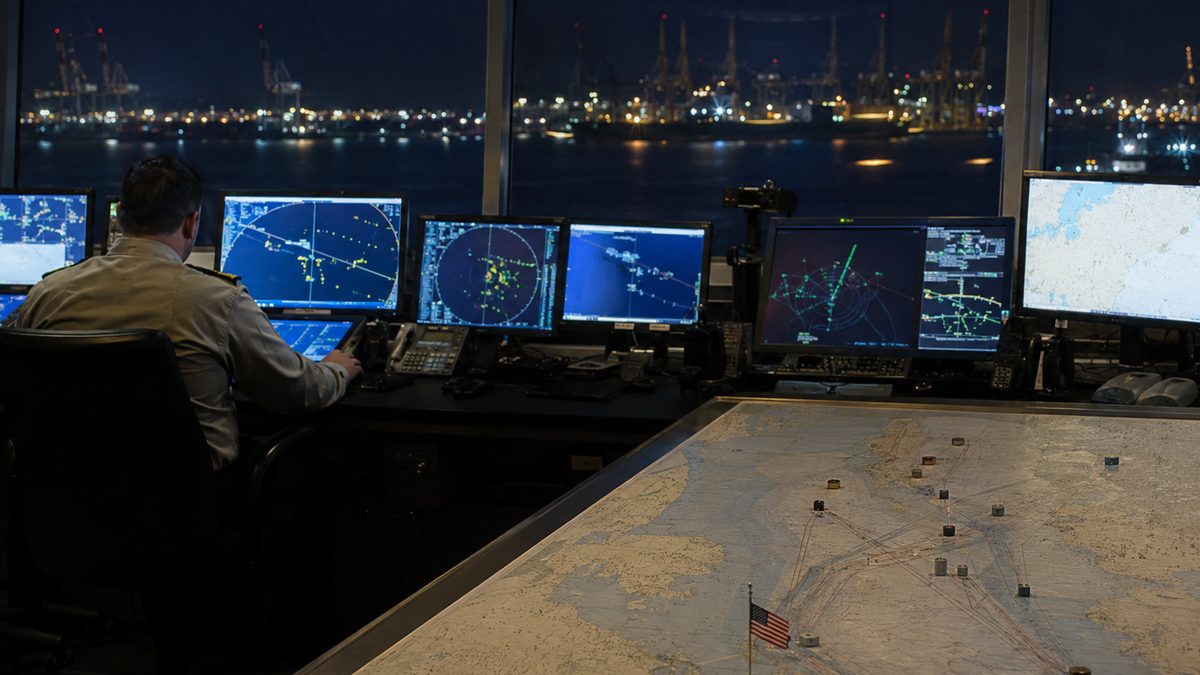
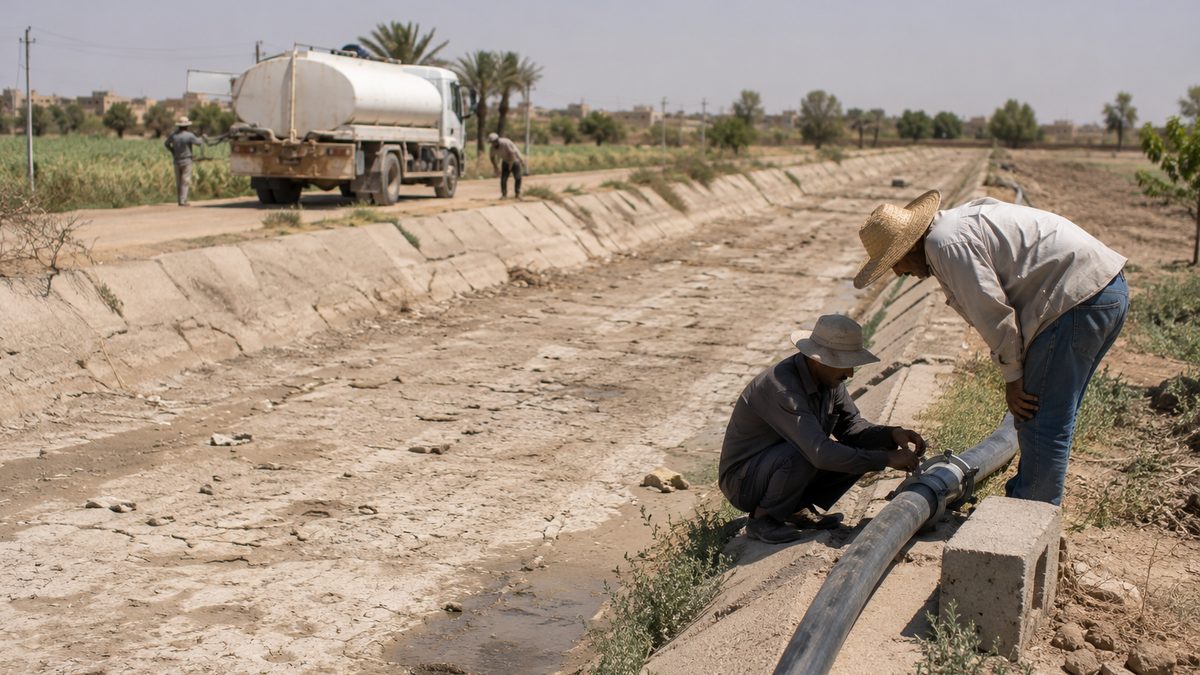
Sanctions and regional conflict can put pressure on shipping routes and energy markets. Editorial illustration by TheDailyGlobe.
Key Facts
- The U.S. State Department announced May 2026 sanctions on Iranian financial and shipping networks.
- The State Department also announced sanctions connected to Iranian oil trade earlier in May.
- IMF analysis said the Middle East conflict affects energy, trade and finance.
- The available source material does not show whether sanctions will materially reduce revenue flows.
- It remains unclear whether shipping and energy-route risks will ease or deepen.
Iran sanctions are not only about diplomacy. They are also about money, ships and the routes that move energy through a tense region.
The U.S. State Department announced May 2026 sanctions on Iranian financial and shipping networks, and earlier in May announced sanctions connected to what it described as Iran's illicit oil trade. The sanctions come as regional conflict continues to put pressure on energy, trade and finance, according to IMF analysis.
For regular readers, the useful question is not whether one sanctions announcement changes everything. It is why governments keep focusing on oil networks, shipping routes and financial channels when conflict in the Middle East remains unsettled.
What the Sanctions Are Trying to Reach
Sanctions aimed at financial and shipping networks are designed to reach the systems that help money and goods move. In Iran's case, U.S. sanctions materials point to networks tied to shipping, finance and oil trade.
That matters because oil revenue and shipping access can shape how much pressure a government actually feels. A sanction on a person, company or vessel may sound narrow, but the broader goal is often to make it harder for targeted networks to move money, arrange transport or continue trade outside normal channels.
The source material supports the existence of the sanctions and the areas they target. It does not prove how effective they will be. That is an important limit. Sanctions can disrupt activity, but targeted networks can also adapt, reroute or look for new intermediaries.
Why Energy Routes Matter
Energy routes matter because oil and fuel do not move by headline. They move through ports, tankers, insurance markets, shipping lanes, payment systems and buyers willing to take risk.
When a region is unstable, those systems can become more expensive, slower or harder to trust. The IMF analysis said the Middle East conflict affects energy, trade and finance. That does not mean every household will immediately see a direct price change from every incident. It does mean the region remains tied to the larger economic systems that influence energy security and market confidence.
That is why sanctions connected to shipping and oil trade belong in the same conversation as regional conflict. Governments are not only reacting to battlefield developments or diplomatic statements. They are also trying to shape the financial and logistical networks that support energy movement.
What This Means for Readers
The connection to daily life is indirect, but real. Energy markets can affect gasoline, heating, shipping costs, airline costs and the price of goods that move long distances. Security risks near major trade routes can also affect government planning and military attention.
That does not mean oil-price predictions should be made from the available source material. They should not. The safer point is that conflict and sanctions keep pressure on the systems behind energy supply, and those systems can matter to consumers even when the details feel far away.
Readers do not need to track every sanctioned entity to understand the larger pattern. The United States is trying to limit Iranian-linked financial, shipping and oil networks, while regional conflict continues to create economic and security concerns around energy and trade.
What Remains Unclear
The biggest unknown is effectiveness. The available source material does not show whether the May sanctions will materially reduce revenue flows connected to Iran.
It also remains unclear whether shipping and energy-route risks will ease or deepen. That depends on regional conflict developments, enforcement, market behavior, shipping decisions and diplomatic choices that are not settled by one sanctions notice.
That uncertainty should keep the story grounded. Sanctions are a pressure tool, not a guaranteed outcome. Conflict can affect energy and trade, but the scale and timing of those effects need evidence, not guesswork.
The Practical Takeaway
The practical takeaway is simple: Iran sanctions, regional conflict and energy-route pressure are connected because money, oil and shipping move through overlapping systems.
The latest U.S. actions show where Washington is applying pressure. The IMF analysis shows why the broader region still matters to energy, trade and finance. What remains to be seen is whether that pressure changes behavior, reduces revenue flows or lowers risk along the routes that carry energy through the Middle East.
Reporting note: Reporting draws on U.S. State Department sanctions materials, IMF economic analysis, regional conflict context, and reviewed background materials. This article was produced with AI-assisted research and reviewed by an editor before publication.