Indonesia Nickel Rules Matter Because Electric Cars Still Depend On Global Supply Chains
Concerns over Indonesia's nickel policies show how battery materials, trade rules and investment decisions can shape the supply chains behind electric vehicles.
Save Article
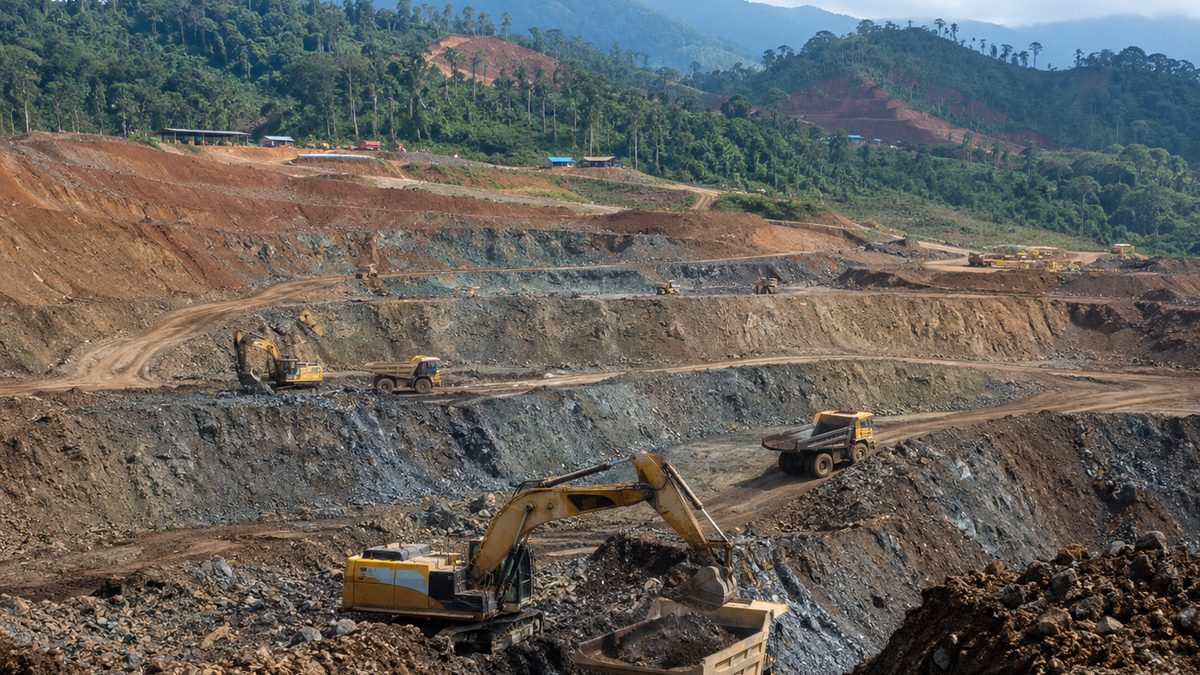
Battery supply chains often depend on policy decisions made far from the showroom. Editorial illustration by TheDailyGlobe.
Electric vehicles may look like clean, finished technology by the time they reach a showroom, but they still depend on minerals mined, processed and traded through complicated global supply chains. Nickel is one of those materials.
That is why recent concerns over Indonesia's nickel rules matter beyond mining companies. Reuters reporting carried by Kitco said Chinese companies operating in Indonesia warned that nickel-sector quotas, tax hikes and pricing rules could threaten investment.
Indonesia is a major player in nickel, and policy decisions there can matter to battery makers, automakers and countries competing for control over clean-energy manufacturing. The issue is not that a rule change immediately changes what U.S. drivers pay for an electric car. The public reporting does not establish that.
Why Nickel Policy Matters
Nickel is used in battery and industrial supply chains, making it one of the materials tied to the growth of electric vehicles and other energy technologies. When governments change mining, refining, quota, tax or pricing rules, companies may reassess where they put money, equipment and future production plans.
The China-Global South Project has described Indonesia's nickel regulation debate as a balancing act between growth and control. That is the core policy tension: governments want investment and jobs, but they also want more influence over the value of natural resources.
What Remains Unclear
The biggest unknown is whether Indonesia will adjust its policies in response to investor concern. It is also unclear whether companies will materially move production or future investment elsewhere.
AsiaToday.id reported that some Chinese nickel firms are looking toward Africa as policy uncertainty raises questions about Indonesia's dominance. That points to possible supply-chain shifts, but future investment plans should be treated as claims and signals, not settled outcomes.
What To Watch Next
The next thing to watch is Indonesia's response. Any change to quotas, taxes or pricing rules could show whether the government is trying to reassure investors, tighten control or hold its position.
For readers, the practical takeaway is simple: electric cars are not only shaped by automakers and charging stations. They also depend on mineral policy, trade rules and investment decisions made far from the showroom.
Reporting note: Reporting draws on wire reporting, regional analysis, business reporting, and reviewed background materials. This article was produced with AI-assisted research and reviewed by an editor before publication.