Haiti’s New Security Force Faces the Same Hard Question as the Last One
A new international gang-suppression force has begun arriving in Haiti, but its success depends on capacity, civilian safety, and sustained support.
Save Article
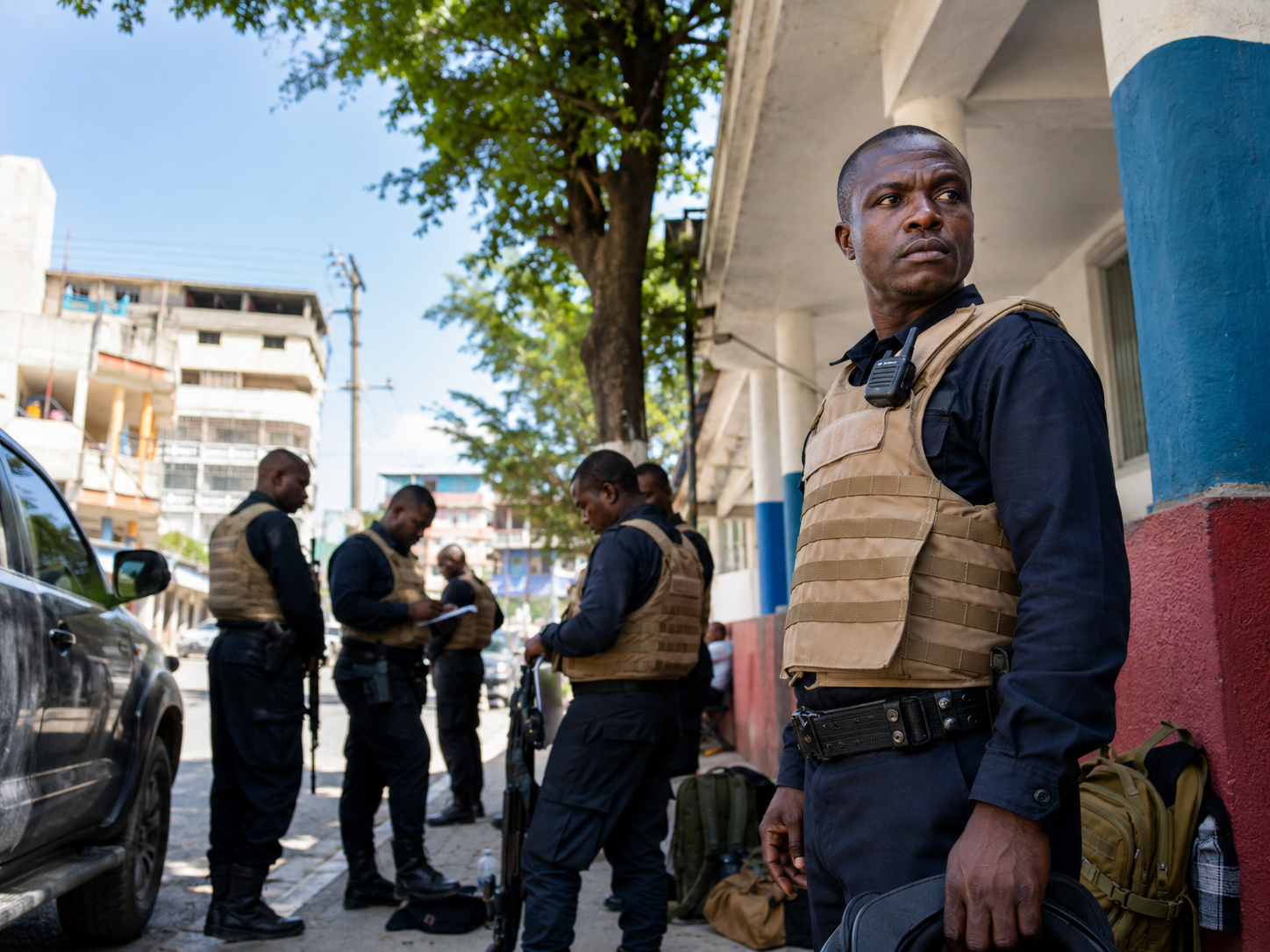
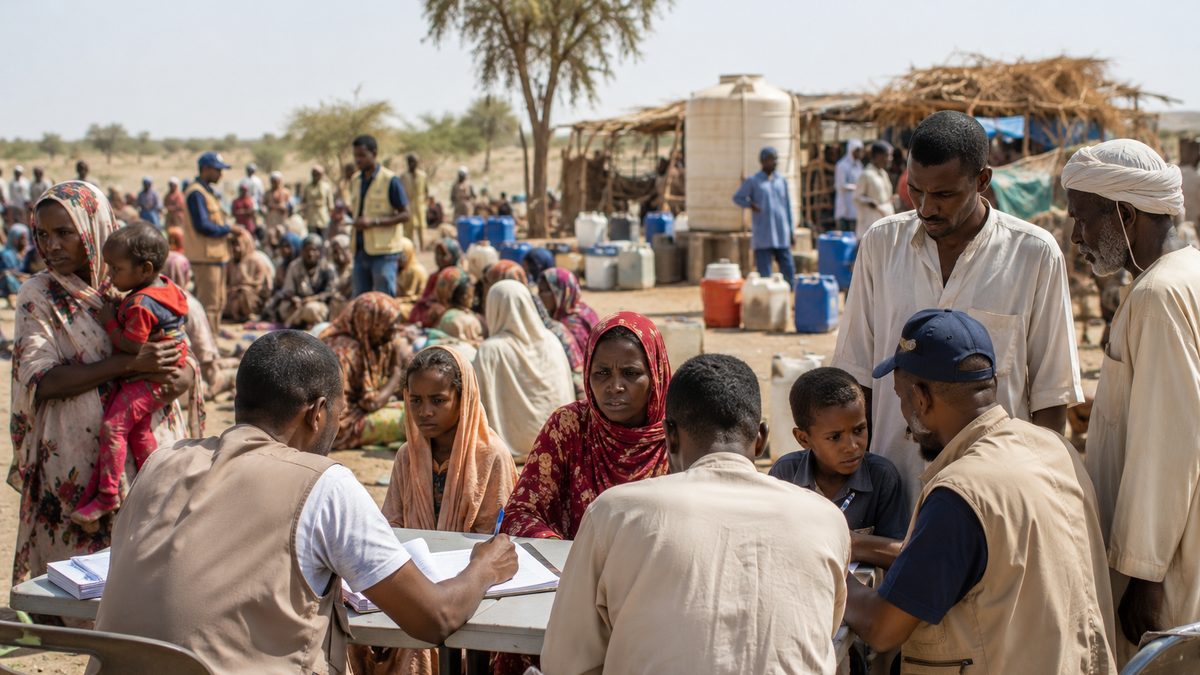
A new international gang-suppression force has begun arriving in Haiti, but its success depends on capacity, civilian safety, and sustained support. Editorial illustration by TheDailyGlobe.
Key Facts
- AP reported that the first foreign troop contingent in a new gang-suppression force landed in Haiti.
- The force is intended to replace or succeed a previously under-resourced mission.
- Haiti continues to face severe humanitarian, political, and security pressures.
- Claims about armed-group territorial control and mission effectiveness should be attributed to reporting or official sources.
- It remains unclear whether the new force will reach planned capacity or how long international support will last.
The first foreign troop contingent in a new gang-suppression force has landed in Haiti, according to Associated Press reporting, opening another international effort to address a security crisis that has overwhelmed parts of the country and deepened civilian suffering.
The new force is intended to replace or succeed a previous mission that struggled with resources and capacity. Haiti continues to face severe humanitarian, political, and security pressures, according to UN materials and international reporting.
For readers outside Haiti, the issue is not only whether another mission has arrived. The harder question is whether this force can do what earlier efforts could not: build enough capacity to reduce armed-group control while avoiding new harm to civilians and keeping international support from fading before the job is done.
What the New Force Is Supposed to Do
The purpose of the new force is to help Haiti confront armed groups that have disrupted daily life, government authority, commerce, health care, transportation, and humanitarian access. The mission is being described as a gang-suppression effort, but its real test will be whether it can improve conditions for civilians rather than simply add another layer of international presence.
That distinction matters. A security mission can arrive with a clear purpose on paper and still struggle once it faces limited staffing, difficult terrain, unclear political authority, or armed groups with strong local control.
The previous mission was described as under-resourced. That history is important because Haiti’s challenge has not been a lack of international statements of concern. It has been the gap between what outside governments say they will support and what actually arrives with enough people, equipment, funding, and staying power.
Why Capacity Is the Central Question
A security force cannot be judged only by its launch. It has to be judged by whether it reaches the size and readiness needed to operate effectively. The source material says the first foreign troop contingent has landed, but it remains unclear whether the new force will reach its planned capacity.
Capacity means more than headcount. It can include training, command structure, transportation, intelligence, coordination with Haitian authorities, medical support, and the ability to protect civilians while operating in crowded urban areas.
Without those pieces, a mission can become symbolic: visible enough to show action, but not strong enough to change the balance on the ground. That is the risk facing the new effort.
Civilian Safety Is the Real Measure
Haiti’s crisis is often described through the language of gangs and security operations. But the people most affected are civilians trying to get food, reach hospitals, send children to school, keep businesses open, and move through neighborhoods without being caught between armed groups and security forces.
That is why mission success cannot be measured only by arrests, patrols, or territory. It also depends on whether civilians are safer, whether aid can move, whether health services can function, and whether violence is reduced without creating new abuses or displacement.
Claims about armed-group control or mission effectiveness should be attributed carefully because conditions can vary by neighborhood and may change quickly. The available source material supports that Haiti faces severe security and humanitarian pressure. It does not prove that the new force will be able to reverse those conditions.
Why International Support Is Hard to Sustain
International interventions often begin with urgency and promises. They can lose momentum when costs rise, political attention shifts, or governments disagree over who should provide troops, money, and leadership.
That is a central concern in Haiti. If the new force does not receive steady support, it may repeat the weaknesses of the mission it is meant to replace. If it does receive support but lacks a clear political strategy, it may improve security in some areas without helping Haiti move toward more stable governance.
The security problem and the political problem are connected. Armed groups can grow stronger when public institutions are weak. Public institutions can struggle to recover when violence blocks ordinary government functions. A security mission may help create space, but it cannot by itself solve every political and humanitarian problem.
What Remains Unclear
The biggest open question is whether the new force will reach its planned capacity. The first contingent’s arrival is a start, not proof that the mission will have everything it needs.
It is also unclear whether the force can reduce armed-group control without worsening civilian harm. That will depend on rules of engagement, coordination with Haitian authorities, accountability, and whether humanitarian access improves alongside security operations.
Finally, the duration of international support remains uncertain. Haiti’s crisis is deep enough that a short burst of attention is unlikely to be enough. The new force faces the same hard question as the last one: whether the outside world is prepared to sustain the resources, discipline, and patience needed for the mission to matter on the ground.
Reporting note: Reporting draws on Associated Press reporting, UN humanitarian materials, UNODC security context, and reviewed background materials. This article was produced with AI-assisted research and reviewed by an editor before publication.