Gaza Medical Evacuations Show How Fragile Aid Access Remains
Recent medical evacuations from Gaza show that some humanitarian access is moving, but thousands still need care unavailable inside the territory.
Save Article

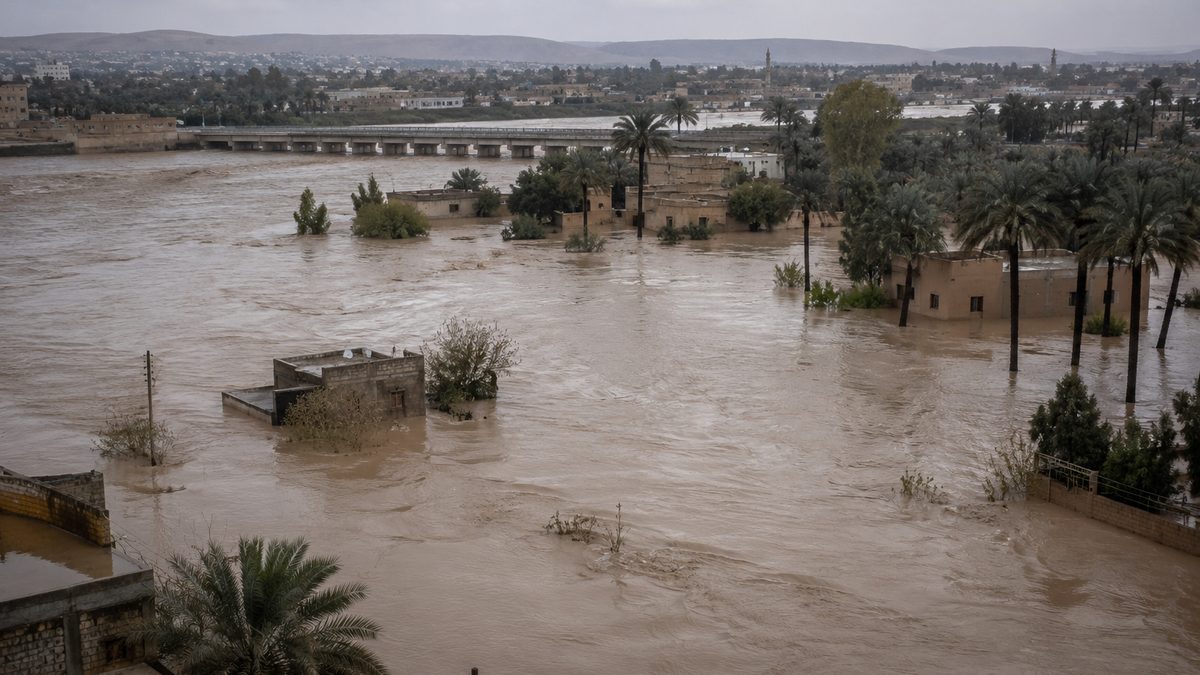
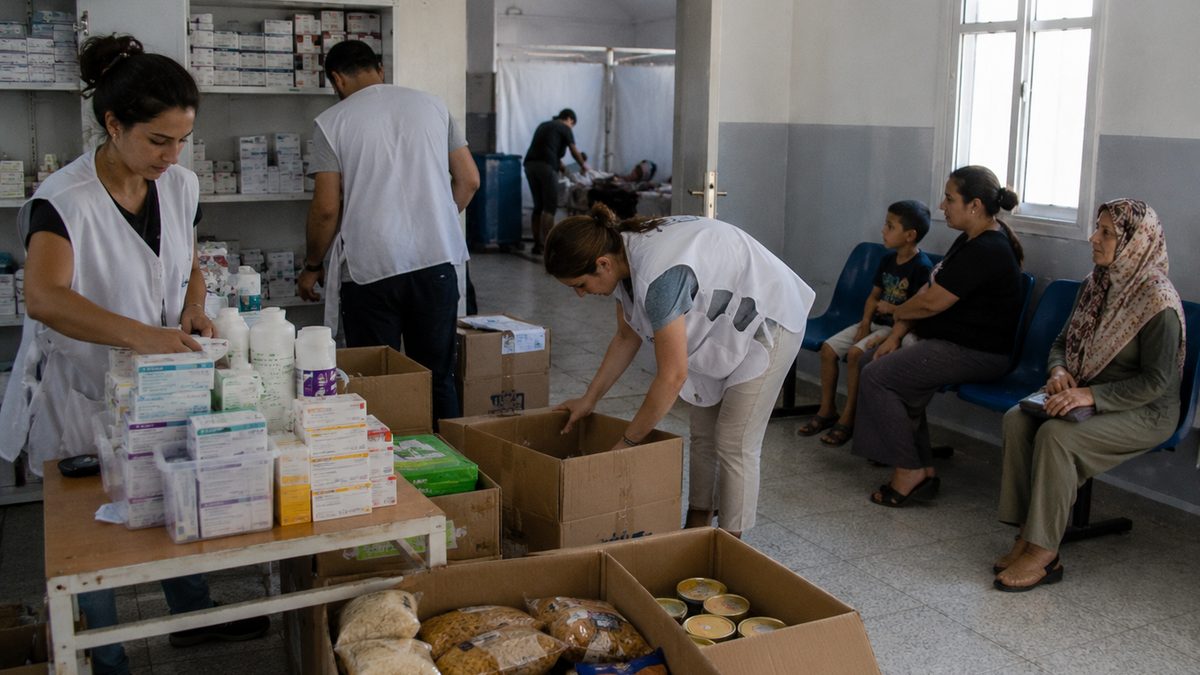
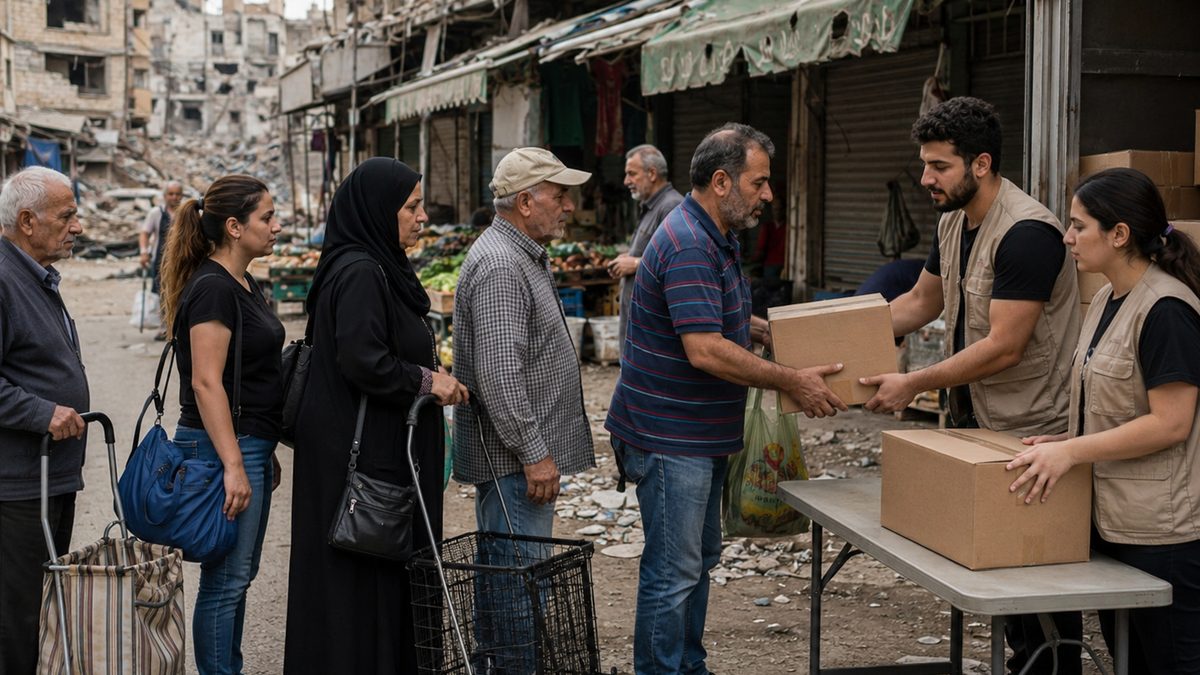
For patients who need care unavailable where they live, access can matter as much as any diplomatic promise. Editorial illustration by TheDailyGlobe.
For patients in Gaza who need specialized treatment, a ceasefire is measured in more than quiet streets or diplomatic statements. It is measured in whether crossings open, whether names are approved, whether ambulances can move and whether care unavailable inside Gaza can be reached in time.
Recent medical evacuations through Rafah, supported by the World Health Organization and partners, show that some humanitarian access is continuing. But United Nations humanitarian reporting also says thousands of people still need services that are not available inside Gaza.
A Narrow But Important Test
Medical evacuation is only one part of Gaza's larger humanitarian crisis, but it is a clear way to understand the limits of the aid system. A patient who needs cancer care, surgery, rehabilitation or another specialized service may not be helped by a ceasefire unless the system can actually move that person to treatment.
OCHA has reported evacuations through Rafah with WHO and partner support. The same reporting points to a much larger need, with thousands still requiring medical services that cannot currently be provided in Gaza.
Why The Ceasefire Still Looks Fragile
UN officials have described the Gaza ceasefire as fragile amid continued violence and armed activity. Responsibility for specific violations should be attributed carefully, because conflict-party accounts often differ and early claims can change as more information becomes available.
The practical issue for civilians is whether the ceasefire framework can support steady humanitarian operations. Medical evacuations require coordination, crossing access, approvals, transport, hospital capacity and security assurances. If any part of that chain breaks down, patients can be left waiting.
What Remains Unclear
It remains unclear how many patients will be approved for evacuation next, whether crossing access will stay stable and whether the ceasefire can support broader humanitarian work over time.
The next updates to watch are OCHA and WHO evacuation figures, any changes at Rafah or other crossings, and whether the Security Council or ceasefire officials push for more reliable medical access. For now, the evacuations show both movement and limitation: some patients are getting out, but the need remains much larger than the current system can meet.
Reporting note: Reporting draws on United Nations humanitarian updates, UN diplomatic briefings, wire reporting, and reviewed Middle East conflict context. This article was produced with AI-assisted research and reviewed by an editor before publication.