Gaza Aid System Faces Strains From Access, Funding And Data Risks
UN agencies report severe strain on Gaza's aid operations as food insecurity, displacement, funding gaps and a reported data breach add pressure.
Save Article
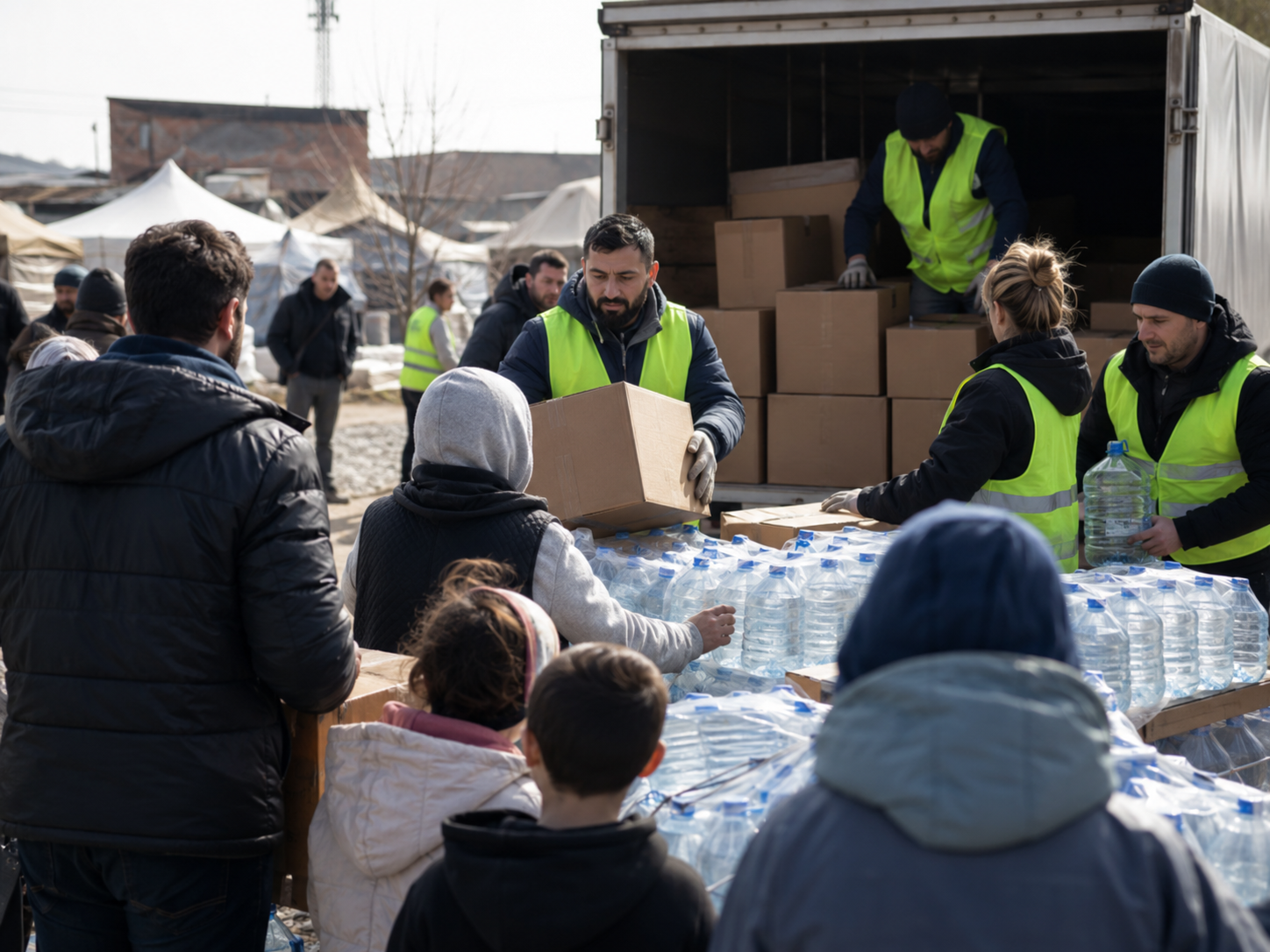
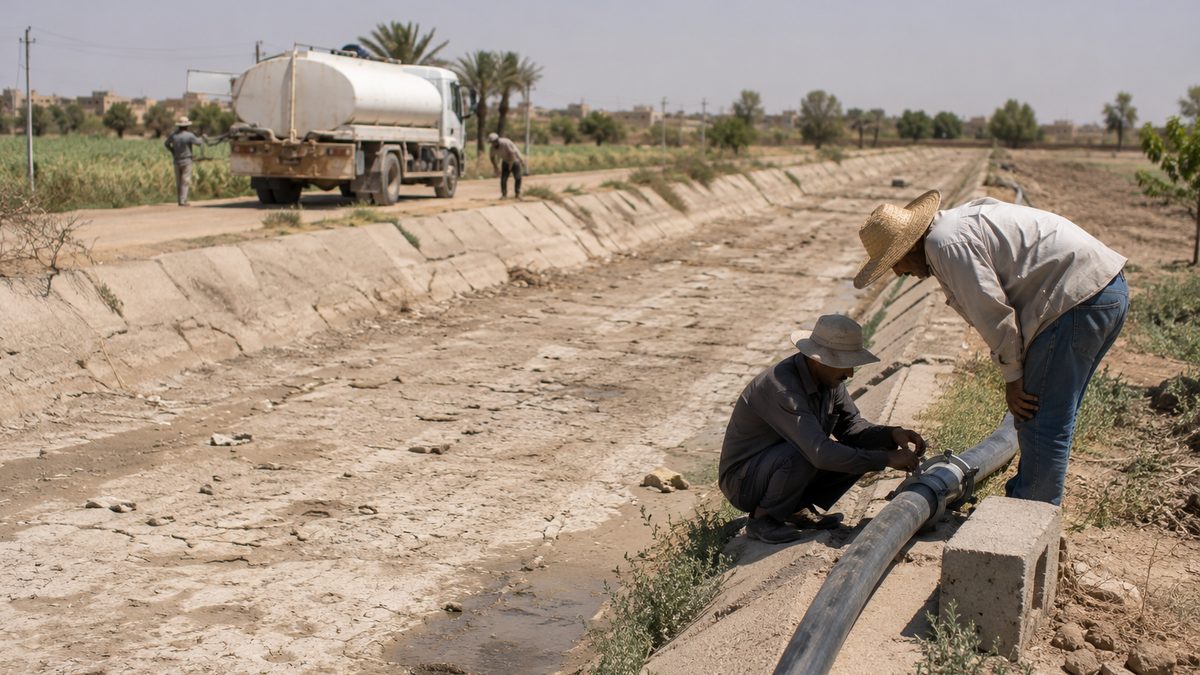
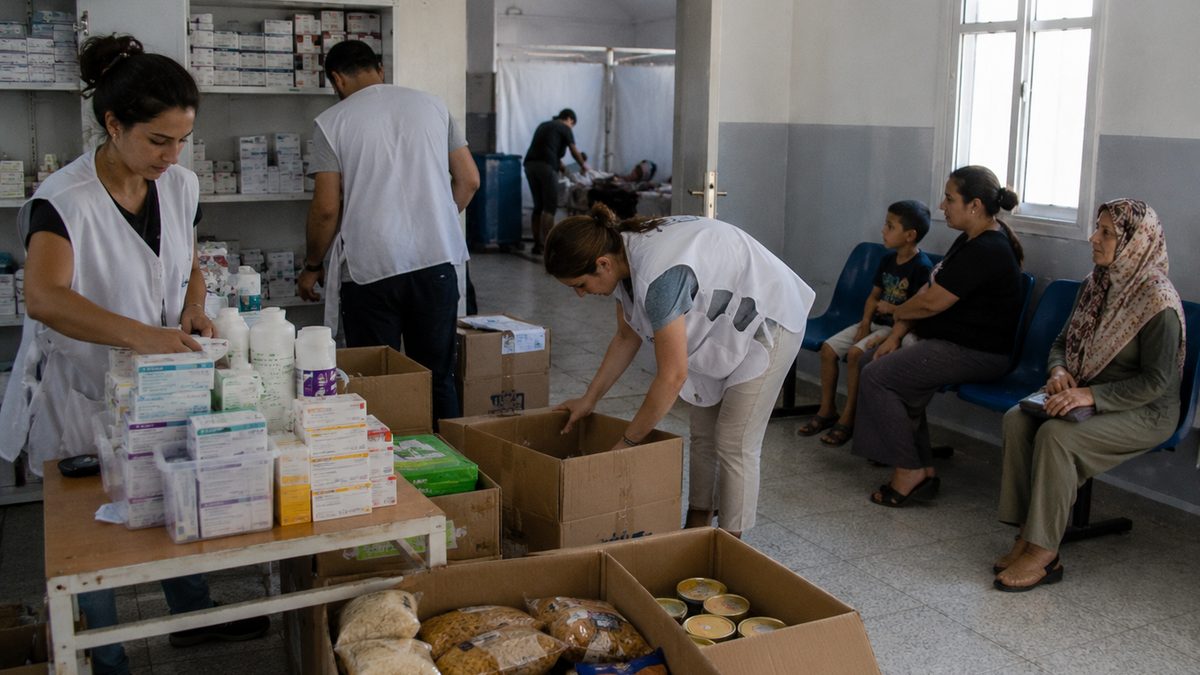
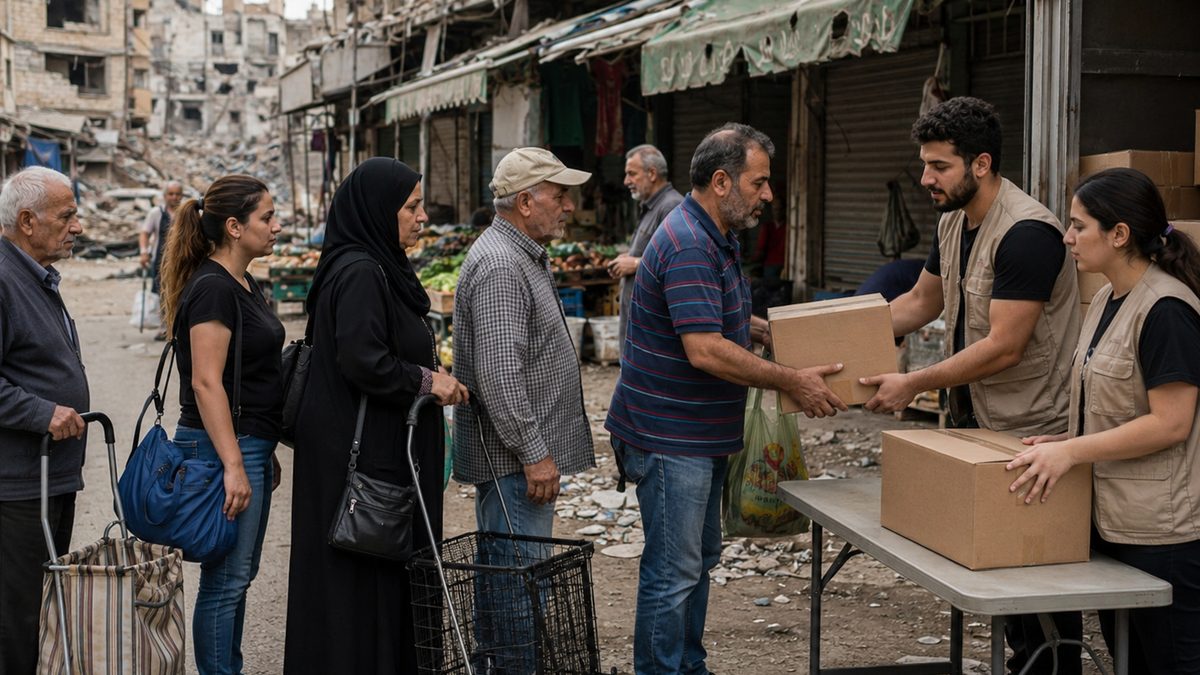
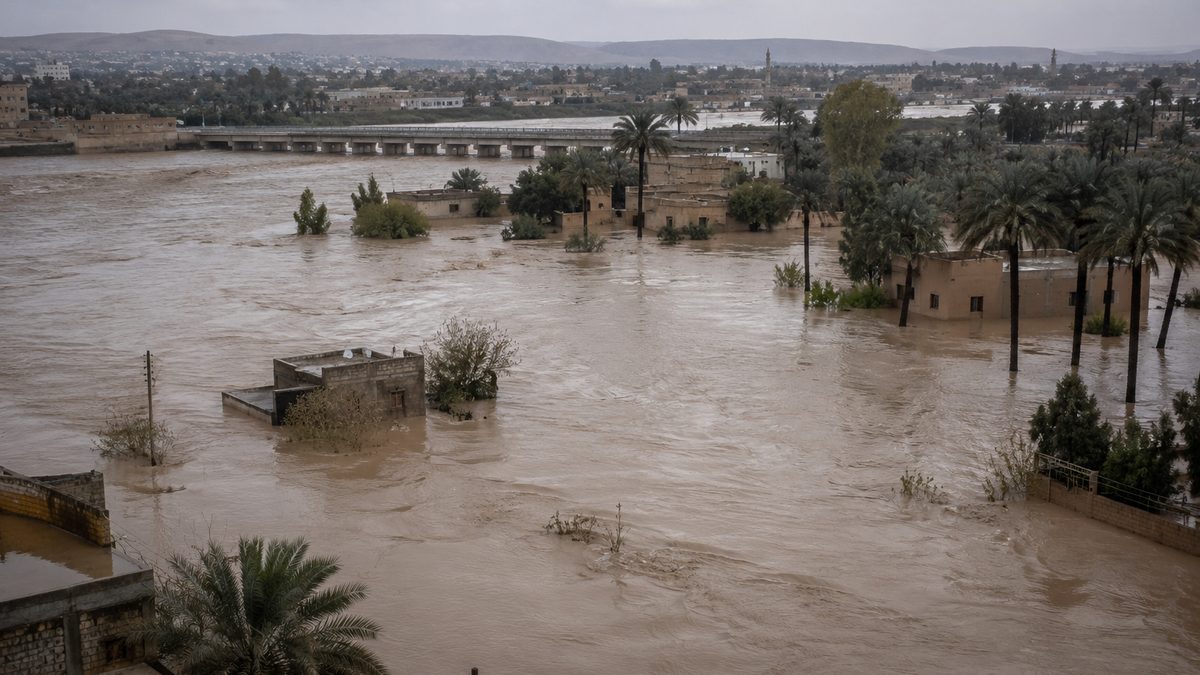
Humanitarian aid in Gaza depends on fragile systems for food, water, health care, access and information security. Editorial illustration by TheDailyGlobe.
Key Facts
- OCHA has reported that humanitarian operations in Gaza remain under severe strain, including funding and operational constraints.
- The World Food Programme says 1.6 million people in Palestine face high levels of acute food insecurity.
- UNRWA has reported continuing health, displacement and shelter concerns in Gaza and the West Bank.
- The New Humanitarian reported on June 2 that data from 600,000 Gaza households was exposed in a WFP cyberattack.
- The full impact of any data exposure on aid recipients remains unclear.
Humanitarian aid depends on systems most people never see: trucks, fuel, warehouses, water points, health workers, databases, permissions and routes that must stay open long enough for help to reach people.
In Gaza, those systems remain under heavy strain. United Nations agencies continue to report severe pressure on food, health, shelter and basic services, while new humanitarian reporting has raised concerns about a possible data-security failure involving hundreds of thousands of households.
That combination matters because aid is not only a question of whether supplies exist. It also depends on whether agencies can fund operations, move safely, protect staff, keep records secure and reach families whose needs can change quickly.
Aid Depends On More Than Supplies
When people think about humanitarian aid, the first image is often food, water or medicine. But aid delivery also depends on the quieter machinery behind it: distribution lists, storage space, fuel, security coordination, staff access, medical referrals and working communications.
OCHA, the United Nations humanitarian coordination office, has described operations in Gaza as facing severe strain. That includes funding pressure and limits on what aid groups can do on the ground. Those constraints can affect whether supplies reach people consistently, not just whether aid has been promised.
The World Food Programme says 1.6 million people in Palestine face high levels of acute food insecurity. That figure points to a food crisis that cannot be solved by one convoy or one delivery window. It requires repeated access, functioning distribution systems and enough funding to keep programs running.
Health, Shelter And Displacement Pressures Continue
UNRWA has continued to report concerns tied to health care, displacement and shelter in Gaza and the West Bank. Those pressures overlap. A displaced family may need food, clean water, medical care and a safe place to sleep at the same time.
That is why humanitarian agencies often describe Gaza as a systems crisis, not only a supply crisis. If clinics are damaged or short-staffed, if water systems are unreliable, if shelters are overcrowded or if access routes are limited, each problem makes the others harder to manage.
For civilians, the result can be practical and immediate. A family may be registered for aid but unable to reach a distribution point. A clinic may be open but lack enough supplies. A shelter may exist but not have enough space, sanitation or privacy.
The Reported Data Risk Adds Another Layer
The New Humanitarian reported on June 2 that data from 600,000 Gaza households was exposed in a WFP cyberattack. That detail should be treated carefully unless WFP or another official body confirms the exact scope.
Even so, the report highlights a risk that is easy to miss in a war zone. Humanitarian agencies use data to identify families, track needs, prevent duplication and deliver help more efficiently. If sensitive information is exposed, the harm may not be limited to a computer system.
It remains unclear what information may have been exposed, who accessed it or how it could affect aid recipients. Those details matter because households seeking aid may already be vulnerable, displaced or dependent on agencies for food, health care and shelter support.
What Is Still Unclear
Several questions remain unresolved. WFP or another official body may provide more detail on the reported cyberattack, including the scope of the exposure and what steps are being taken to protect affected people.
It is also unclear whether access, funding and infrastructure limits will improve in the near term. Humanitarian conditions in Gaza can shift quickly, and agency updates often depend on what staff can verify under difficult conditions.
Another open question is how donors and aid agencies will balance urgent delivery with longer-term safeguards. Moving aid quickly matters. So does protecting the systems and data that make delivery possible.
What To Watch Next
The next signals to watch are WFP's response to the reported data exposure, OCHA's updates on access and funding, and UNRWA's reporting on health, shelter and displacement conditions.
Funding levels will also matter. Humanitarian operations can weaken when money is delayed or short, even when needs remain high. Access changes will matter just as much, because aid groups cannot help families they cannot safely reach.
For readers, the central point is that Gaza's humanitarian crisis is not only measured in daily headlines. It is also measured by whether the systems meant to keep civilians alive can keep working under pressure.
Reporting note: Reporting draws on United Nations agency updates, World Food Programme materials, OCHA materials, UNRWA situation reporting, humanitarian reporting, and reviewed background materials. This article was produced with AI-assisted research and reviewed by an editor before publication.