France's Tanker Seizure Shows Russia Sanctions Moving Onto The Water
France's boarding of a Russia-linked oil tanker shows how sanctions enforcement is increasingly focused on ships, flags and oil routes.
Save Article
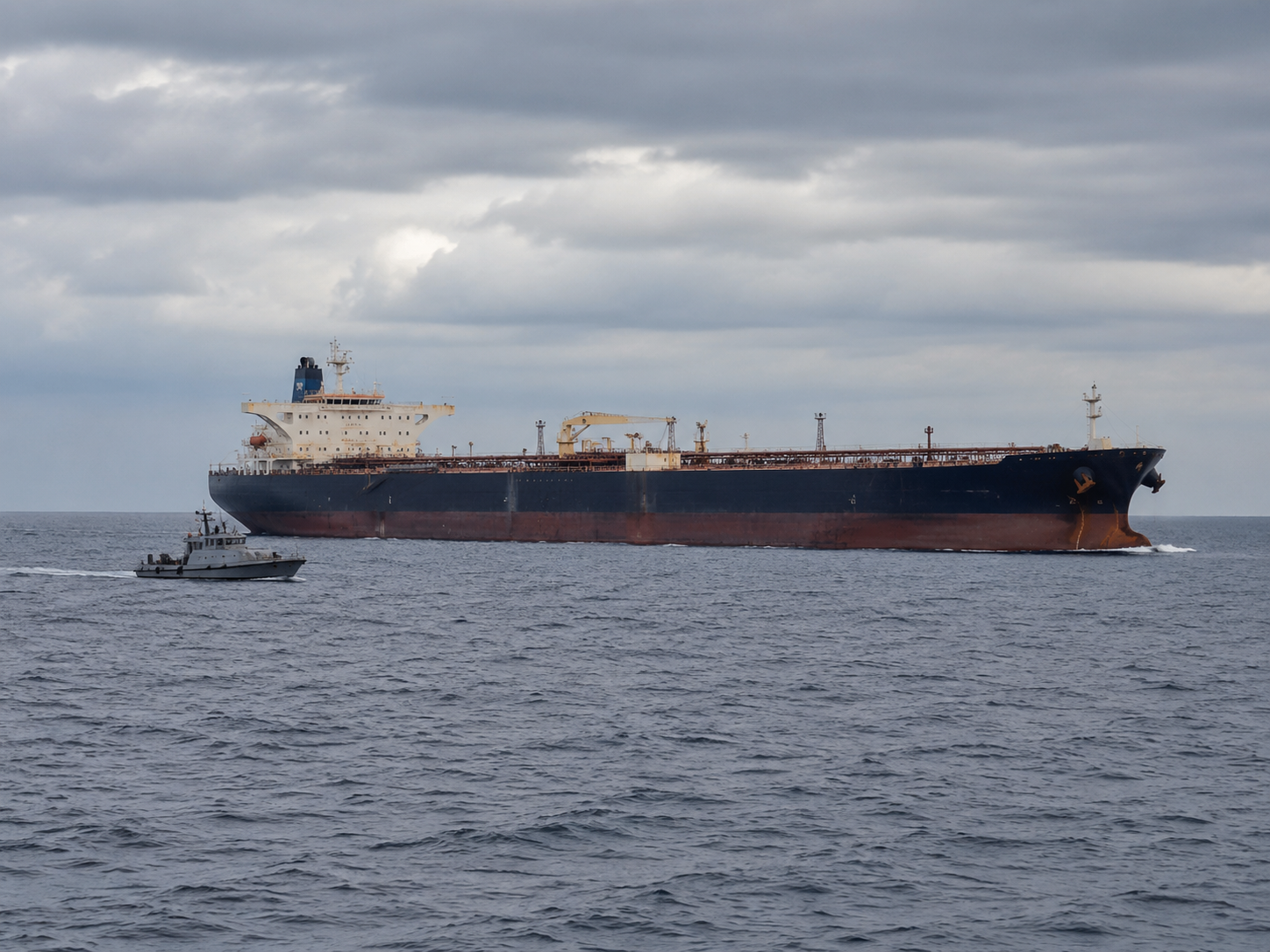
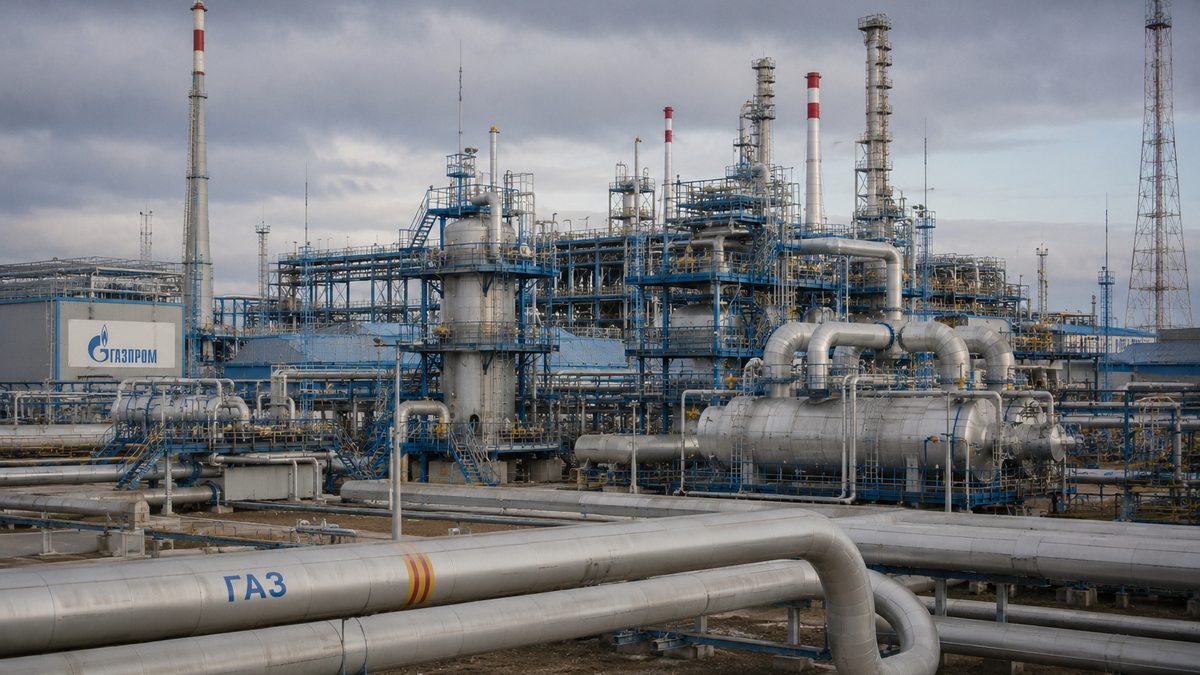
Sanctions enforcement increasingly depends on whether governments can track and challenge ships suspected of helping evade restrictions. Editorial illustration by TheDailyGlobe.
Key Facts
- France boarded and diverted a Russia-linked oil tanker in the Atlantic as part of an operation involving sanctions enforcement concerns.
- The Guardian reported that the vessel was suspected of flying a false Cameroonian flag and was being checked by French authorities.
- The European Union adopted its 20th Russia sanctions package in April 2026.
- EU materials describe the package as targeting energy, finance, trade, military-industrial activity and sanctions circumvention.
- The final legal outcome for the vessel remains unclear.
Sanctions often sound like paperwork: lists, legal notices, frozen assets and trade rules. France's action against a Russia-linked oil tanker in the Atlantic showed the other side of enforcement. Sometimes the pressure moves onto the water.
French naval forces boarded and diverted a tanker linked to Russia as part of an operation tied to sanctions and maritime enforcement concerns. The action put renewed attention on Russia's so-called shadow fleet, a loose network of tankers that Western governments say helps Moscow move oil despite restrictions tied to the war in Ukraine.
The case matters because oil revenue remains one of the central targets of Western sanctions. If governments cannot track ships, verify flags or challenge suspected evasion routes, sanctions can look strong on paper while losing force at sea.
Why A Tanker Became The Story
The Guardian reported that the tanker, identified as the Tagor, was detained in international waters west of Brittany and was linked to Russia. French officials said the operation was aimed at checking the vessel's nationality after concerns that it was flying a false flag.
The flag question matters because ships depend on national registration to operate legally. A vessel's flag can affect oversight, insurance, port access and enforcement. When authorities believe a tanker is using irregular paperwork or changing flags to avoid scrutiny, the issue becomes more than a technical maritime dispute.
French President Emmanuel Macron framed the operation as part of an effort to stop ships from bypassing sanctions. Russia criticized the seizure, and its objection should be understood as Moscow's position, not as a settled legal conclusion. The public record does not yet establish whether the tanker will face formal penalties or be released after further checks.
The Shadow Fleet Problem
Western governments have used the phrase shadow fleet to describe vessels they believe are helping Russia move oil around sanctions and price restrictions. The basic concern is straightforward: if Russian oil keeps moving through hard-to-track ships, the financial pressure on Moscow is weaker.
That does not mean every vessel linked to Russia has violated sanctions. Ownership, management, flag status, cargo, insurance and route history all matter. In this case, the careful wording is important: France acted against a Russia-linked tanker suspected of sanctions-related issues, but the final legal determination had not been publicly resolved.
For shipping companies and insurers, these cases create real risk. A tanker may be delayed, diverted or investigated. A company doing business around Russian oil may face more questions about paperwork, ownership and compliance. Energy markets may not move on one ship alone, but repeated enforcement can make trade routes more complicated and costly.
How The EU Sanctions Package Fits In
The tanker action came after the European Union adopted its 20th sanctions package against Russia in April 2026. European Commission and Council materials describe the package as aimed at Russia's energy revenue, financial services, trade, military-industrial activity and efforts to get around existing restrictions.
That anti-circumvention focus is important. Sanctions are not only about banning a product or naming a company. They also depend on whether governments can detect workarounds, close loopholes and make evasion costly enough that companies, shippers and financiers decide the risk is not worth it.
Oil is especially difficult because it moves through a global system of tankers, ports, brokers, insurers, traders and flags. A cargo can change hands. A ship can change registration. A company can sit behind layers of ownership. Enforcement at sea is one way governments try to turn sanctions from declarations into practical pressure.
What Remains Unclear
Several important questions are still unanswered. French authorities had not publicly resolved whether the tanker would face formal penalties, whether the inspection would lead to a broader case or whether the vessel would be released after checks.
It is also unclear whether this action points to a larger wave of maritime enforcement or a more limited operation against one vessel. Western governments have talked for months about tightening pressure on Russia-linked shipping, but each boarding or seizure raises legal, diplomatic and operational questions.
The hardest question is whether these measures are reducing Russian oil revenue in a durable way. Sanctions can raise costs, slow transactions and scare off some companies. But measuring their effect on Moscow's income is difficult, especially when Russia can look for alternate buyers, shipping routes and intermediaries.
What To Watch Next
The next test is what France and EU officials say after the inspection. If authorities announce penalties, publish new vessel details or connect the case to a wider enforcement campaign, the seizure could become part of a more visible maritime pressure strategy.
Russia's response also matters. Moscow has criticized Western actions against Russia-linked vessels before, and more boardings could sharpen the argument over what counts as lawful sanctions enforcement at sea.
For readers, the larger point is simple: the economic front of the Ukraine war is not only fought through sanctions packages in Brussels, Paris or Washington. It also runs through tankers, flags, insurance documents and patrol vessels far from shore.
Reporting note: Reporting draws on international reporting, official European Union sanctions records, European Commission materials, Council of the European Union materials, and reviewed background materials. This article was produced with AI-assisted research and reviewed by an editor before publication.