Ethiopia's Election Moves Forward As Insecurity Leaves Parts Of The Vote Unsettled
Ethiopians voted in national elections, but insecurity disrupted some polling stations and left questions about final results, turnout and political response.
Save Article
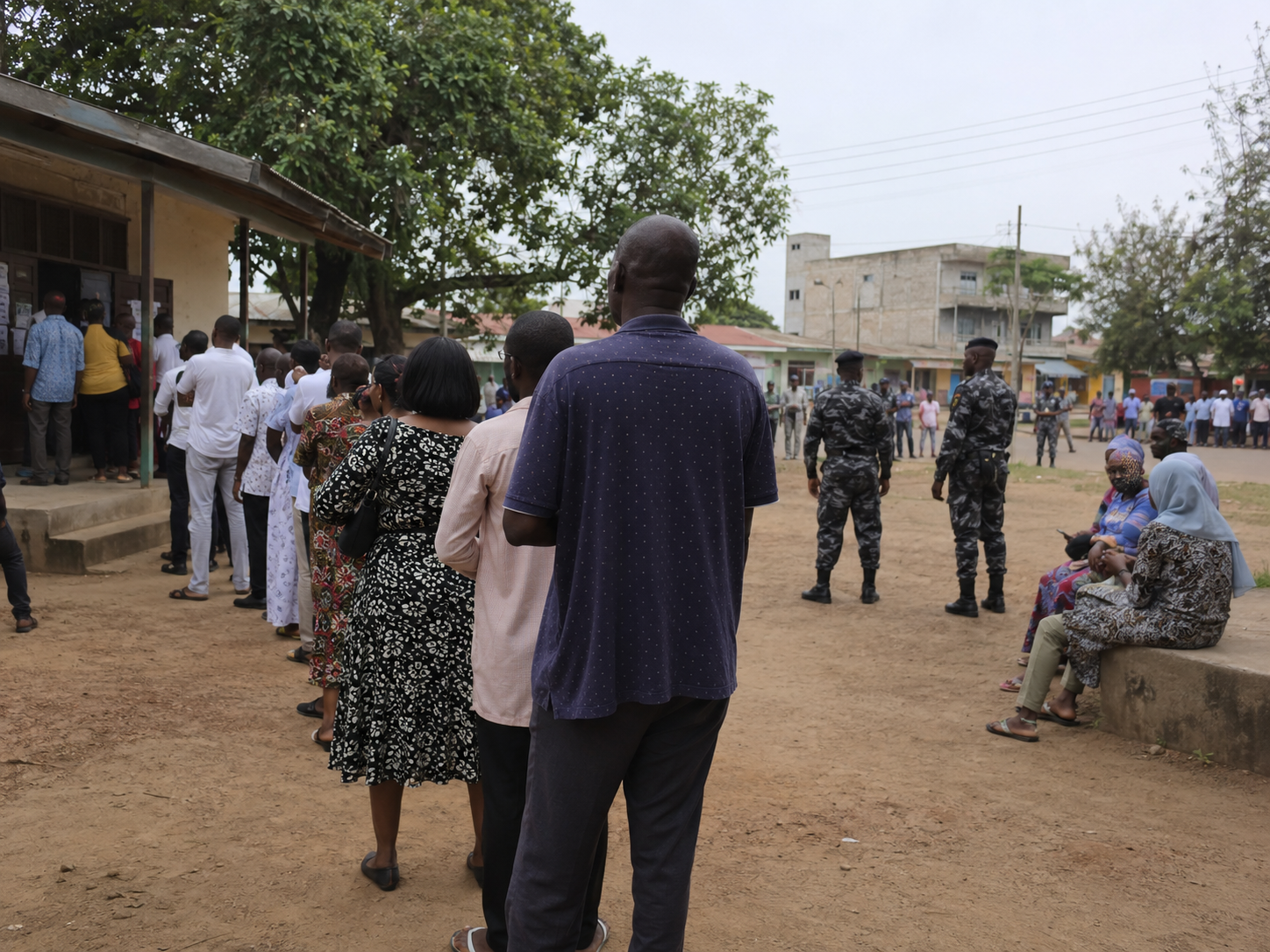
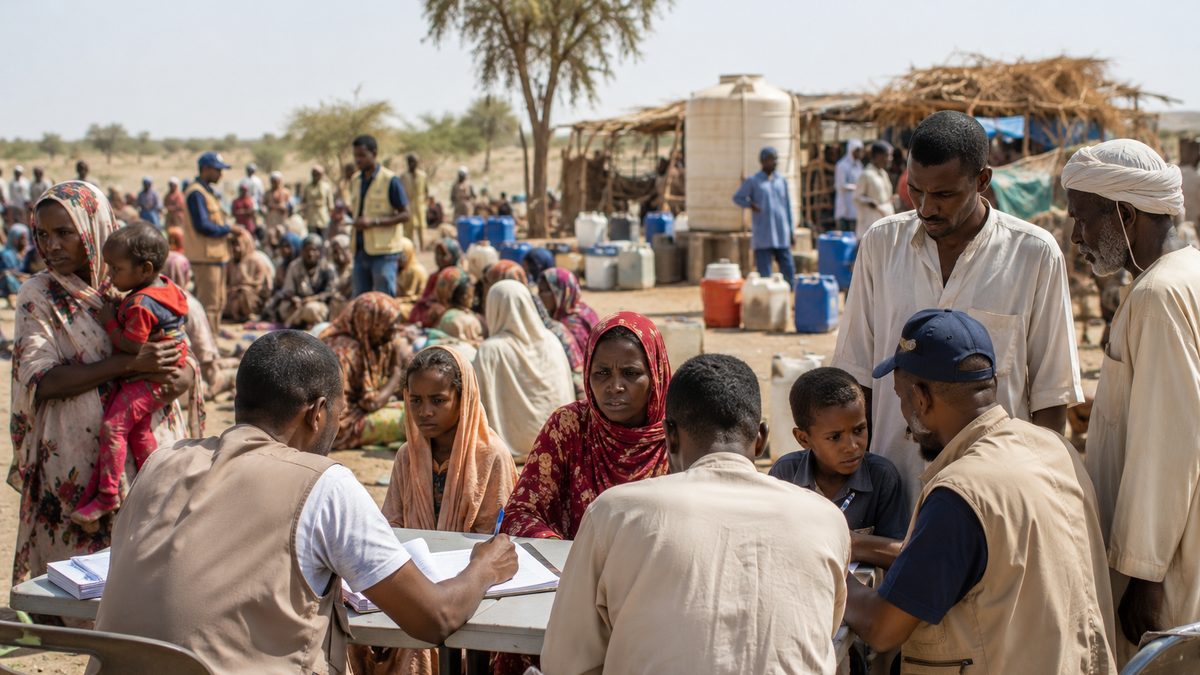
Ethiopia's election moved forward, but insecurity and unresolved political questions kept parts of the vote unsettled. Editorial illustration by TheDailyGlobe.
Key Facts
- Ethiopians voted on June 1 in national elections.
- The Associated Press reported that insecurity disrupted voting in some polling stations, including in Oromia and Amhara.
- AP reported that the ruling Prosperity Party was widely expected to secure a majority.
- The Reporter Ethiopia reported June 2 election coverage including turnout claims attributed to Ethiopia's election board.
- Final certified results and the handling of disrupted polling stations remained unclear.
Ethiopians cast ballots this week in a country where elections are never only about counting votes. They are also about security, regional tensions, public trust and whether a large, influential state can move through a national vote without deepening old fractures.
Voting went forward on June 1 in national elections, but insecurity disrupted some polling stations, including in Oromia and Amhara, according to the Associated Press. The ruling Prosperity Party was widely expected to secure a majority, but final certified results and the handling of disrupted polling remained unresolved.
The vote matters beyond Ethiopia's borders. Ethiopia is Africa's second-most populous country and hosts the African Union headquarters in Addis Ababa. Its political stability affects diplomacy, regional security, migration pressures and humanitarian concerns across East Africa.
Where Voting Was Disrupted
AP reported that security incidents affected polling stations in Oromia and Amhara, two regions that have faced unrest and political tension. Voting resumed at some affected sites, but not all of them, according to the reporting.
That distinction matters. An election can proceed nationally while still leaving important local questions unresolved. If some voters could not cast ballots, election officials may need to explain whether there will be another voting opportunity and how any missed polling stations will be handled.
The full effect of the disruptions is not yet clear. A small number of polling problems may not change the national outcome, especially if one party is already expected to win a majority. But unresolved disruptions can still affect how opposition parties, observers and voters judge the process.
Why Ethiopia's Vote Matters Regionally
Ethiopia's size and location give its elections wider importance. The country sits at the center of the Horn of Africa, a region already shaped by conflict, migration, food insecurity, Red Sea trade concerns and fragile relations among neighboring governments.
Addis Ababa is also home to the African Union, making Ethiopia a diplomatic center as well as a national political story. A stable political process can strengthen Ethiopia's regional role. A disputed or unsettled one can add pressure to an already complicated neighborhood.
For U.S. readers, the connection is indirect but real. Ethiopia's stability can affect humanitarian operations, regional diplomacy, security partnerships and migration patterns. That does not mean every Ethiopian election development has immediate consequences for Americans, but it does make the vote worth understanding.
The Ruling Party Was Expected To Lead
AP reported that Prime Minister Abiy Ahmed's Prosperity Party was widely expected to secure a majority of legislative seats. Ethiopia's system allows voters to choose members of the House of Representatives, who then vote to select the prime minister.
That expectation should not be treated as a certified result. Until election authorities complete and certify the count, the outcome remains official only to the extent reported by the election board and later confirmed through formal results.
The Reporter Ethiopia reported June 2 coverage including turnout claims attributed to the National Election Board of Ethiopia. Turnout numbers, like results, should be read as official claims until they are fully verified or assessed by observers.
What Remains Unclear
Several major questions remain. The first is the final certified result. The second is whether voters at disrupted polling stations will get another chance to cast ballots. The third is how opposition parties, civil society groups, observers and regional actors will respond.
Claims about fairness, opposition suppression or legitimacy need careful attribution. Opposition parties, rights groups or observers may raise concerns, while election officials may defend the process. Those positions should be reported separately rather than blended into one conclusion.
The most important test may come after the vote count. Elections do not end when polls close. They continue through certification, challenges, observer assessments and public acceptance or rejection of the result.
What To Watch Next
The next step is certification of results. Official totals will show the scale of the ruling party's win, the performance of opposition parties and whether any disrupted areas require special handling.
Observer assessments and opposition responses will also matter. If concerns are specific and evidence-backed, they could shape how the election is viewed inside Ethiopia and abroad. If authorities address disruptions clearly, that may reduce uncertainty around the process.
For now, Ethiopia's election is best understood as both a vote and a stability test. Ballots were cast, but the final political meaning will depend on certified results, disrupted polling, and whether the process is accepted by voters and political actors after the count.
Reporting note: Reporting draws on wire reporting, Ethiopian local reporting, regional election analysis, official election-board statements, and reviewed background materials. This article was produced with AI-assisted research and reviewed by an editor before publication.