Ebola Outbreak in Congo Shows Why Conflict Makes Disease Harder to Contain
WHO has declared an Ebola Bundibugyo outbreak in DRC and Uganda a public health emergency, while warning that insecurity and movement make response harder.
Save Article
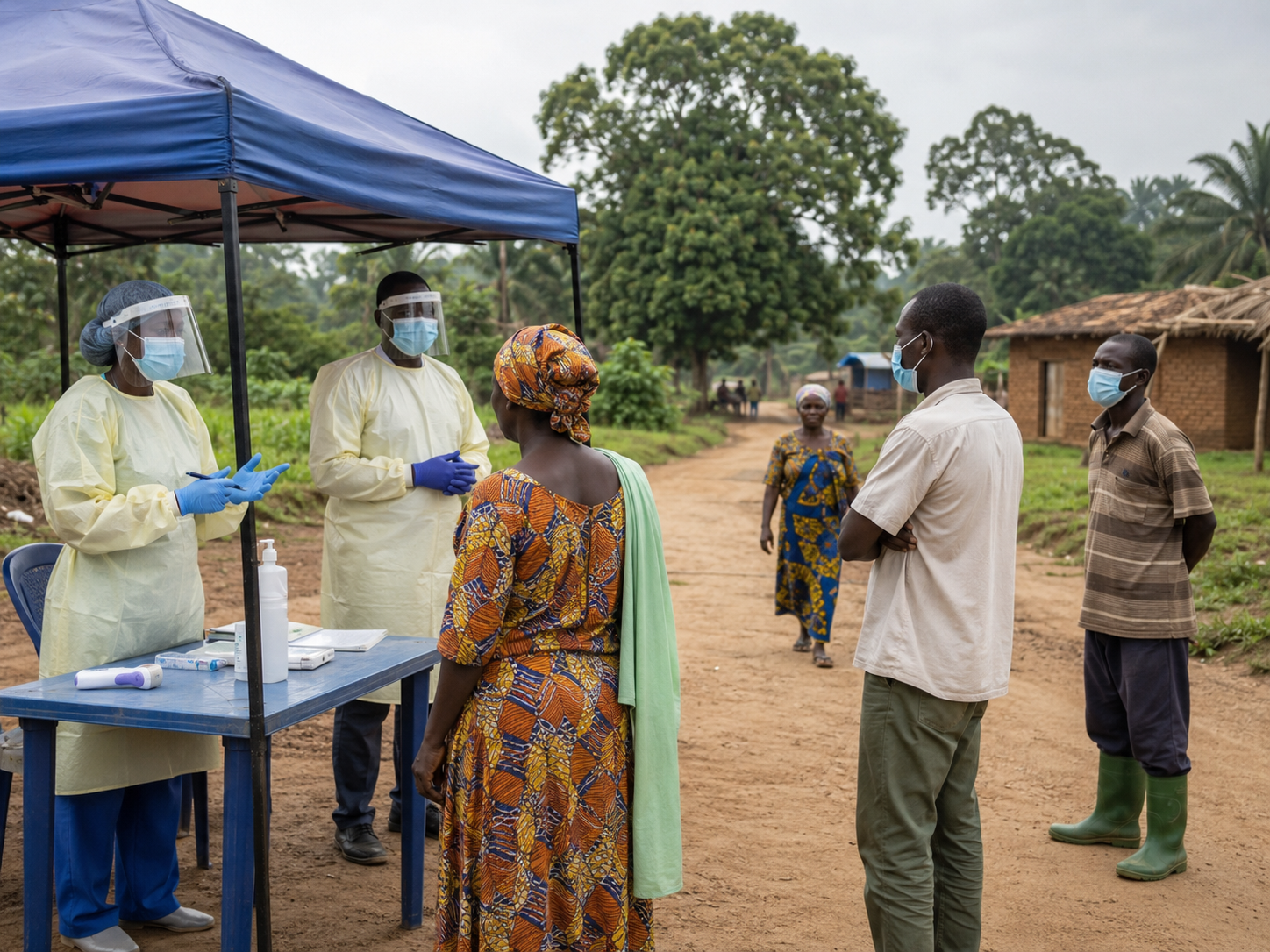
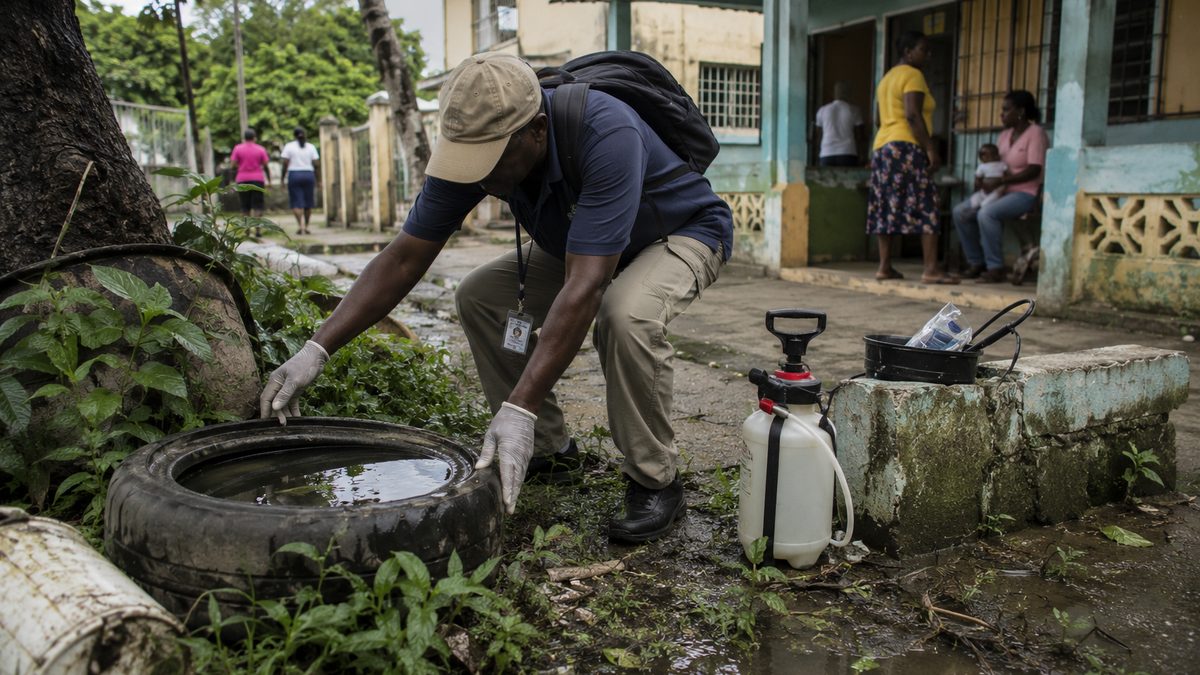
Containing an outbreak depends on trust, access and health workers reaching people before the disease spreads further. Editorial illustration by TheDailyGlobe.
Key Facts
- DRC and Uganda confirmed Ebola disease caused by Bundibugyo virus in May 2026.
- WHO determined the outbreak is a Public Health Emergency of International Concern.
- WHO said there is no licensed vaccine or specific treatment for Bundibugyo virus disease, though supportive care can save lives.
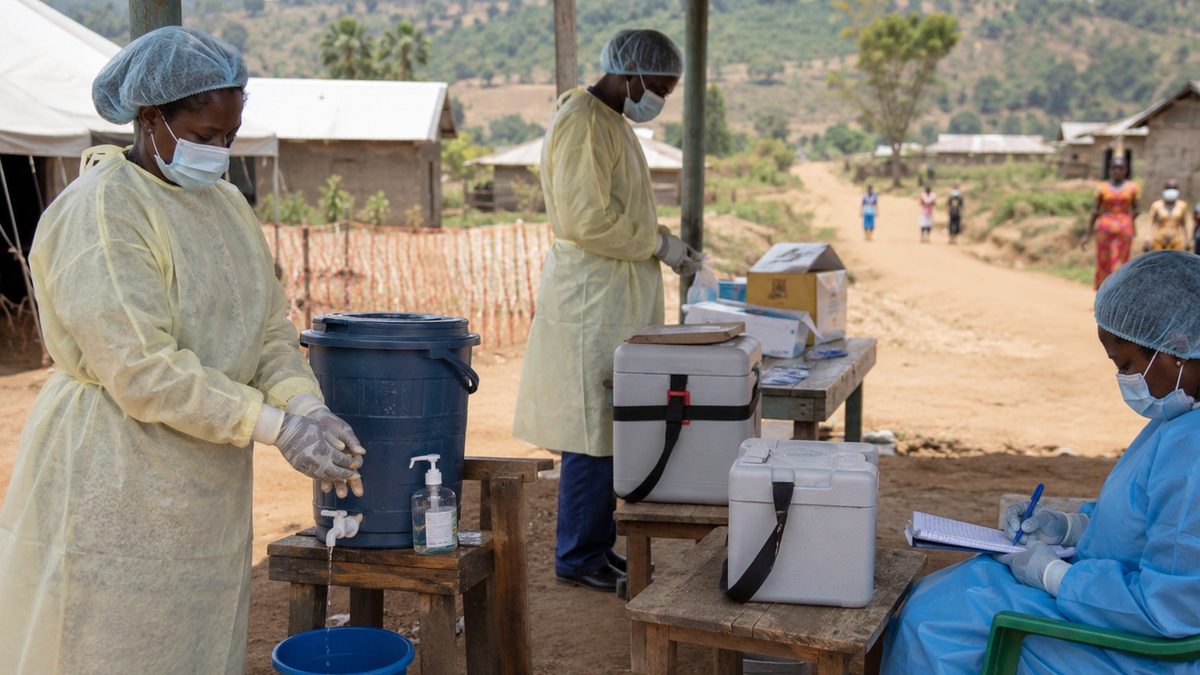
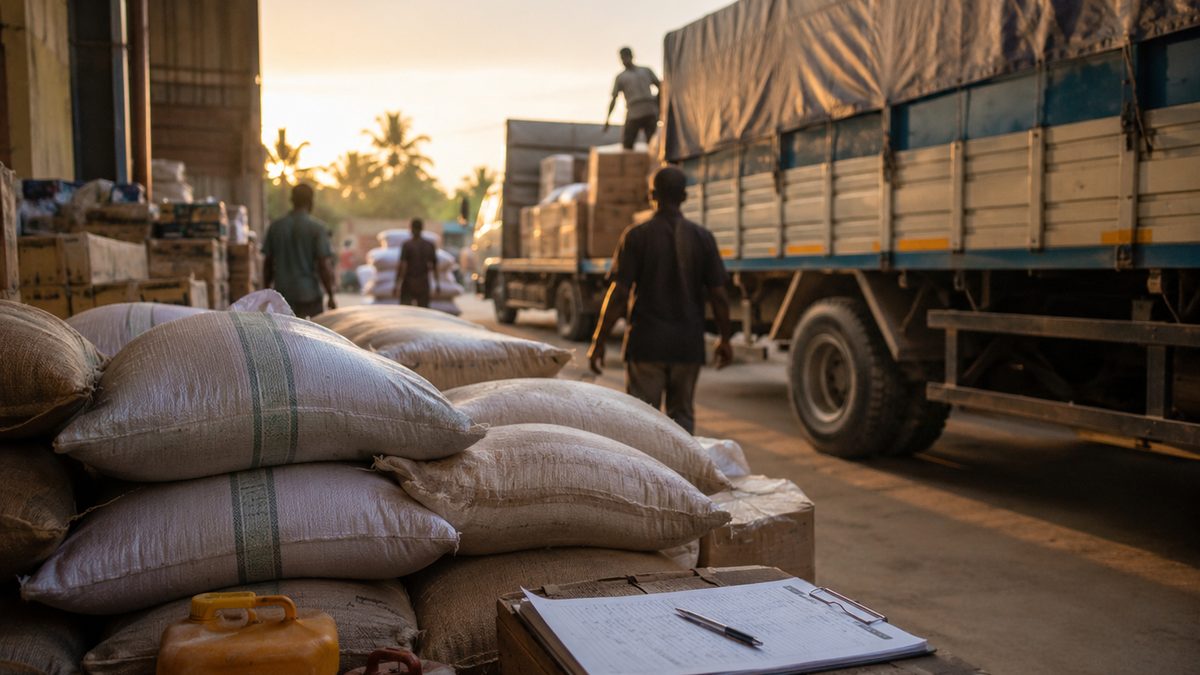
- WHO and partners are scaling surveillance, contact tracing, clinical preparedness, supply delivery and community engagement.
- The outbreak is occurring in a difficult setting marked by insecurity, humanitarian pressure and cross-border movement.
Stopping an outbreak is not only about medicine. It also depends on whether health workers can reach people, whether communities trust the response, whether patients can get care quickly and whether families are able to avoid risky movement while still finding food, work and safety.
Those challenges are now central to the Ebola Bundibugyo outbreak confirmed in the Democratic Republic of the Congo and Uganda. The World Health Organization has determined that the outbreak constitutes a Public Health Emergency of International Concern, a designation meant to activate international coordination and support. WHO has also said the event does not meet the criteria for a pandemic emergency.
What Was Confirmed
On May 15, health authorities in DRC and Uganda declared outbreaks after confirmation of Ebola disease caused by Bundibugyo virus. WHO reporting says the DRC outbreak followed laboratory confirmation in samples, while Uganda confirmed an imported case linked to DRC.
The outbreak is tied to northeastern DRC, including Ituri Province, and has involved cross-border concern because people move for care, trade, work and family reasons. That movement is one reason international health agencies are treating the response as more than a local emergency.
WHO’s emergency determination does not mean the outbreak is a pandemic. It means the situation requires coordinated international action because the disease has crossed borders, the response is difficult and delays could make containment harder.
Why This Outbreak Is Hard To Control
Ebola response depends on speed and trust. Health teams need to identify cases, isolate patients safely, trace contacts, monitor people who may have been exposed and explain risks clearly enough that communities cooperate rather than hide symptoms or avoid care.
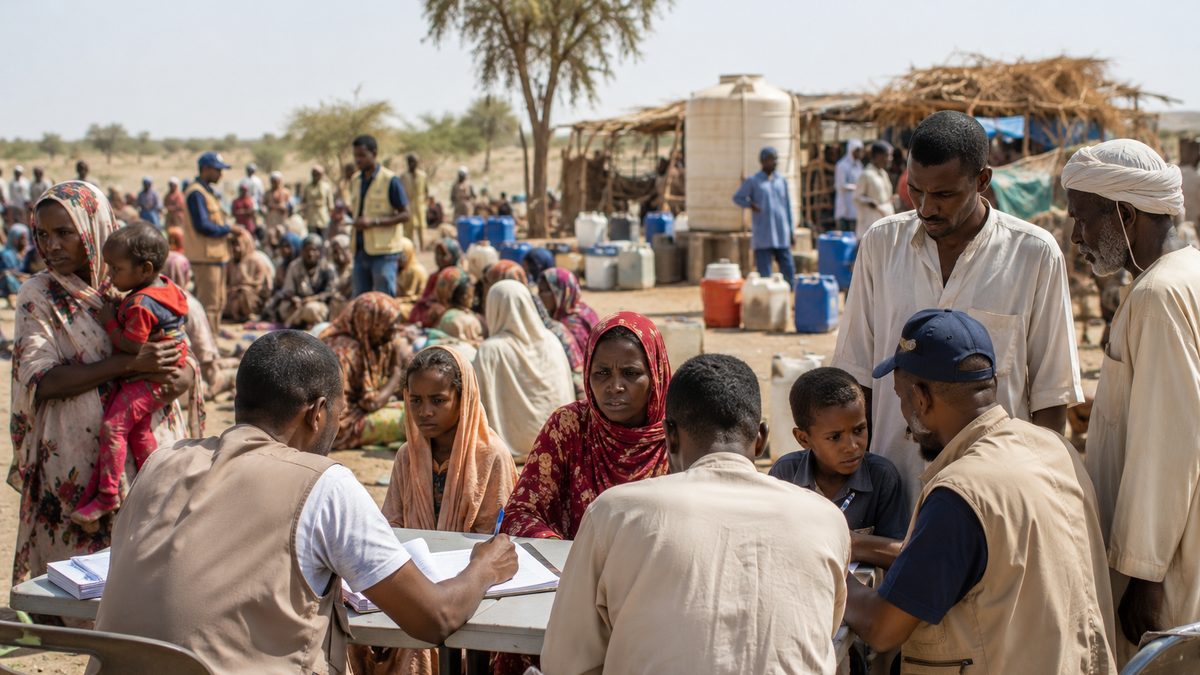
That work becomes harder where insecurity limits access. WHO has described the outbreak setting as a complex mix of humanitarian crisis, remote and densely populated areas, insecurity and high population and trade movement. In plain terms, responders are not working in a quiet, easy-to-reach setting.
Conflict and displacement can also weaken the basics that help contain disease: clinics, transportation, supplies, safe burial practices, reliable communication and enough trained staff. When families are already under pressure, public health advice may compete with immediate needs such as safety, food, shelter or income.
The Treatment Gap Matters
The virus involved is Bundibugyo, a species of Ebola for which WHO says there is no licensed vaccine or specific treatment. That does not mean care is useless. WHO has emphasized that supportive care can be lifesaving, especially when patients receive it early.
Supportive care can include treating dehydration, managing symptoms, monitoring complications and keeping patients in settings that reduce spread to family members, health workers and the wider community. The earlier people seek care, the better the chance that health teams can both help the patient and slow transmission.
WHO and partners are also working on preparedness for possible research and countermeasure efforts, including strengthening laboratory capacity, clinical readiness and systems that could support future vaccine or therapeutic studies. The available public reporting does not show that a licensed Bundibugyo vaccine is ready for use.
Why Readers Outside The Region Should Pay Attention
This is not a reason for panic. It is a reminder that disease threats are easier to contain when health systems are strong, communities trust responders and early warnings are acted on quickly.
For readers far from Central Africa, the lesson is practical. Outbreak response in one region can require international coordination because disease does not follow borders, and because trade, travel, displacement and health-care seeking can connect communities faster than response systems can sometimes move.
The outbreak also shows why humanitarian conditions matter to global health. When conflict limits access to care or forces people to move, even a well-known disease can become harder to track and harder to stop.
What Remains Unclear
Several important questions remain open. The current outbreak trajectory could change as surveillance improves and more contacts are followed. Case totals can also shift as suspected cases are investigated and laboratory results are confirmed.
It is also unclear how much insecurity will limit contact tracing, safe care and community outreach in specific health zones. Those access questions may shape the response as much as any single medical tool.
The next developments to watch are WHO updates, cross-border surveillance between DRC and Uganda, funding for response teams, contact tracing progress and whether health workers can reach affected communities quickly enough to contain spread without turning public fear into public confusion.
Reporting note: Reporting draws on World Health Organization outbreak reports, WHO Africa updates, United Nations humanitarian materials, and reviewed global health context. This article was produced with AI-assisted research and reviewed by an editor before publication.