Congo Ebola Outbreak Tests Health Response in a Conflict Zone
WHO says the Ebola outbreak in DRC and Uganda is an international public-health emergency, with conflict, distrust and cross-border movement complicating the response.
Save Article
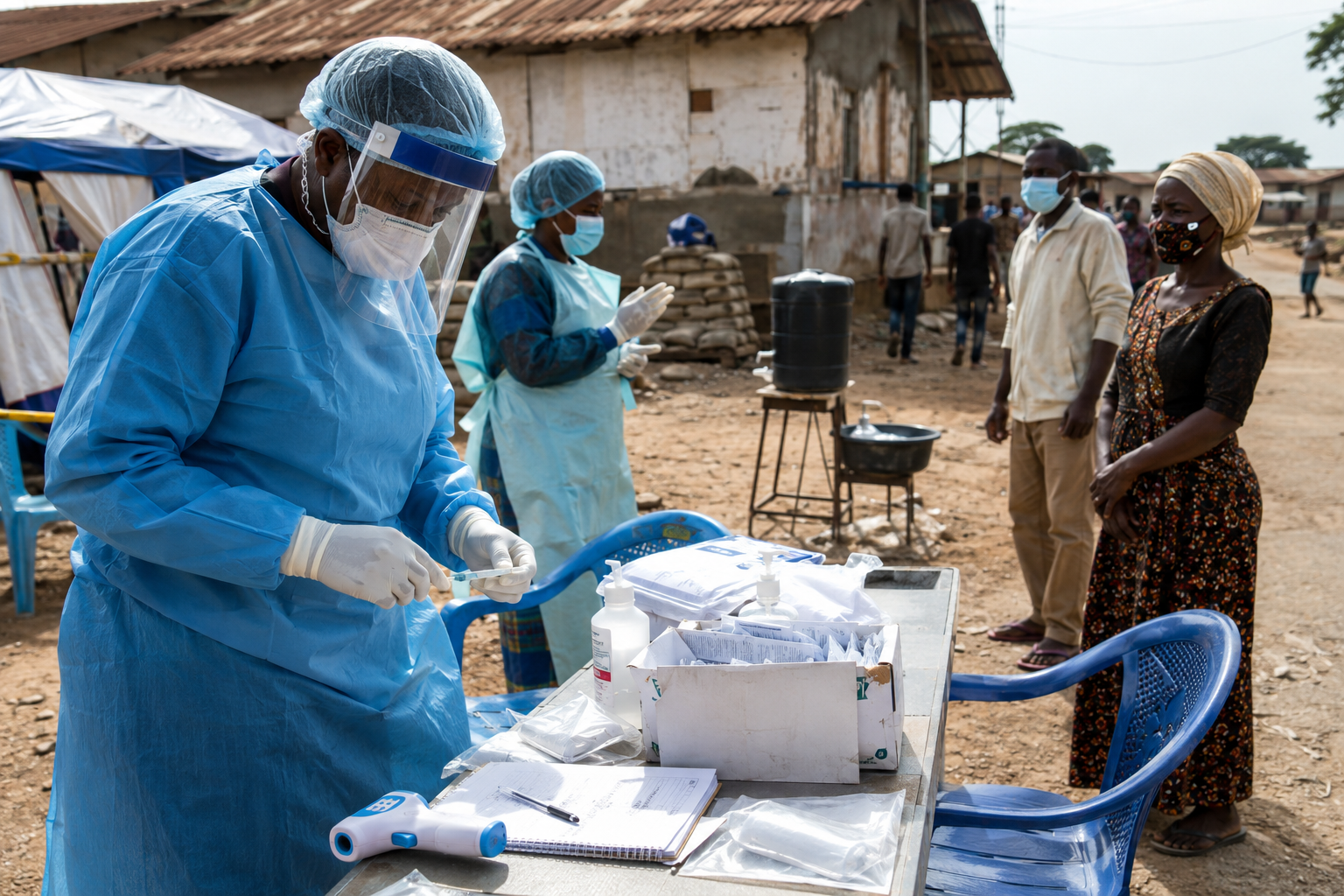
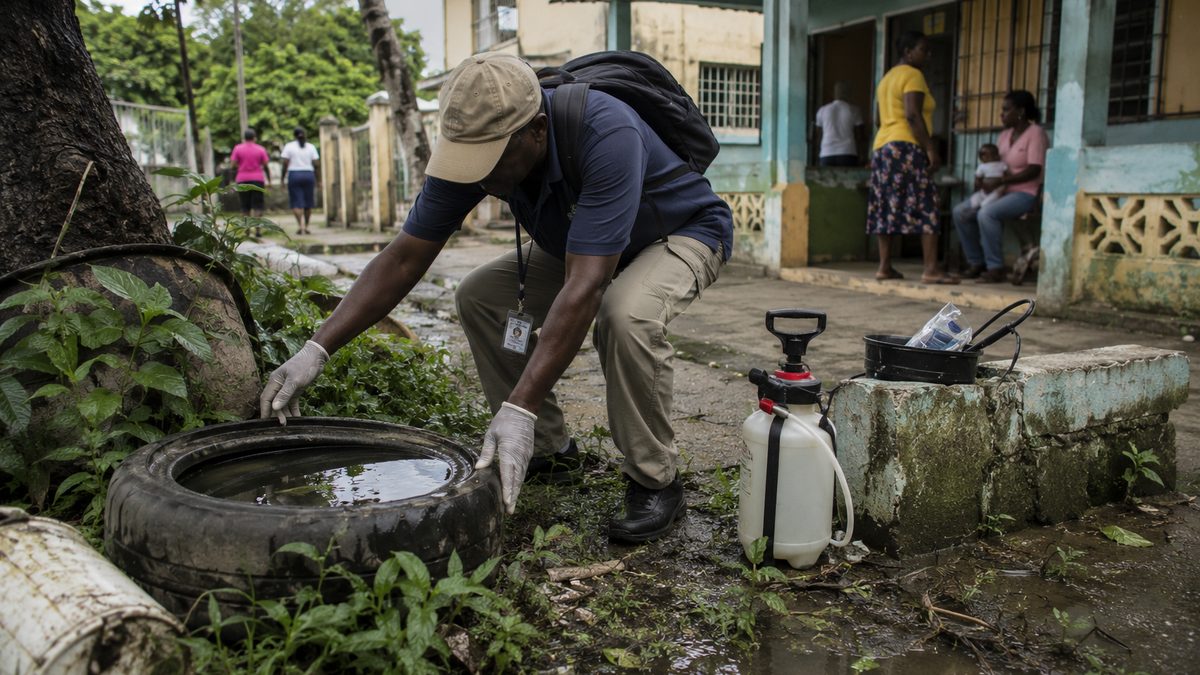
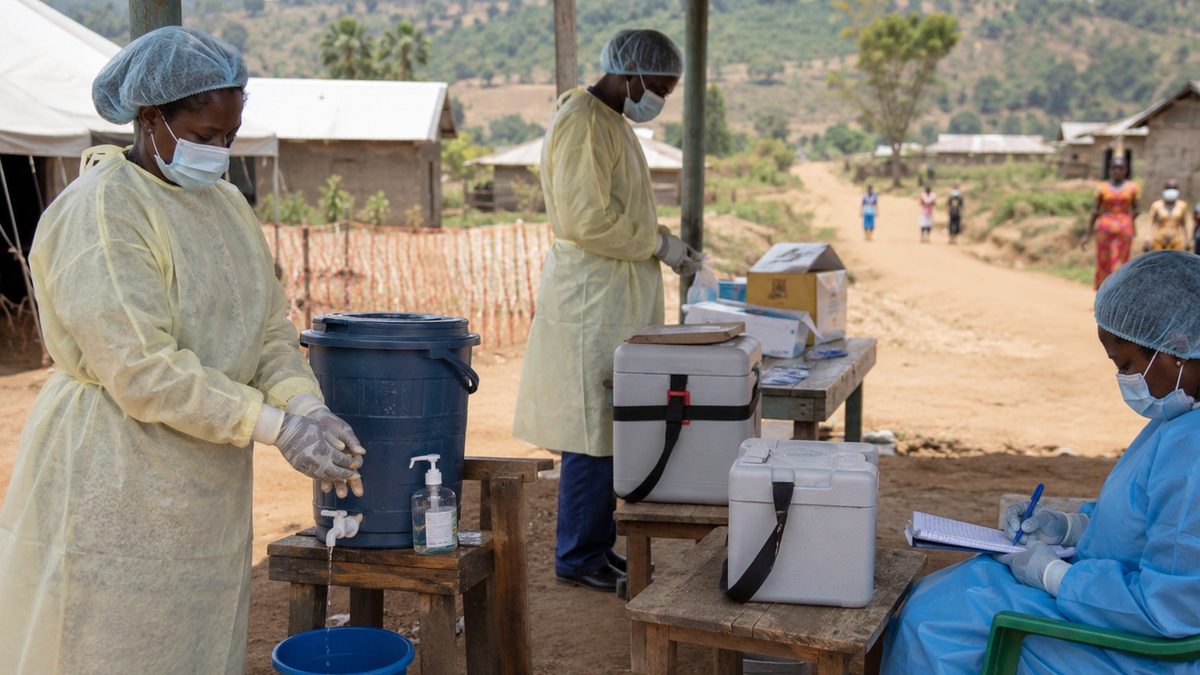
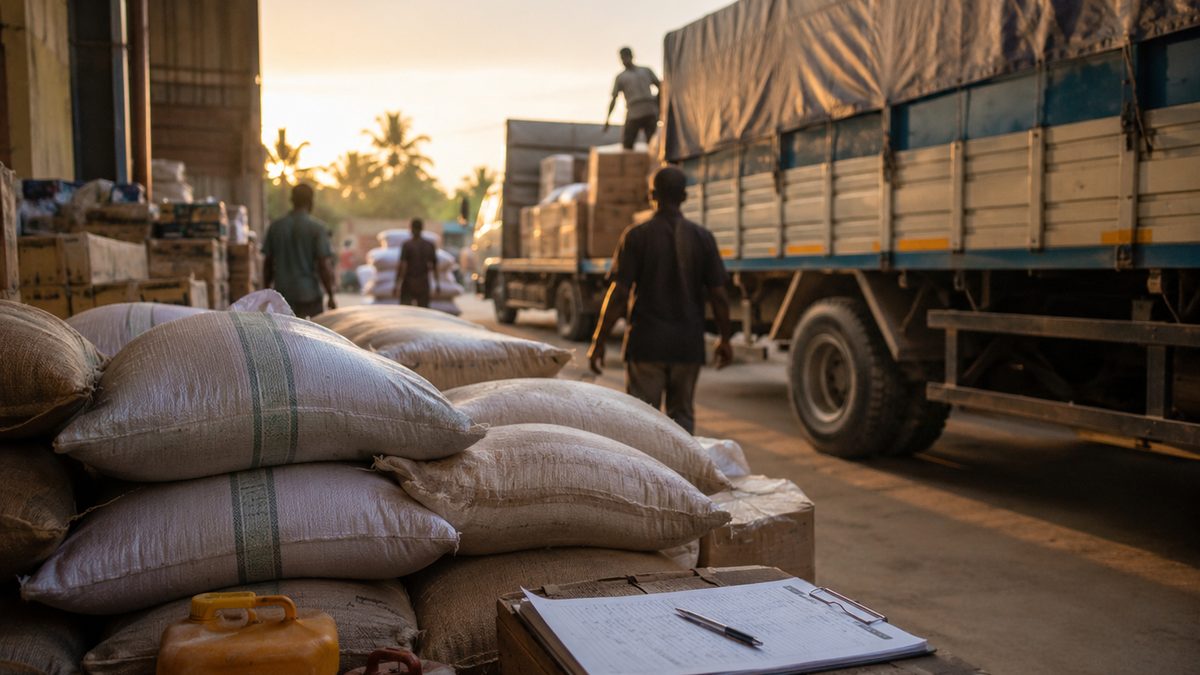
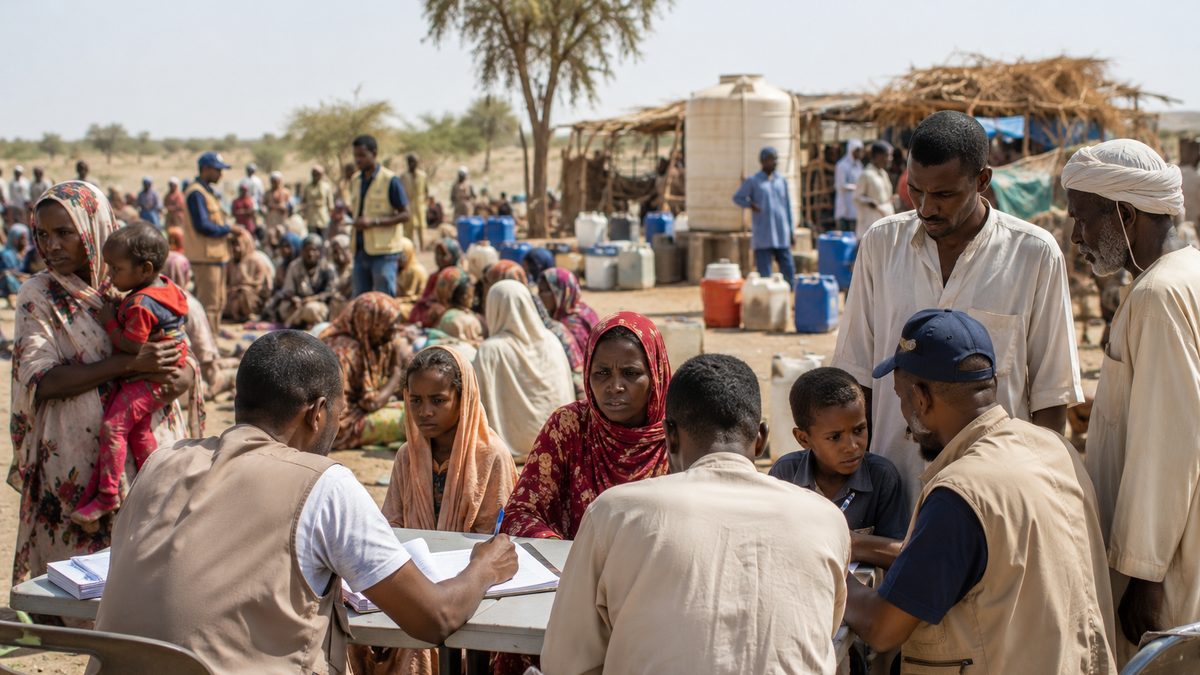
WHO says the Ebola outbreak in DRC and Uganda is an international public-health emergency, with conflict, distrust and cross-border movement complicating the response. Editorial illustration by TheDailyGlobe.
Key Facts
- WHO said the Ebola outbreak caused by Bundibugyo virus in DRC and Uganda constitutes a Public Health Emergency of International Concern.
- WHO said the outbreak was confirmed in May 2026 and involves the Bundibugyo species, for which there is no vaccine or specific treatment.
- WHO Africa said the outbreak is centered in northeastern DRC’s Ituri Province and has spread across the border to Uganda.
- UNICEF said it is scaling up efforts to protect children and families after outbreaks in DRC and Uganda.
- AP reported attacks on health facilities and growing community anger amid the outbreak.
An Ebola outbreak in the Democratic Republic of the Congo and Uganda is testing whether public-health teams can contain a dangerous virus in places already strained by conflict, distrust and weak health systems.
WHO said the outbreak, caused by the Bundibugyo virus, constitutes a Public Health Emergency of International Concern. The agency said the outbreak was confirmed in DRC and Uganda in May 2026 and involves an Ebola species for which there is no vaccine or specific treatment.
For readers, the story is serious but should not be framed as panic. Ebola can be deadly, but outbreaks are contained through fast detection, safe care, contact tracing, community trust, safe burials and protection for health workers. The harder part here is that the response is unfolding in areas where insecurity and anger can slow the very steps needed to stop transmission.
Why This Outbreak Is Hard to Contain
Ebola response depends on speed and trust. Health teams need to find cases, isolate patients safely, trace contacts, support families and explain why certain precautions matter. If people fear treatment centers, distrust authorities or believe bodies are being mishandled, containment becomes much harder.
AP reported attacks on health facilities and growing community anger amid the outbreak. Those reports should be understood as part of the response challenge, not as a reason to stigmatize affected communities. In outbreaks, fear and grief can collide with public-health rules, especially when families are dealing with death, isolation and limited information.
The Guardian reported that WHO warned the spread was outpacing response efforts. That does not mean containment is impossible. It means the outbreak is moving faster than health teams can comfortably manage, at least based on the latest source material.
The Bundibugyo Strain Matters
WHO identified the outbreak as Ebola disease caused by Bundibugyo virus. That detail matters because not every Ebola species has the same tools available.
WHO said there is no vaccine or specific treatment for this species. That leaves response teams relying heavily on basic outbreak control: identifying infections quickly, caring for patients, preventing exposure, protecting health workers and reducing unsafe contact with infected bodily fluids.
The absence of a specific vaccine or treatment also raises the stakes for surveillance. If cases are missed, the virus can move through families, health facilities and communities before responders know where the next chain of transmission is forming.
Cross-Border Spread Adds Pressure
WHO Africa said the outbreak is centered in northeastern DRC’s Ituri Province and has spread across the border to Uganda. Cross-border movement can complicate tracing because people may travel for work, family, safety, markets or medical care.
That makes coordination between health authorities important. If one side of the border detects cases faster than the other, or if communities move before contacts are traced, response teams can lose time.
UNICEF said it is scaling up efforts to protect children and families after outbreaks in DRC and Uganda. Children can be especially vulnerable in public-health emergencies because school disruption, family illness, loss of caregivers and fear around health facilities can all affect their safety and care.
What Remains Unclear
Case and death counts are changing quickly and should be checked against the latest WHO or health-ministry figures before publication. The broader uncertainty is whether response teams can get ahead of transmission before more chains of infection spread beyond confirmed surveillance.
It also remains unclear whether candidate vaccines or treatments could become available quickly enough to affect this outbreak. The available source material says there is no vaccine or specific treatment for the Bundibugyo species, so any future medical tool should not be assumed unless health authorities confirm it.
For now, the outbreak is a public-health emergency with a human and security challenge wrapped around it. The virus is dangerous, but the success of the response may depend just as much on trust, safe access to clinics, health-worker protection and whether officials can reach communities before the outbreak moves faster than the system can follow.
Reporting note: Reporting draws on WHO materials, WHO Africa updates, UNICEF statements, AP reporting, ReliefWeb materials, international reporting, and reviewed public-health context. This article was produced with AI-assisted research and reviewed by an editor before publication.