Colombia Runoff Puts a Key U.S. Partner at a Political Crossroads
Reported first-round results sent Colombia’s presidential race to a June 21 runoff, with security policy, migration, climate, and U.S. relations in the background.
Save Article
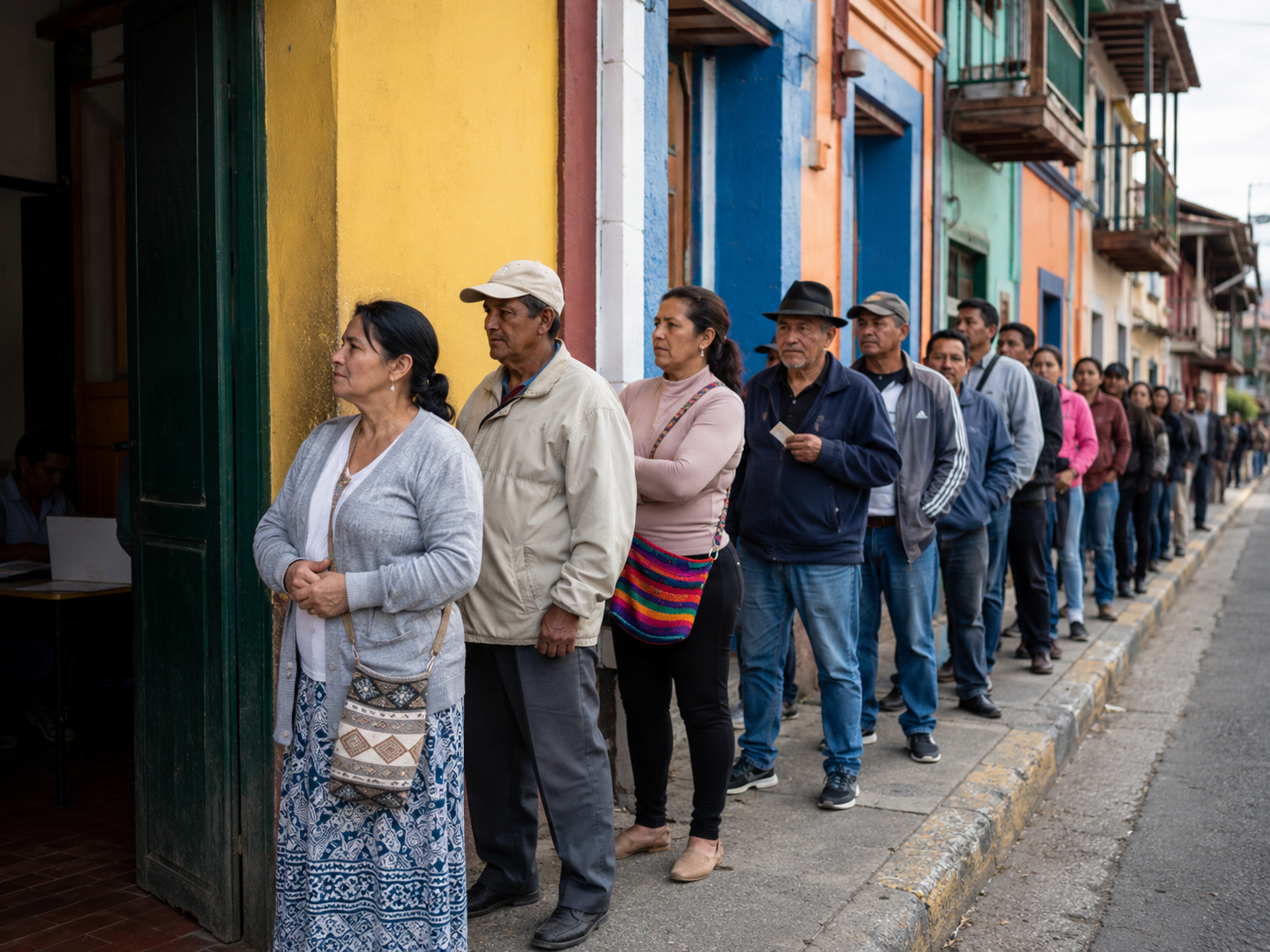
Runoff elections can turn first-round momentum into a broader test of where voters want a country to go next. Editorial illustration by TheDailyGlobe.
Key Facts
- The Guardian reported Abelardo de la Espriella led Colombia’s first round with 43.7%.
- The Guardian reported Iván Cepeda received 40.9%.
- The runoff is scheduled for June 21.
- ABC News listed an Associated Press international item on a pro-Trump candidate taking the lead in Colombia’s presidential race.
- Official certified results and any electoral challenges should be reviewed before publication.
Colombia’s next president will matter well beyond Bogotá. The country is a major U.S. partner in the hemisphere, and its political direction can affect security cooperation, migration policy, climate decisions, drug enforcement, and regional diplomacy.
That is why Colombia’s presidential race is now worth watching closely after reported first-round results sent the contest to a runoff. The Guardian reported that Abelardo de la Espriella led the first round with 43.7%, while Iván Cepeda received 40.9%. The runoff is scheduled for June 21.
The numbers point to a close second round, but they should still be treated carefully until official certification is complete. The central question now is not only who finished first. It is how candidates, parties, and voters realign before the final vote.
What Changed in the Race
The first round did not settle the election. Instead, it created a runoff between the top two reported finishers and opened a short, intense period of coalition-building before June 21.
In a runoff, candidates who did not make the final round can still shape the outcome. Their endorsements, voter blocs, party machines, and campaign messages may influence whether first-round momentum holds or whether the race changes direction.
That makes the next phase different from a simple continuation of the first round. The campaign is likely to become a test of who can broaden support, reassure skeptical voters, and turn a reported first-round showing into a governing mandate.
Why Colombia Matters to U.S. Readers
Colombia is one of the most important U.S. partners in Latin America. Its relationship with Washington touches security cooperation, counterdrug policy, migration, trade, environmental issues, and regional diplomacy.
A shift in Colombia’s presidency could affect how the country approaches policing, armed groups, drug enforcement, climate policy, and relations with neighboring governments. Those choices do not automatically change U.S. policy, but they can shape what Washington is able to do with a key regional partner.
That is the practical reason the runoff matters outside Colombia. The election is not only a domestic contest over leadership. It is also a signal about how one of the hemisphere’s central countries may position itself at a time of pressure over migration, security, and regional alignment.
The Policy Questions Behind the Vote
The campaign now moves into a sharper phase over what kind of government Colombia wants. Security policy is likely to be one of the major questions because Colombia’s internal security challenges have long shaped its relationship with the United States and with neighboring countries.
Migration is another issue with regional consequences. Colombia’s decisions can affect how governments manage movement across borders and how they coordinate with the United States and other countries in the hemisphere.
Climate policy also matters because Colombia sits at the center of environmental debates involving energy, conservation, development, and the Amazon region. The runoff winner may influence how the country balances economic needs with climate and conservation commitments.
What Remains Unclear
Several things remain unsettled. It is not yet clear whether official certified results will fully match preliminary reporting. It is also unclear how rejected candidates and parties will line up before the runoff.
Any allegations about voting irregularities should be attributed carefully and weighed against responses from electoral authorities. Claims about problems in an election can affect public trust, but they should not be treated as established fact without official confirmation or strong evidence.
The short runoff calendar adds pressure. Campaigns have limited time to win over voters who backed other candidates, while election officials and observers may face scrutiny over how the final vote is administered.
What to Watch Before June 21
The clearest next steps are official certification, candidate endorsements, runoff polling, and any formal response to irregularity claims. Those signals will show whether the first-round leader can hold the advantage or whether the second-place campaign can build a broader coalition.
For readers outside Colombia, the runoff is a useful moment to watch how a major U.S. partner debates security, migration, climate, and its place in the region. The result may not answer every policy question immediately, but it will help show where Colombia’s voters want the country to move next.
Reporting note: Reporting draws on international election reporting, Associated Press-listed coverage, and reviewed background materials. This article was produced with AI-assisted research and reviewed by an editor before publication.