Asia Braces For El Nino As Heat, Water And Food Risks Build
WMO says El Nino is likely to develop in 2026, raising practical concerns across Asia about heat, rainfall, crops, water supplies and public health.
Save Article
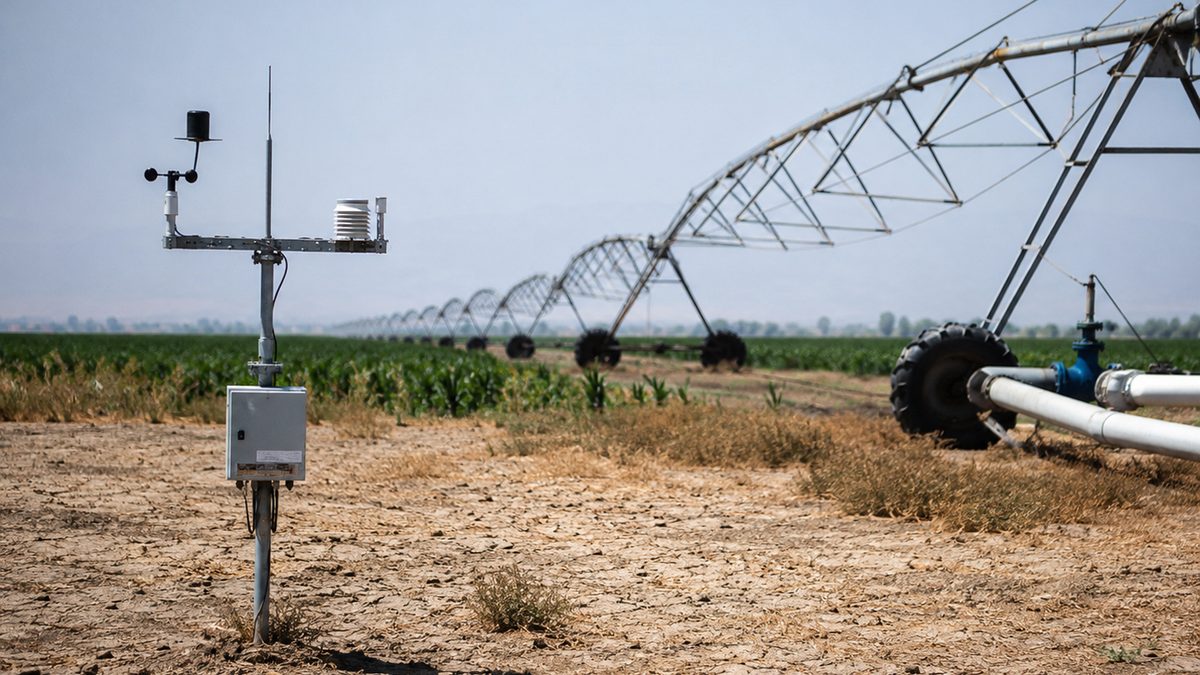
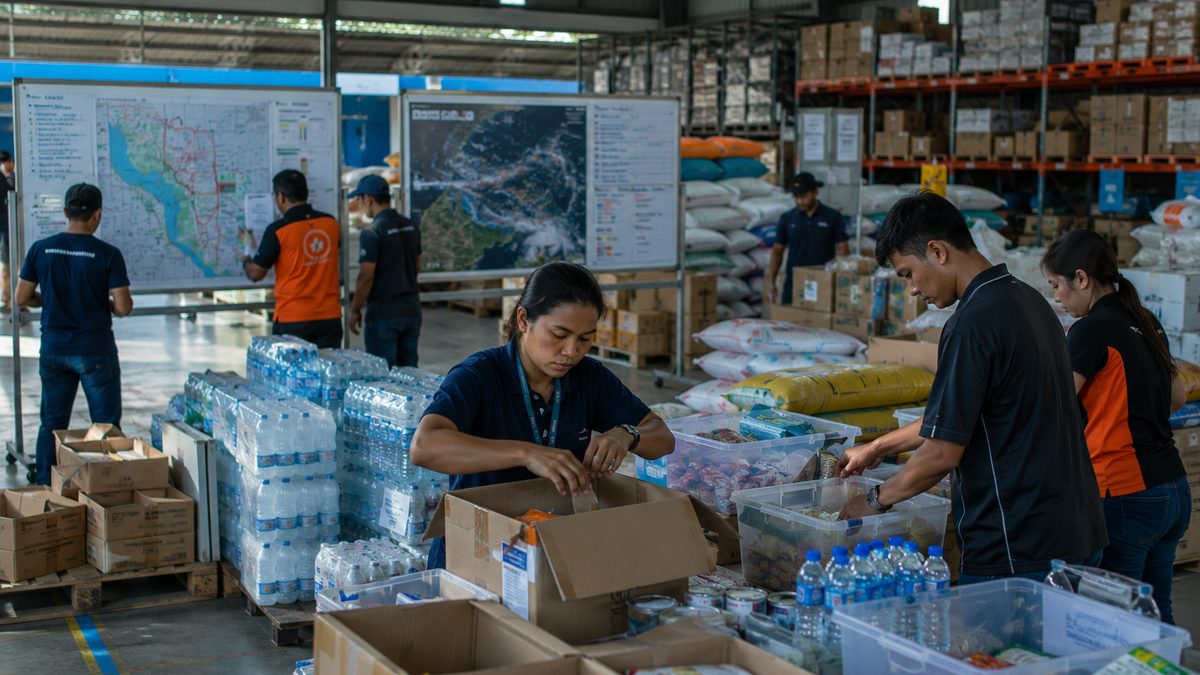
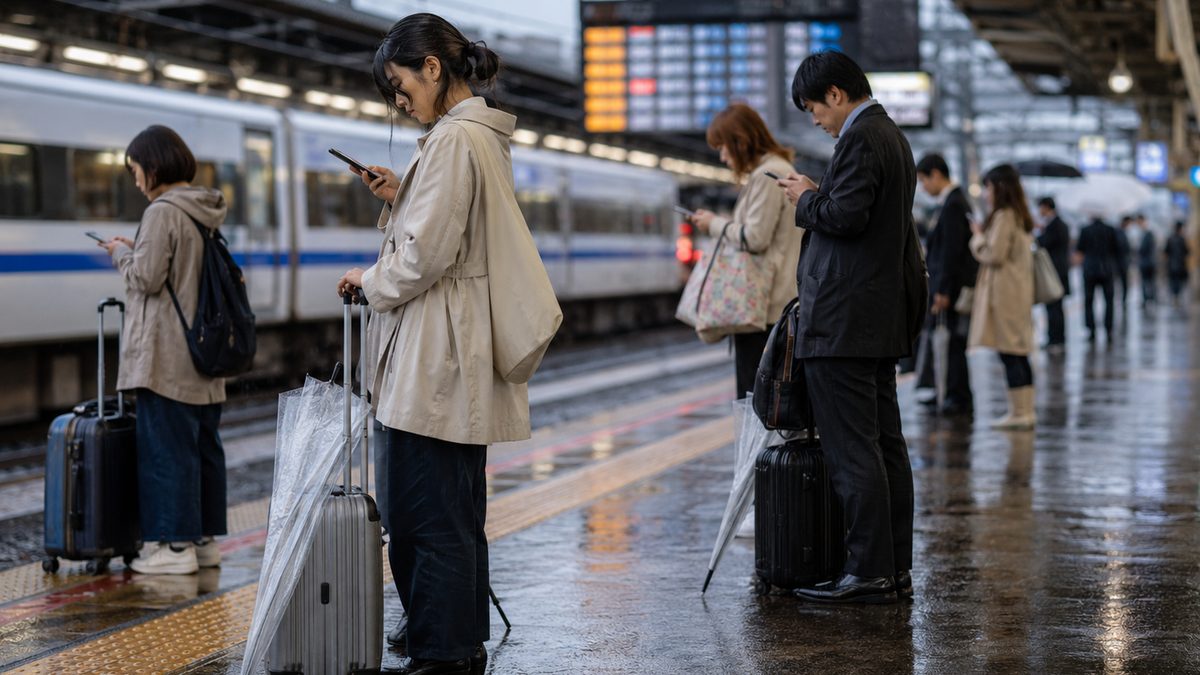
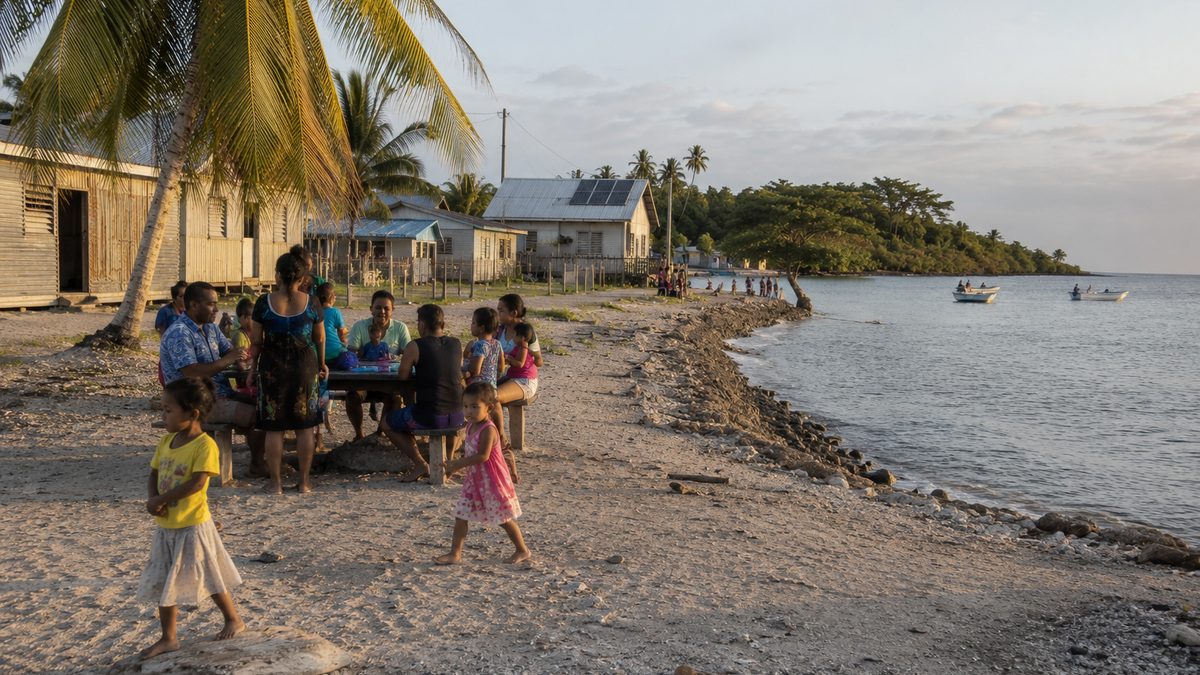
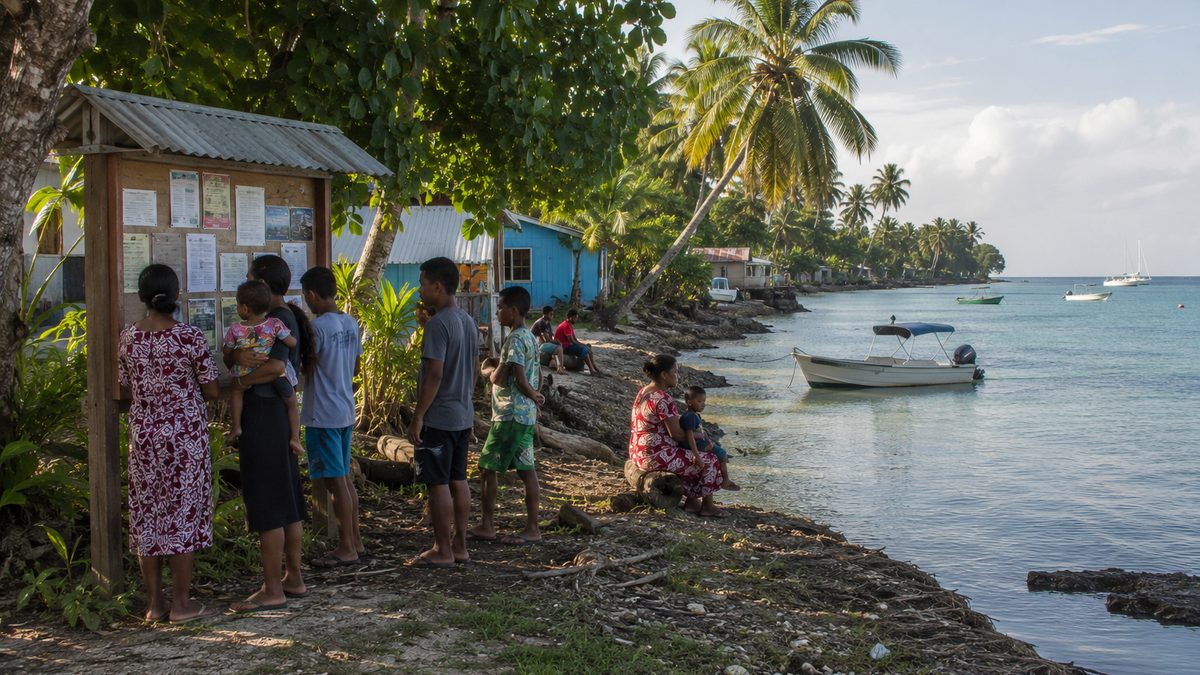
Climate forecasts matter most when they help communities prepare before conditions worsen. Editorial illustration by TheDailyGlobe.
Key Facts
- WMO says there is an 80% likelihood of El Nino conditions during June through August 2026.
- WMO says the likelihood of El Nino continuing until at least November is near or above 90%.
- WMO says uncertainty remains about the timing and peak strength of the event.
- El Nino can affect heat, rainfall, drought, wildfire risk, public health and food systems, though impacts vary by region.
- Recent reporting says Asian governments are preparing for possible El Nino-linked disruption.
Heat, crops and water supplies are often where climate forecasts become real first. A delayed rain season can strain farms. A hotter month can push power grids and hospitals. A dry spell can turn ordinary water management into a public problem.
That is why the latest El Nino outlook is drawing attention across Asia. The World Meteorological Organization says there is an 80% likelihood of El Nino conditions developing during June through August 2026, with probabilities near or above 90% that those conditions continue until at least November.
The forecast does not mean every country will face the same conditions or that every local impact is already known. It does mean governments, farmers, water managers and health officials have reason to prepare before the worst effects arrive.
Why Asia Is Watching The Forecast
El Nino is a recurring climate pattern tied to warming in the central and eastern tropical Pacific. It can shift weather patterns around the world, including rainfall and temperature patterns that matter to agriculture, energy, water supplies and disaster planning.
In Asia, those shifts can be especially important because large populations depend on seasonal rains, farming calendars, hydropower, urban water systems and heat planning. A forecast that sounds technical can quickly become a practical question: will crops get enough rain, will reservoirs hold, and will cities be ready for hotter conditions?
The Guardian reported that Asian governments are preparing for possible disruption tied to El Nino, including risks involving extreme heat, rainfall disruption, drought, wildfire and food systems. Those preparations are not proof of a specific disaster. They are a sign that the forecast is being taken seriously.
Food, Water And Heat Are The Main Concerns
Food systems are one of the clearest reasons El Nino matters. If rainfall weakens or arrives at the wrong time, farmers may face lower yields, harder planting decisions or higher irrigation needs. If heat rises at the same time, stress on crops, workers and livestock can build.
Water is another major pressure point. Cities and farms can both depend on seasonal rain, stored water and river systems. When rainfall becomes less reliable, local officials may have to plan for rationing, emergency supplies or backup sources before shortages become visible.
Heat can also become a public health problem. Longer or sharper hot spells can raise risks for older adults, outdoor workers, children and people without reliable cooling. Health agencies may need to prepare clinics, warning systems and public messaging before heat emergencies begin.
What The Forecast Does Not Prove Yet
The most important caution is that El Nino does not produce identical effects everywhere. Some regions may face drought while others face heavier rain. Some impacts may be sharp and local, while others may show up through crop markets, power demand or water planning.
WMO says uncertainty remains about the timing and peak strength of the event. That matters because a moderate event and a strong event can create different levels of stress, and local conditions can either soften or worsen the impact.
It is also too early to say which countries will face the most severe food, water or heat effects. Specific country-level claims should come from national weather agencies, crop agencies, public health officials or updated WMO and regional forecasts.
Why This Matters Beyond Weather Maps
For readers outside Asia, the connection may be indirect but still real. Food prices, supply chains, travel conditions, disaster aid and public health planning can all be affected when major climate patterns disrupt large regions.
That does not mean a forecast should be treated as a guarantee of crisis. It means climate warnings are most useful before they become emergencies. The point of a forecast is to give governments, businesses and communities time to prepare.
Good preparation can include water planning, heat alerts, crop guidance, wildfire readiness, public health messaging and supply-chain checks. Those steps are less dramatic than disaster response, but they are often where the real protection happens.
What To Watch Next
The next updates to watch are WMO's El Nino and seasonal climate bulletins, national monsoon forecasts, drought warnings, heat alerts and early crop-impact reports.
Country-level decisions will matter too. If governments begin issuing water restrictions, crop advisories, power-supply warnings or public health alerts, those will show where the forecast is turning into real policy.
For now, the clearest takeaway is practical: El Nino is not just a climate term. It is a warning system for food, water, heat and preparedness, and Asia is watching because those risks can reach daily life before they become headline disasters.
Reporting note: Reporting draws on World Meteorological Organization climate updates, established environmental reporting, regional climate context, and reviewed background materials. This article was produced with AI-assisted research and reviewed by an editor before publication.