Armenia-U.S. Agreements Signal a New Phase in South Caucasus Diplomacy
New U.S.-Armenia agreements touch on strategic partnership, critical minerals and regional engagement, but their practical effects remain unclear.
Save Article

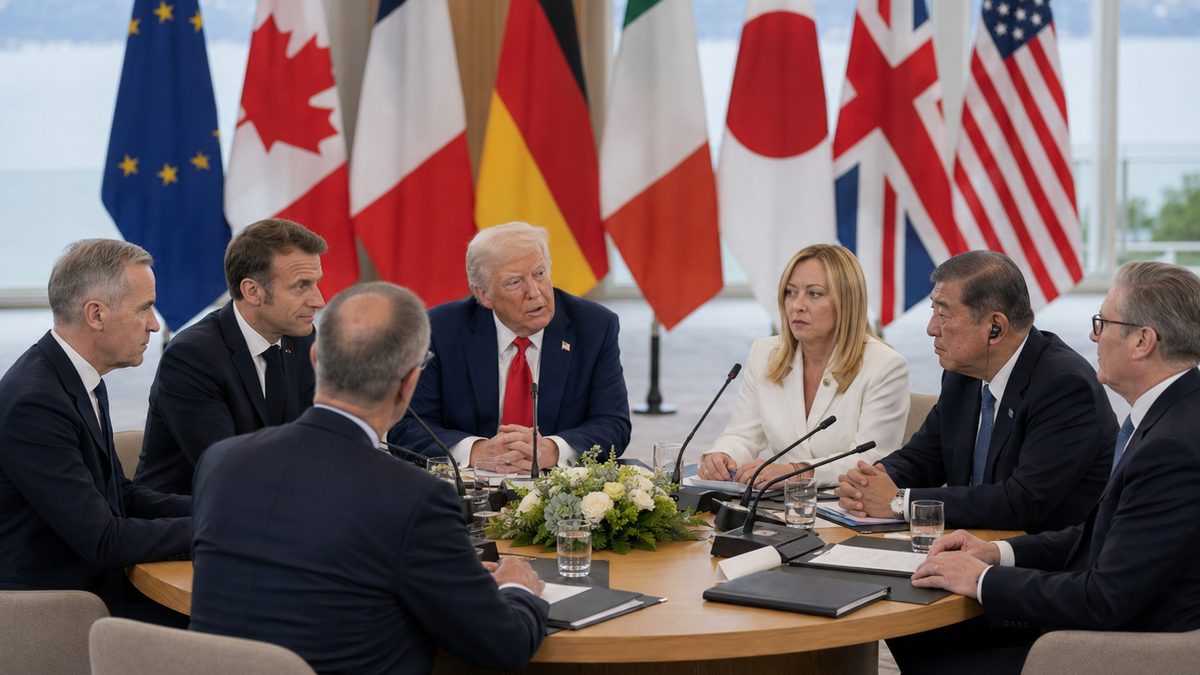
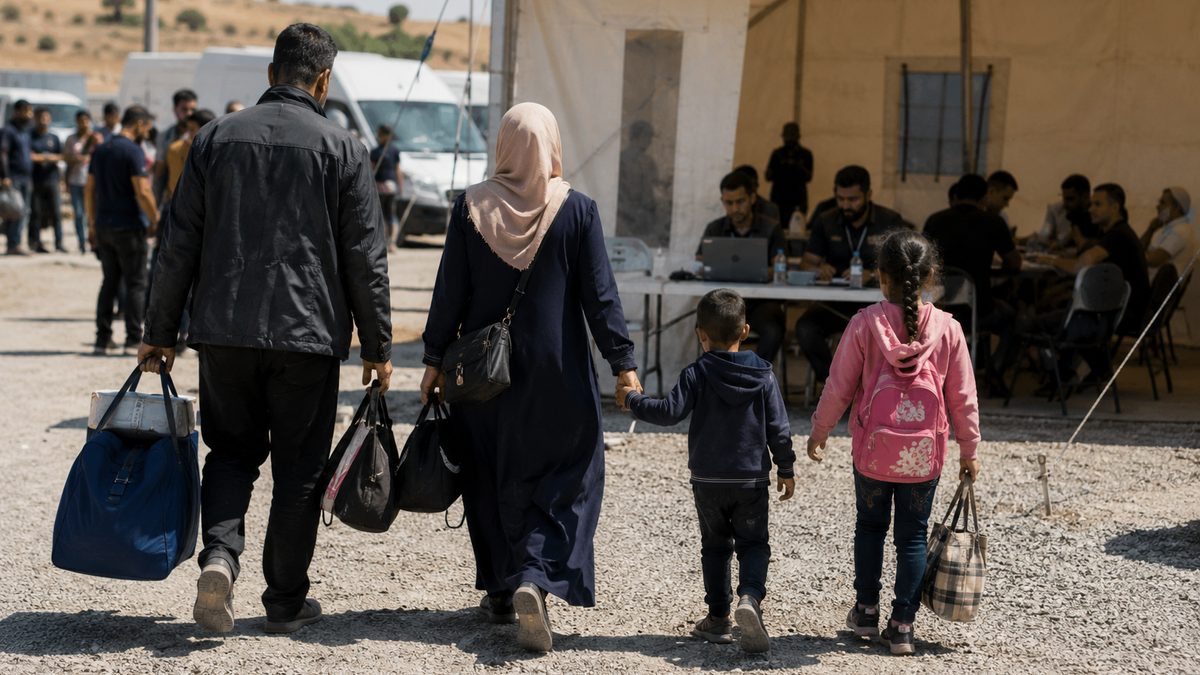
Bilateral agreements can signal broader shifts in regional diplomacy. Editorial illustration by TheDailyGlobe.
The United States and Armenia announced a set of agreements on May 26 that point to a more active phase in U.S.-Armenia diplomacy.
The U.S. State Department listed an announcement involving the TRIPP Framework Agreement, a Strategic Partnership Charter and a Critical Minerals memorandum of understanding with Armenia. The department also listed Secretary Marco Rubio’s meeting with Armenian Foreign Minister Ararat Mirzoyan as part of the same-day diplomatic activity.
The agreements matter because Armenia sits in a region where trade routes, post-conflict diplomacy, Russia’s influence and access to critical minerals all carry wider strategic importance. Still, the confirmed development is the signing and announcement of the agreements, not proof yet of how much they will change policy on the ground.
What Was Announced
The State Department materials confirm three pieces of the announcement: the TRIPP framework, the strategic partnership charter and the critical minerals MOU. Each points to a different part of the relationship, from broader diplomatic cooperation to resources that matter for technology, energy and supply chains.
For readers, the important point is that this was not only a courtesy meeting. The United States and Armenia put several cooperation tracks into formal diplomatic language.
Why the Region Matters
The South Caucasus is a small region with large outside interests. It connects questions about transportation corridors, energy, security, Russia’s regional role and the aftermath of conflict involving Armenia and Azerbaijan.
That does not mean every agreement should be read as a dramatic geopolitical turn. The source material does not confirm how Russia, Azerbaijan or other regional governments will respond. It also does not show how quickly the agreements will become specific projects or policy changes.
What Remains Unclear
The long-term effect of the agreements remains uncertain. Frameworks, charters and memorandums can create a path for cooperation, but they do not automatically deliver infrastructure, investment or regional stability.
The careful read is that Washington and Yerevan are signaling closer engagement at a time when the South Caucasus remains strategically important. What comes next will depend on implementation, regional reactions and whether the agreements lead to concrete follow-through.
Reporting note: Reporting draws on U.S. State Department materials, official diplomatic releases, regional context, and reviewed background materials. This article was produced with AI-assisted research and reviewed by an editor before publication.