Armenia’s Election Turns a Peace Deal Into a Test of Regional Direction
Armenia’s June election is becoming a test of whether an initialed peace agreement with Azerbaijan can move toward implementation while Yerevan weighs European engagement and Russian pressure.
Save Article
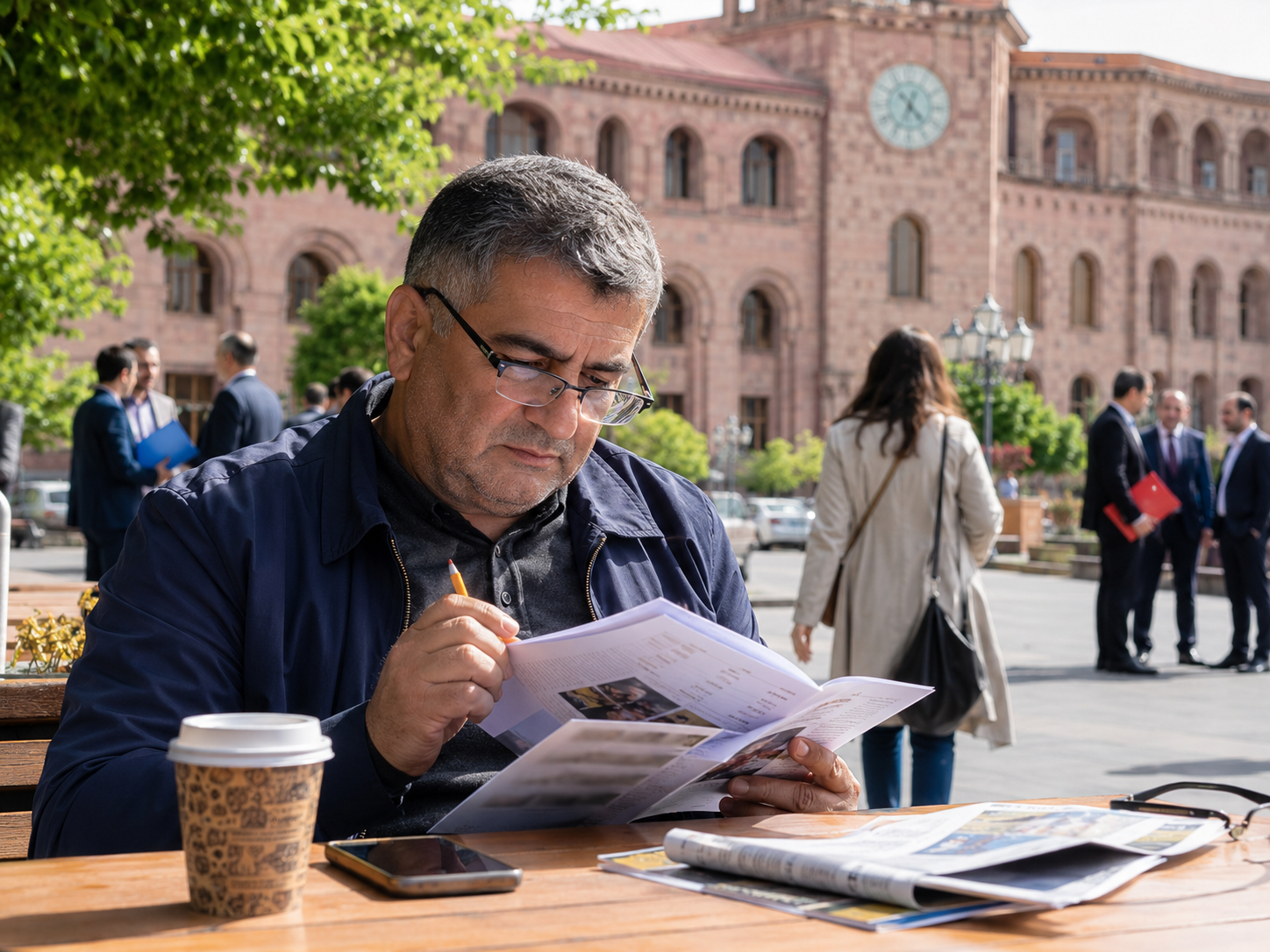
Armenia’s June election is becoming a test of whether an initialed peace agreement with Azerbaijan can move toward implementation while Yerevan weighs European engagement and Russian pressure. Editorial illustration by TheDailyGlobe.
Key Facts
- The Guardian reported Armenia is preparing for national elections on June 7, 2026, with Pashinyan promoting peace with Azerbaijan and regional connectivity.
- Armenia’s Foreign Ministry published the initialed agreement text between Armenia and Azerbaijan in 2025.
- Azerbaijan’s Foreign Ministry also confirmed the initialed text and a joint appeal related to closure of the OSCE Minsk Process.
- OSCE materials in May 2026 discussed ongoing progress toward normalization and finalization of the peace agreement.
- AP reported earlier in May that Armenia hosted a historic EU summit as it sought closer integration with Europe.
Armenia’s June election is becoming a test of more than domestic politics. It may help decide whether a fragile peace process with Azerbaijan moves forward, slows down or becomes harder to sell at home.
The Guardian reported that Armenia is preparing for national elections on June 7, 2026, with Prime Minister Nikol Pashinyan promoting peace with Azerbaijan and regional connectivity. Armenian and Azerbaijani foreign ministry materials show that the two governments initialed an agreement text in 2025.
For readers, the issue is practical: a small South Caucasus country is weighing peace, sovereignty, trade routes, European engagement and Russian pressure at the same time. The election will not settle every regional question, but it could affect whether Armenia’s current diplomatic direction has enough domestic support to continue.
A Peace Text Exists, but the Deal Is Not Finished
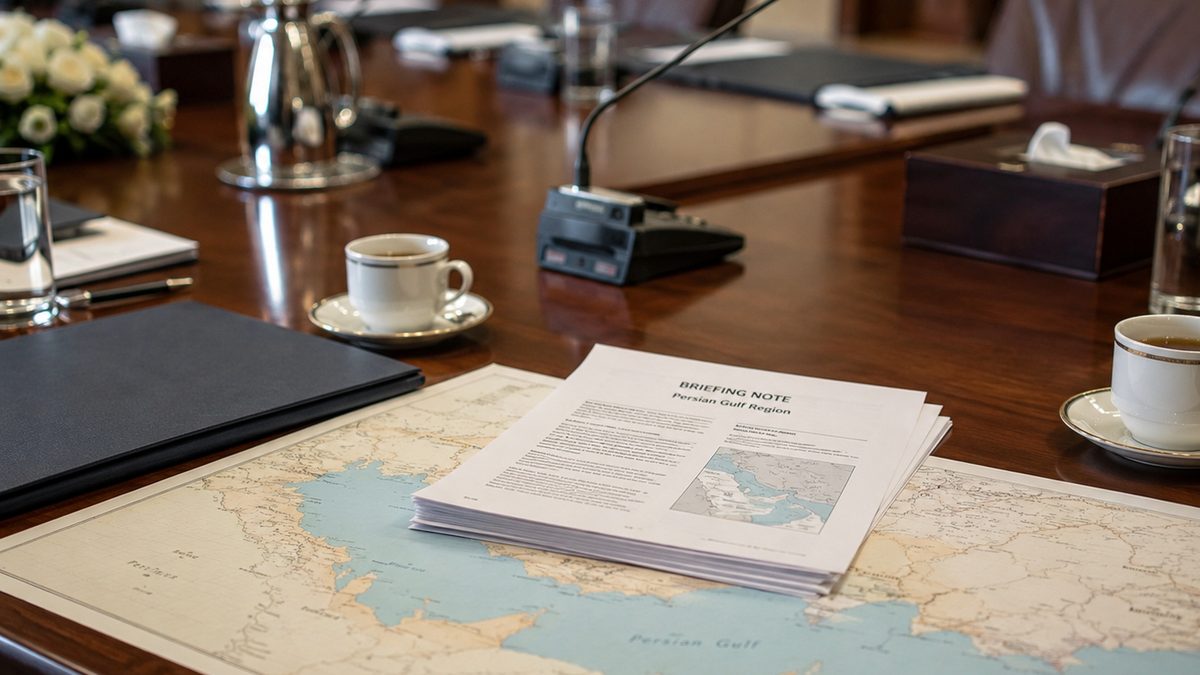
The peace process has moved beyond vague talk. Armenian and Azerbaijani official materials show that an agreement text was initialed in 2025, and Azerbaijan’s Foreign Ministry also confirmed a joint appeal tied to ending the OSCE Minsk Process.
But initialing a text is not the same as full implementation. It shows that negotiators have reached a draft or agreed form of language. It does not prove that every political, legal, security and domestic obstacle has been cleared.
That distinction is central to Armenia’s election. Pashinyan’s supporters frame the peace process as necessary for Armenia’s future. Opposition figures accuse him of conceding too much to Azerbaijan. Those are competing political claims, and the election will test how much public support exists for the path he is offering.
Why Regional Connectivity Matters
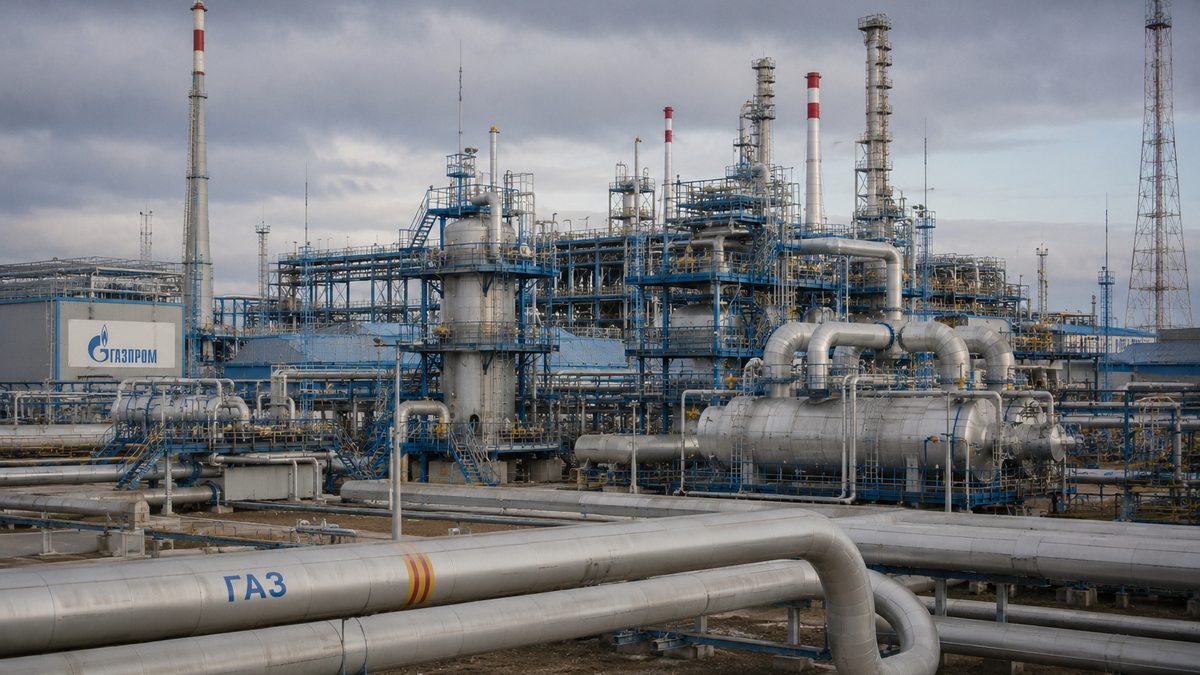
The Guardian framed Armenia as a possible crossroads between east and west, with Pashinyan promoting regional connectivity. In plain terms, that means roads, routes, borders and trade links are part of the political argument.
Connectivity can sound technical, but it affects real power. Transport routes can shape who trades with whom, which borders open, how isolated a country feels and which outside powers gain influence.
For Armenia, the promise is that peace and open routes could reduce isolation and create more options. The risk, as critics see it, is that agreements made under pressure could leave Armenia with less security or leverage. The source material supports the existence of that debate, not a final judgment on which side is right.
The Russia and Europe Pressure
Armenia’s direction is also being watched because of its changing relationship with Russia and Europe. AP reported that Armenia hosted a historic European Union summit as the country sought closer integration with Europe.
AP also reported that Russian President Vladimir Putin warned Armenia it could not simultaneously be part of the EU and the Russia-led Eurasian Economic Union. That warning shows the pressure around Armenia’s choices, but it should be attributed as Russia’s position.
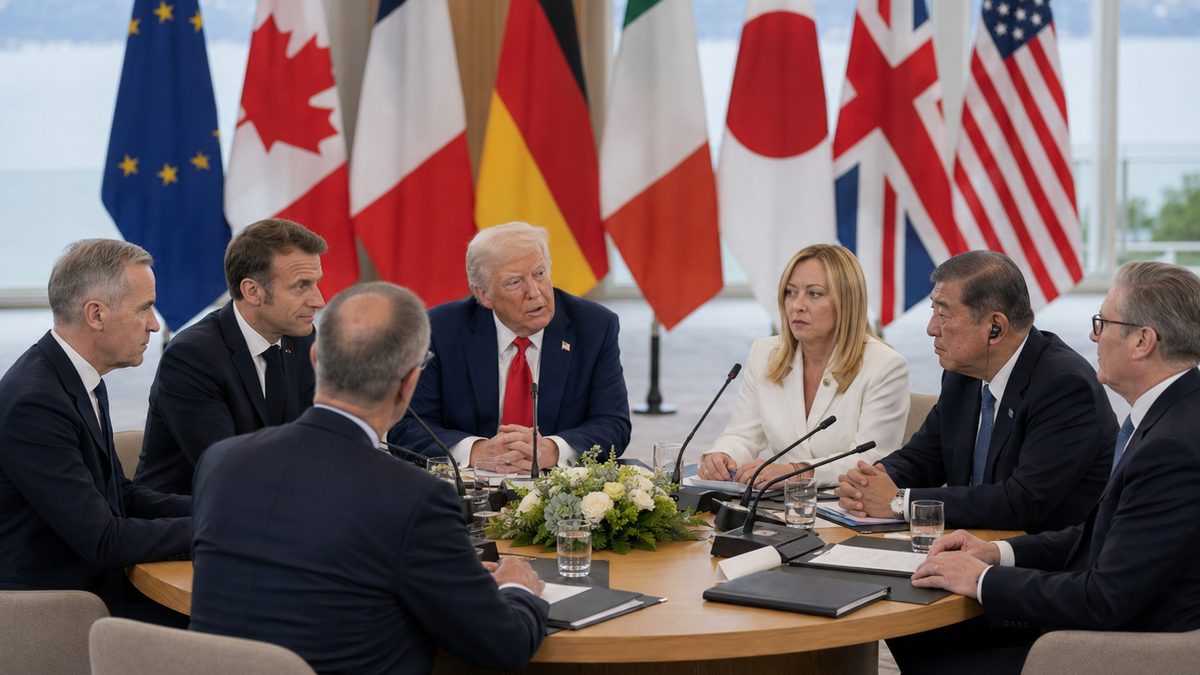
The EU, Russia, Armenia and Azerbaijan each have different interests in how regional routes, security and alignment are described. For Armenia, the hard question is whether closer European engagement can be pursued without creating new vulnerabilities or backlash.
What the Election Can and Cannot Decide
The election can show whether voters give Pashinyan’s peace and connectivity agenda another mandate. It can also show whether opposition criticism has enough force to alter Armenia’s direction.
But the vote cannot by itself guarantee implementation of the Armenia-Azerbaijan agreement. That depends on both governments, security arrangements, public acceptance, regional pressure and outside diplomacy.
It also remains unclear how Russia, the EU and the United States will shape regional connectivity and security guarantees. OSCE materials show continuing discussion around normalization and finalization of the peace agreement, but the source material does not show the process as complete.
What Remains Unclear
The largest uncertainty is whether Armenia’s election will strengthen or weaken support for the peace process. A strong result for Pashinyan could give his government more room to keep negotiating. A weaker result could make implementation more politically difficult.
It also remains unclear whether the initialed agreement will move into full implementation, and what guarantees or mechanisms would make it durable. The available source material supports cautious optimism about progress, not certainty about the outcome.
For now, Armenia’s election is a regional direction test. Voters are being asked to weigh peace with Azerbaijan, concern over concessions, the pull of Europe, pressure from Russia and the promise of new routes through a region where geography has always carried political weight.
Reporting note: Reporting draws on Armenian and Azerbaijani foreign ministry materials, OSCE materials, AP reporting, The Guardian reporting, and reviewed South Caucasus regional context. This article was produced with AI-assisted research and reviewed by an editor before publication.