Screwworm Case In Texas Shows How Animal Health Threats Can Reach Food Systems
A confirmed New World screwworm case in a Texas calf shows why animal-health surveillance matters for livestock, pets, wildlife and food-system protection.
Save Article
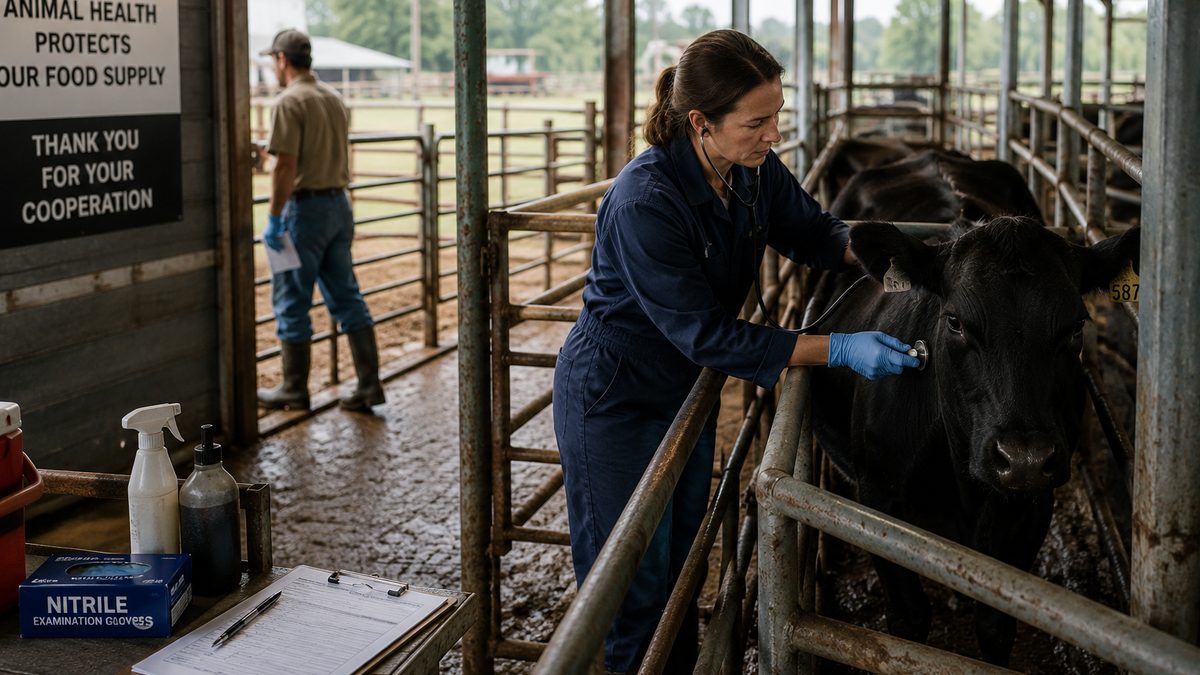
Animal-health surveillance can become a food-system issue when livestock threats move closer to U.S. communities. Editorial illustration by TheDailyGlobe.
Key Facts
- CDC says USDA confirmed New World screwworm in a calf in Zavala County, Texas, on June 3, 2026.
- CDC says no locally acquired human infestations have been reported in the United States.
- The outbreak has moved northward through Central America and Mexico since 2023.
- USDA previously shifted sterile fly dispersal efforts to help defend the U.S.-Mexico border.
A parasite found in one calf can sound like a small ranch problem. In reality, animal-health threats can quickly become questions for livestock producers, veterinarians, pet owners, wildlife managers and food-system planners.
That is why the confirmed New World screwworm case in Texas matters. The Centers for Disease Control and Prevention says USDA confirmed New World screwworm in a calf in Zavala County, Texas, on June 3, 2026.
The case does not mean people should panic. CDC says no locally acquired human infestations have been reported in the United States. But the confirmation is still important because screwworm can affect warm-blooded animals and can create serious pressure on livestock systems if it spreads.
What Officials Confirmed
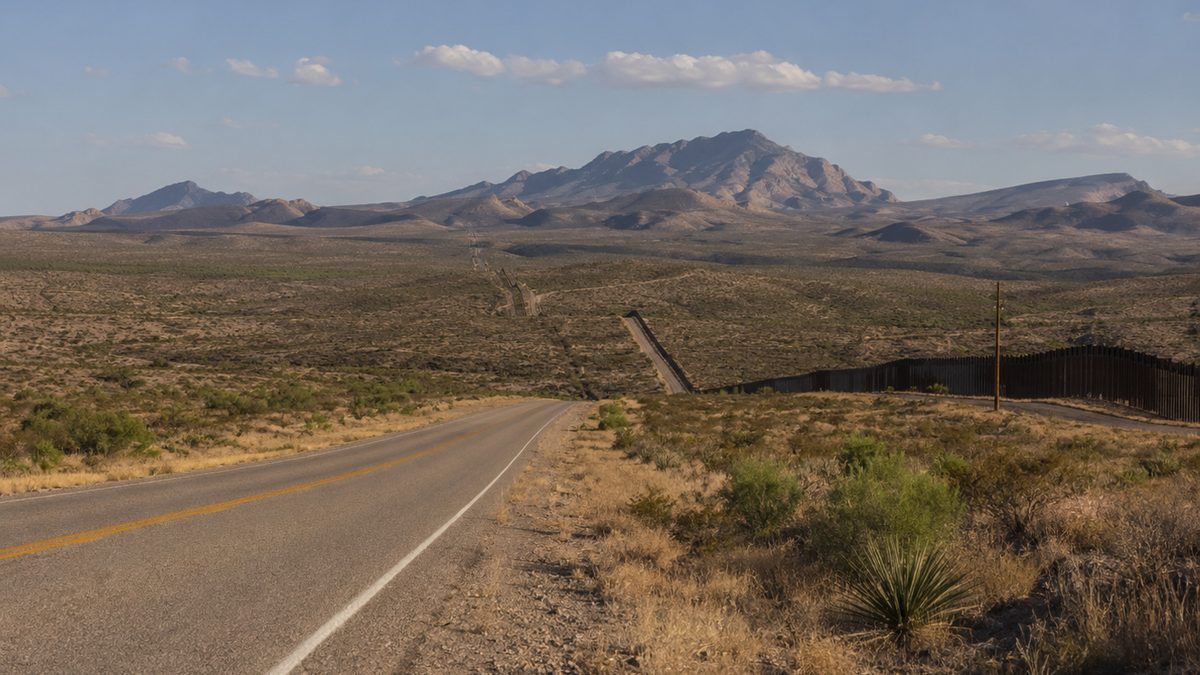
The Texas confirmation is a developing animal-health event, not a general public-health emergency for U.S. households. The confirmed case involved a calf in Zavala County, a South Texas county near the U.S.-Mexico border region.
CDC's situation summary places the case in the context of an outbreak that has moved northward through Central America and Mexico since 2023. USDA had already shifted sterile fly dispersal efforts earlier this year as part of work to defend the border from further spread.
That response matters because screwworm control depends on fast detection, reporting, movement controls when needed, and coordinated work between public health, agriculture and animal-health agencies.
What New World Screwworm Is
New World screwworm is a parasitic fly whose larvae can infest wounds in warm-blooded animals. Livestock are a major concern, but pets and wildlife can also be affected.
The issue is serious for agriculture because infestations can harm animals and require quick veterinary attention. It is also a surveillance problem because early cases can be easier to contain than a wider spread across herds, ranches or wildlife populations.
The story should not be framed with horror language. The practical point is simpler: animal-health systems exist so officials can find threats early, respond quickly and reduce the chance that one case becomes a broader problem.
Why Food Systems Are Part Of The Story
Livestock health is part of food-system stability. Ranchers depend on healthy animals, veterinarians depend on accurate reporting, and state and federal agencies depend on surveillance to understand whether a threat is isolated or spreading.
A single confirmed case does not prove that food supplies will be disrupted. The available public information does not support that claim. But it does show why agriculture agencies watch animal disease and parasite threats closely, especially near border regions where movement of animals, wildlife and goods can complicate control.
For consumers, the connection is indirect. Most people will not interact with screwworm directly. The relevance is that food systems rely on animal-health defenses most people never see until a threat gets close enough to make news.
The Human Risk Context
CDC says no locally acquired human infestations have been reported in the United States. That is an important boundary for readers trying to understand the risk.
The current concern is centered on animal health, agriculture response and whether officials can prevent wider spread. People who work closely with livestock, pets or wildlife may pay closer attention to agency guidance, but the confirmed Texas case should not be treated as evidence of a broad human outbreak.
What Remains Unknown
The biggest open question is whether the Texas case is isolated or signals broader spread. That will depend on surveillance findings, additional testing, animal movement reviews and state or federal response decisions.
It is also unclear what additional restrictions or control measures may follow. State and federal officials may adjust guidance if more cases are found or if surveillance suggests a wider risk.
Economic impact claims should be handled carefully. Potential losses can be serious in animal-health events, but estimates should be attributed to specific agencies or industry sources and not treated as confirmed losses unless supported by official data.
What To Watch Next
The next updates to watch are CDC situation summaries, USDA APHIS response announcements, Texas agriculture guidance and any confirmed reports of additional cases.
For ranchers and animal owners, the practical issue is whether surveillance finds more evidence of spread and whether officials recommend new reporting, inspection or movement steps.
For everyone else, the lesson is that food-system protection often starts before grocery shelves are involved. It starts with finding animal-health threats early, taking them seriously and avoiding both panic and delay.
Reporting note: Reporting draws on CDC public health updates, USDA APHIS materials, Texas agriculture statements, and reviewed background materials. This article was produced with AI-assisted research and reviewed by an editor before publication.