Low Water Is Closing Some Swimming Spots Before Summer Fully Begins
A Colorado swim beach closure shows how low water levels can change summer recreation plans even when lakes and reservoirs remain partly open.
Save Article
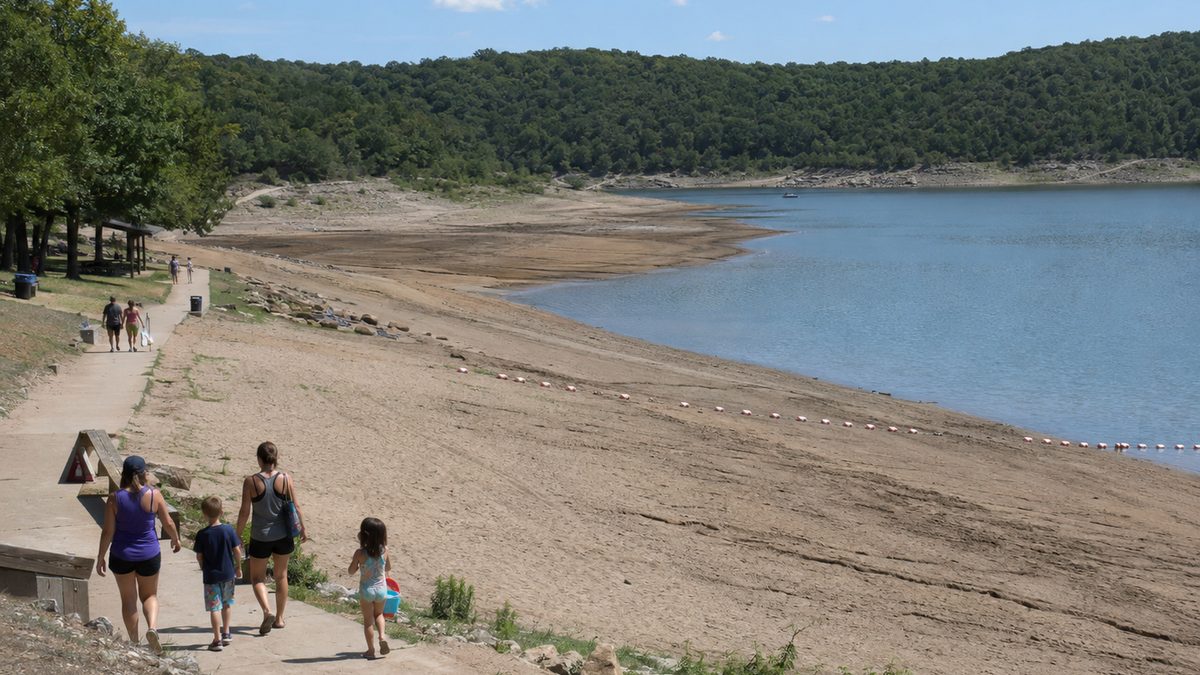
Low water can change summer plans even when parks and reservoirs remain partly open. Editorial illustration by TheDailyGlobe.
A family can pack towels, sunscreen and lunch for a summer beach day, only to find that the water is no longer safe for normal swimming operations.
That is the problem facing Union Reservoir in Longmont, Colorado. Longmont Leader reported that the city would close the Union Reservoir swim beach for the 2026 summer season because low water levels were expected to make normal beach operations unsafe. 9News also reported that the swim beach would remain closed all summer because of anticipated low water levels.
The closure does not mean the entire reservoir is shut down. Reports said some other recreation options, including boating and wading, would remain available. But for families planning a simple swim day, the difference matters: a lake or reservoir can be open while the designated swimming area is not.
Why Low Water Can Close a Beach
Summer water problems are often framed around storms, flooding or dangerous currents. Low water can create its own safety issues. A swim beach is designed around normal shoreline conditions, safe access points, marked areas and enough water depth for ordinary use.
When water drops, those assumptions can change. The beach may no longer operate the way visitors expect, and local officials may decide that keeping the swimming area open creates more risk than closing it.
What Remains Unclear
It is not yet clear whether additional swimming areas in the region will face similar restrictions, how long drought or low snowpack effects will last, or whether later rainfall could change recreational access.
Those questions will depend on local conditions, not one national trend. Reservoir levels, weather, snowpack and park-management decisions can vary widely from one community to another.
What Families Should Check
Before planning a water day, families should check the latest updates from local parks, reservoirs and recreation departments. The key question is not only whether a park is open, but whether swimming is allowed, whether a swim beach is staffed or marked, and whether any areas are restricted.
The practical lesson from Longmont is simple: low water can change summer plans just as surely as bad weather can. A quick check before leaving home can save a wasted trip and help families understand what kind of water access is actually available.
Reporting note: Reporting draws on local Colorado reporting, regional television coverage, reservoir recreation updates, and reviewed background materials. This article was produced with AI-assisted research and reviewed by an editor before publication.