Lead Pipe Replacement Rules Put Local Water Systems Under a National Deadline
EPA rules require drinking water systems to identify and replace lead pipes within 10 years, turning a national rule into a local planning challenge.
Save Article
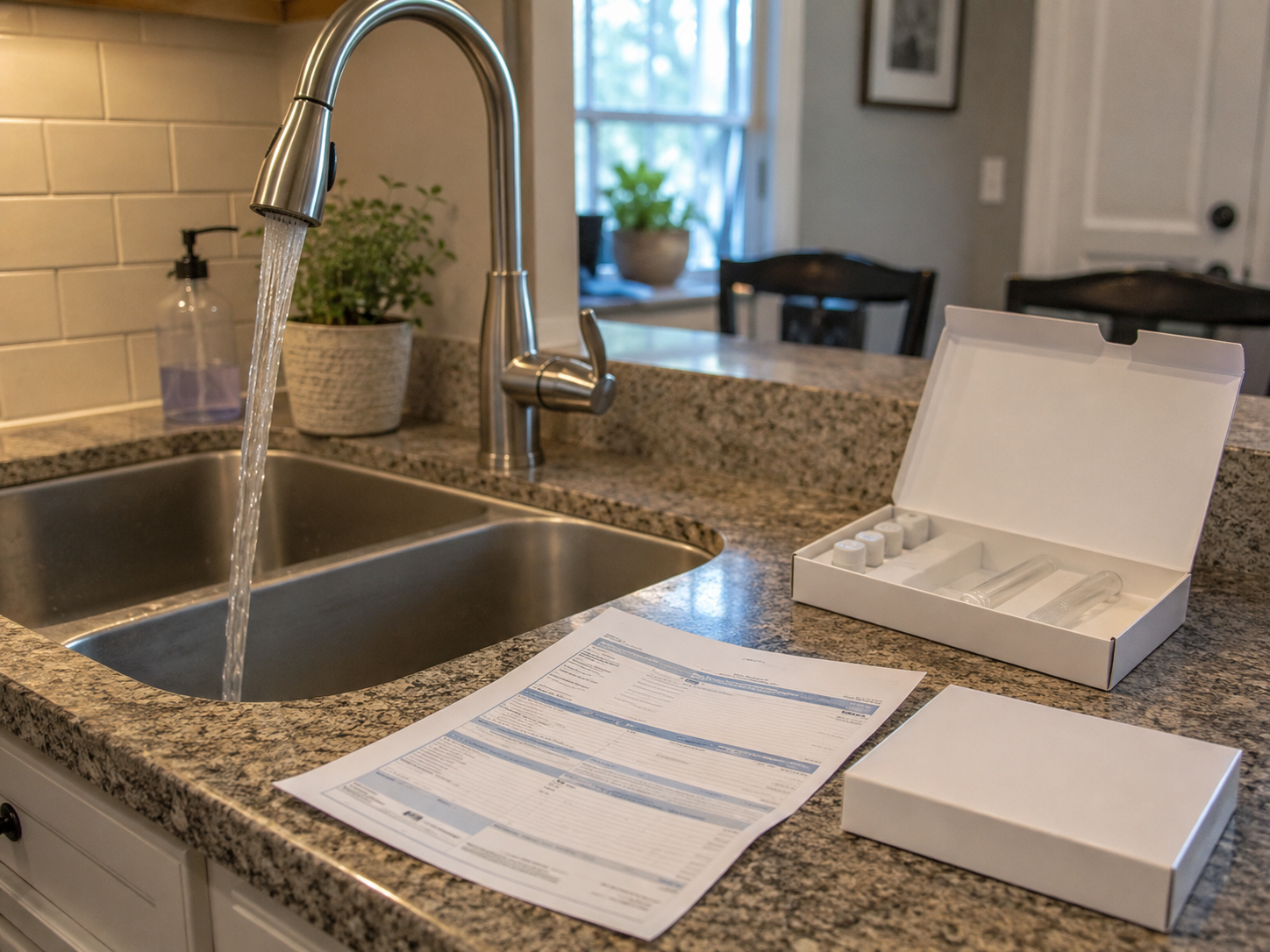
Federal lead pipe rules will be carried out through local water systems, household notices and replacement plans. Editorial illustration by TheDailyGlobe.
Key Facts
- EPA's Lead and Copper Rule Improvements require drinking water systems to identify and replace lead pipes within 10 years.
- EPA says the rule requires more rigorous testing and improves communication with communities about lead risks, pipe locations and replacement plans.
- EPA says lead and copper enter drinking water primarily through plumbing materials and can cause health problems.
- EPA's FY 2026 milestones include planned resources and guidance related to lead service line replacement and school and child-care lead testing grant funding.
- Local cost, timing and implementation details will vary by water system.
Safe drinking water often feels like a basic household assumption. People turn on the tap, fill a glass, make formula, cook dinner or send a child to school with a water bottle.
The federal push to replace lead pipes is about what has to happen before that trust is justified. EPA's Lead and Copper Rule Improvements require drinking water systems to identify and replace lead pipes within 10 years, turning a national public-health rule into a local planning challenge for utilities, towns, schools and households.
The rule does not mean every community faces the same risk or the same timeline. It does mean local water systems will have to inventory pipes, communicate with residents and plan replacements under a federal deadline.
What the EPA Rule Requires
EPA's rule is built around a clear goal: drinking water systems must identify and replace lead service lines within 10 years. That means utilities will have to know where lead pipes are, tell communities more about the risk and create replacement plans that can actually be carried out.
The agency also says the rule strengthens testing requirements and improves communication about pipe locations, lead risks and replacement work. For residents, that communication may matter almost as much as the construction itself because people cannot respond to a risk they do not know exists.
Lead and copper can enter drinking water through plumbing materials, according to EPA. Lead is the larger public-health concern in this story because exposure can cause health problems, especially for children and other vulnerable groups.
Why Local Water Systems Matter
A federal rule can set the deadline, but local systems have to do the hard work. They must find the pipes, plan replacements, communicate with customers, coordinate with property owners and manage the cost.
That is why the rule will look different from place to place. Some communities may already have detailed inventories and replacement programs. Others, especially smaller or rural systems, may face staffing, funding or technical challenges.
The local nature of the work also means residents may hear about the rule through utility notices, city meetings, state funding announcements or school and child-care testing programs rather than through national headlines.
What Families and Schools May Notice
Families may eventually receive notices about service line inventories, replacement schedules or water testing. Schools and child-care providers may also see more attention on lead testing because EPA's FY 2026 milestones include planned resources tied to school and child-care lead testing grant funding.
Those steps are part of the public-health value of the rule. Replacing pipes is the long-term infrastructure work. Testing, notices and local communication help people understand what is happening before and during that work.
The important caution is that risk is not identical everywhere. A home, school or neighborhood's situation depends on local pipe materials, water chemistry, system records, replacement history and testing results.
What Remains Unclear
The biggest unanswered questions are local: how individual water systems will pay for replacements, how quickly residents will receive inventories and schedules, and whether smaller systems will need more help to meet the federal timeline.
It is also unclear how smoothly states, utilities and federal agencies will coordinate funding and guidance. A 10-year deadline creates pressure, but it does not automatically solve labor, construction, mapping or financing problems.
That uncertainty does not weaken the public-health purpose of the rule. It shows why implementation will matter as much as the rule itself.
What to Watch Next
Residents should watch for local pipe inventories, utility notices, public meetings, state funding announcements and EPA guidance tied to lead service line replacement.
The national deadline is now set. The next test is whether local water systems can turn that deadline into clear notices, realistic schedules and pipe replacements that communities can see and trust.
Reporting note: Reporting draws on Environmental Protection Agency rule materials, federal lead action plan milestones, drinking-water regulatory context, and reviewed background materials. This article was produced with AI-assisted research and reviewed by an editor before publication.