Garden Grove Evacuations Show How Chemical Emergencies Can Disrupt Neighborhoods
Residents were allowed to return after evacuations tied to a damaged chemical tank, but the episode shows how quickly industrial emergencies can reach daily life.
Save Article
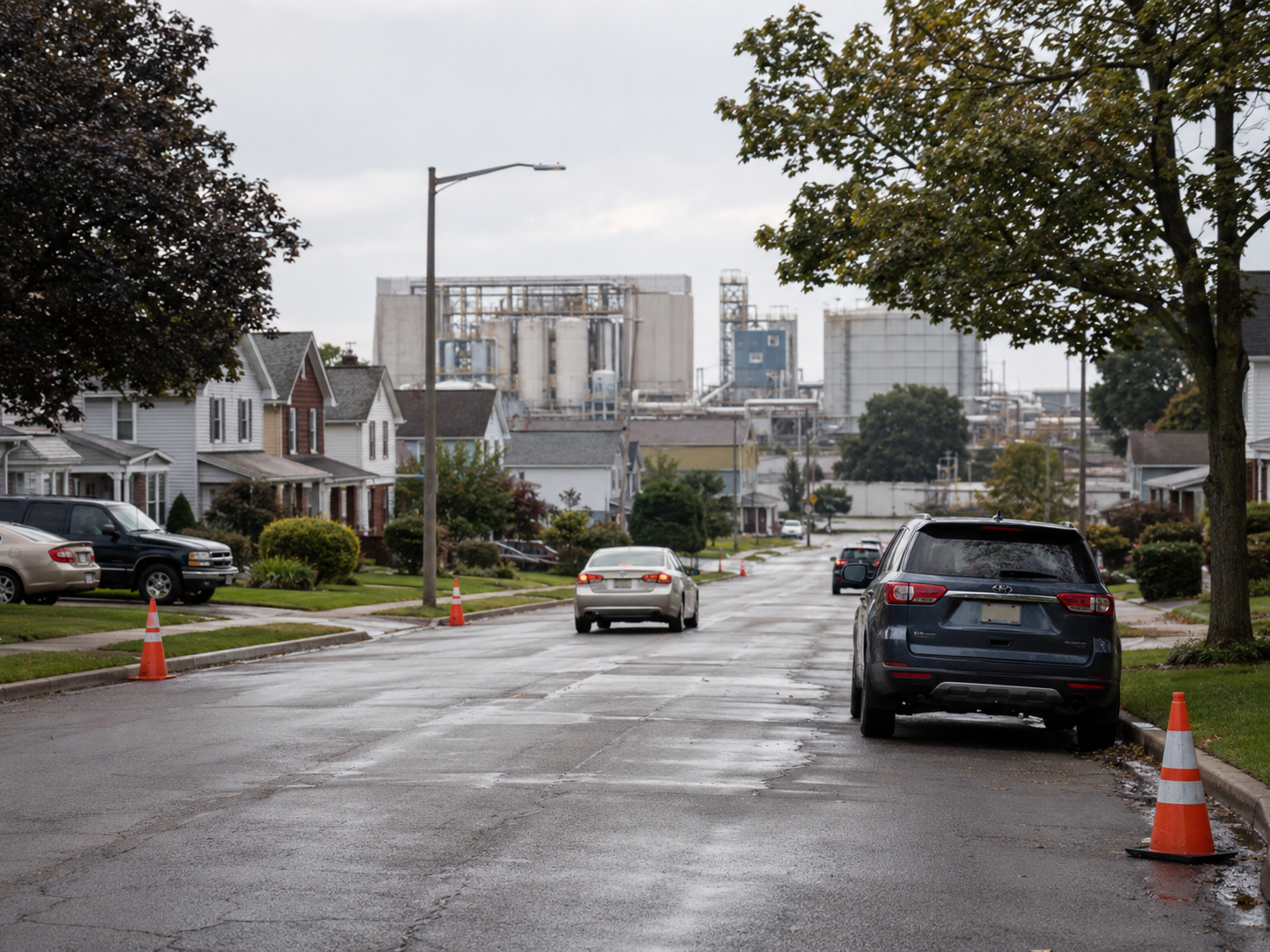
When evacuation orders lift, residents still need clear answers about what happened and what risks remain. Editorial illustration by TheDailyGlobe.
For families forced out by a chemical emergency, the end of an evacuation order is not always the end of the worry. People still want to know what happened, whether the air is safe, whether schools and streets can reopen normally and whether the facility next door has been made secure.
That was the practical concern in Garden Grove, California, where a damaged chemical tank at an aerospace facility prompted evacuations affecting thousands of residents. Officials later allowed residents to return after saying the immediate threat had eased, and ABC7 reported that all evacuation orders were lifted Tuesday evening.
What Officials Confirmed
The emergency centered on a damaged chemical tank at a GKN Aerospace facility. Reporting from the Associated Press, ABC7 Los Angeles and ABC News confirmed that evacuation orders were lifted after officials said the tank no longer posed the same immediate explosion threat.
Officials continued monitoring after the emergency, which matters because residents returning home often need more than a single all-clear. They need updates on air, site stability, cleanup, traffic, schools and whether any risk remains near homes.
Why This Reaches Beyond One City
Garden Grove is a local story, but the issue is familiar in many communities. Industrial facilities are often close enough to neighborhoods that a tank problem, fire risk or chemical concern can quickly become a public-safety event.
That puts pressure on emergency systems. Residents need fast warnings, clear evacuation instructions, reliable monitoring and plain explanations once they are allowed to return. If communication is unclear, trust can remain shaken even after the immediate danger has passed.
What Remains Unclear
Several questions remain unresolved. Reporting has not established whether the tank failure involved preventable maintenance or oversight problems. It is also unclear what long-term monitoring will show or whether local officials or regulators will require additional changes at the facility.
The next developments to watch are local investigations, environmental updates, public meetings and any accountability steps from city, county or state officials. For residents, the key question is simple: not only whether they can go home, but whether they can trust that the risks have been fully explained.
Reporting note: Reporting draws on wire reporting, local public-safety updates, national reporting, official evacuation information, and reviewed emergency-response context. This article was produced with AI-assisted research and reviewed by an editor before publication.