FEMA Reform Plan Could Shift More Disaster Work to States and Local Communities
A new FEMA Review Council report recommends major changes to federal disaster policy, but many proposals are not final and would need Congress to act.
Save Article
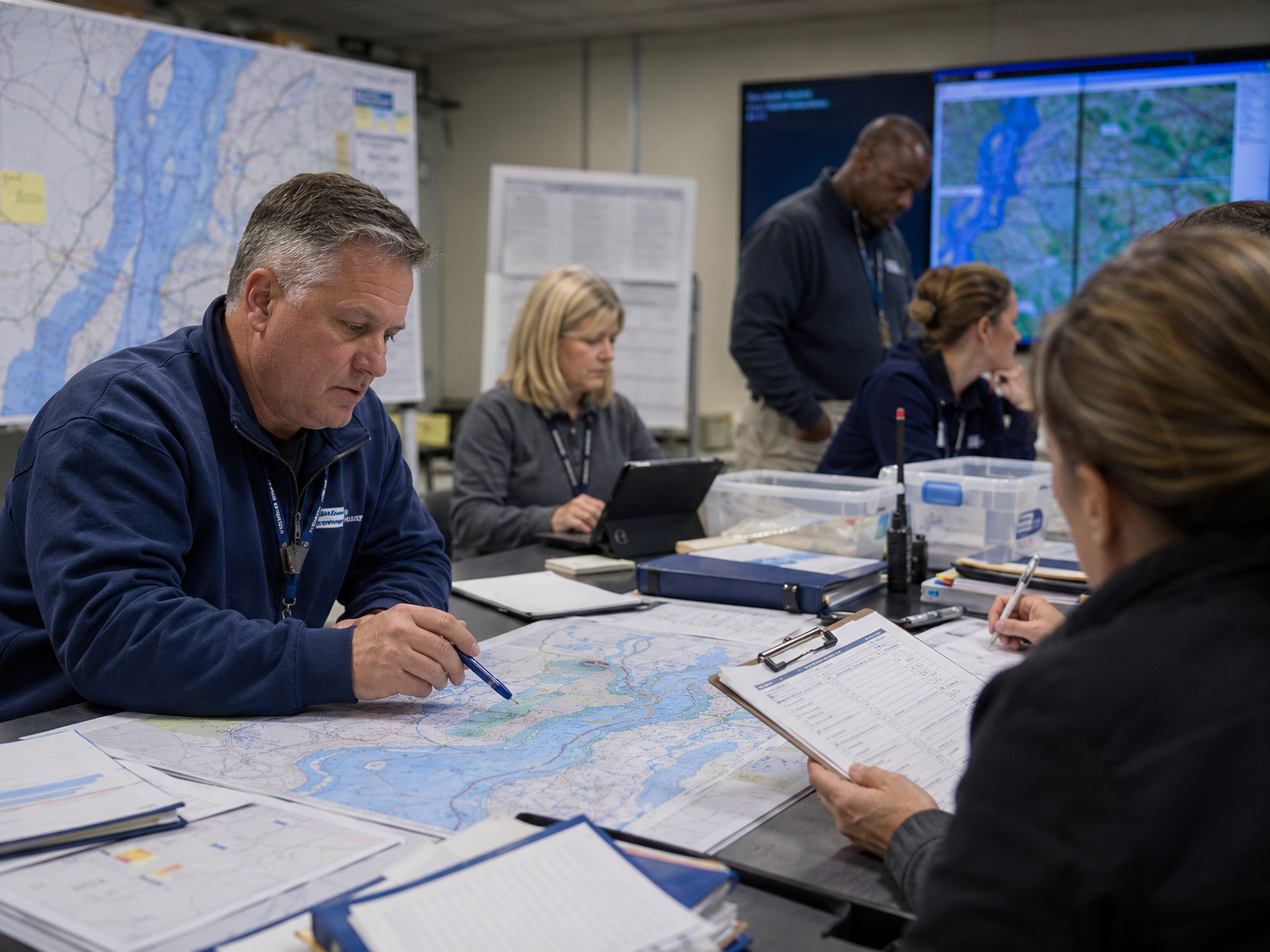
Disaster policy changes can determine how quickly communities receive help after emergencies. Editorial illustration by TheDailyGlobe.
Key Facts
- The Department of Homeland Security announced the FEMA Review Council final report on May 7.
- FEMA says public comments on the report are open until June 8, 2026.
- The report recommends changes to disaster preparedness, response, recovery and mitigation.
- County and city groups say the recommendations could shift more responsibility toward state and local governments.
- Many major changes would require congressional action before becoming policy.
When a flood, fire, storm or other major disaster hits, families and communities usually need the same things first: fast help, clear rules and a recovery system that does not collapse under pressure.
A new federal disaster-policy report could affect how that system works. The FEMA Review Council released its final report on May 7, recommending major changes to disaster preparedness, response, recovery and mitigation. The recommendations are not all final policy, and many of the biggest changes would require Congress to act.
Still, the report matters because it points toward a possible shift in who carries more responsibility after disasters. County and city groups have warned that some recommendations could move more work toward state and local governments, including communities that may already have limited staff, strained budgets and rising disaster risks.
What the Report Proposes
The FEMA Review Council’s work centers on how the country prepares for disasters, responds when they happen and helps communities rebuild afterward. DHS described the final report as a set of recommendations for changing the nation’s emergency management system.
The report does not mean every recommendation will happen. Some changes could be handled through administrative action. Others would require legislation. That distinction matters because a recommendation can shape debate, but it does not automatically change the rules for disaster survivors, governors, counties, cities or first responders.
For readers, the practical question is not just what the report says. It is whether the federal government, states and local governments are moving toward a different division of responsibility before the next major storm, wildfire, flood or emergency.
Why Local Governments Are Paying Attention
Local governments are often the first public institutions people turn to during a disaster. Police, fire departments, emergency managers, public works crews, school districts, hospitals and county offices are usually closest to the damage. They help open shelters, clear roads, share warnings, manage supplies and connect residents with recovery programs.
That local role is not new. What concerns county and city organizations is the possibility that federal reforms could expect local and state governments to do more without a clear answer on capacity. Smaller communities may have fewer emergency staff, less grant-writing experience and tighter budgets than larger jurisdictions.
The National Association of Counties said the council’s recommendations include sweeping changes and emphasized the local-government impact. The National League of Cities has also raised concerns about what changes could mean for cities. The central concern is not whether local governments should be involved. They already are. The question is how much responsibility they can carry if federal support changes.
What Could Change for Communities
If more responsibility shifts toward states and localities, disaster planning could become even more important before emergencies happen. Communities may need clearer local plans, stronger coordination with state agencies and more attention to preparedness work that often happens out of public view.
For residents, the effects would likely be felt indirectly at first. Most people do not interact with FEMA policy until something goes wrong. But the structure behind disaster aid can influence how quickly help moves, which government office leads, what paperwork is required and how recovery costs are divided.
The report also matters for taxpayers. Disaster recovery can be expensive, and the question of who pays is not abstract for state and local budgets. If Congress or the administration changes the balance of federal support, governors, counties and cities would have to adjust to the new rules.
What Is Not Decided Yet
Several major questions remain open. It is not yet clear which recommendations the administration will adopt. It is also not clear whether Congress will approve changes that require legislation.
The hardest question may be how lower-resource communities would manage added responsibilities if the federal role changes. Large states and major metro areas often have more staff and planning capacity. Smaller counties, rural towns and communities hit repeatedly by storms or floods may face a different reality.
Supporters of reform argue that disaster management can be made more efficient and better organized. Local-government groups are warning that efficiency should not become a quiet transfer of responsibility to governments that may not have the money or staff to absorb it.
What Happens Next
The next immediate step is the public comment period. FEMA says comments are open until June 8, 2026, giving governments, organizations and the public a chance to respond before decisions move further.
After that, the focus shifts to the administration and Congress. The administration can decide which recommendations to pursue, but Congress would have to approve many of the larger changes. Until then, the report is best understood as a serious policy roadmap, not a finished rewrite of federal disaster law.
For communities, the issue is worth watching before the next disaster, not after. The rules that determine who leads, who pays and how fast help arrives are often written long before families need them.
Reporting note: Reporting draws on official federal materials, FEMA Review Council documentation, wire reporting, county association analysis, and reviewed background materials. This article was produced with AI-assisted research and reviewed by an editor before publication.