Samsung’s One UI 9 Beta Shows What Galaxy Users May Notice Next
Samsung’s One UI 9 beta for Galaxy S26 users previews changes tied to customization, accessibility, security and daily phone use, but beta limits still matter.
Save Article
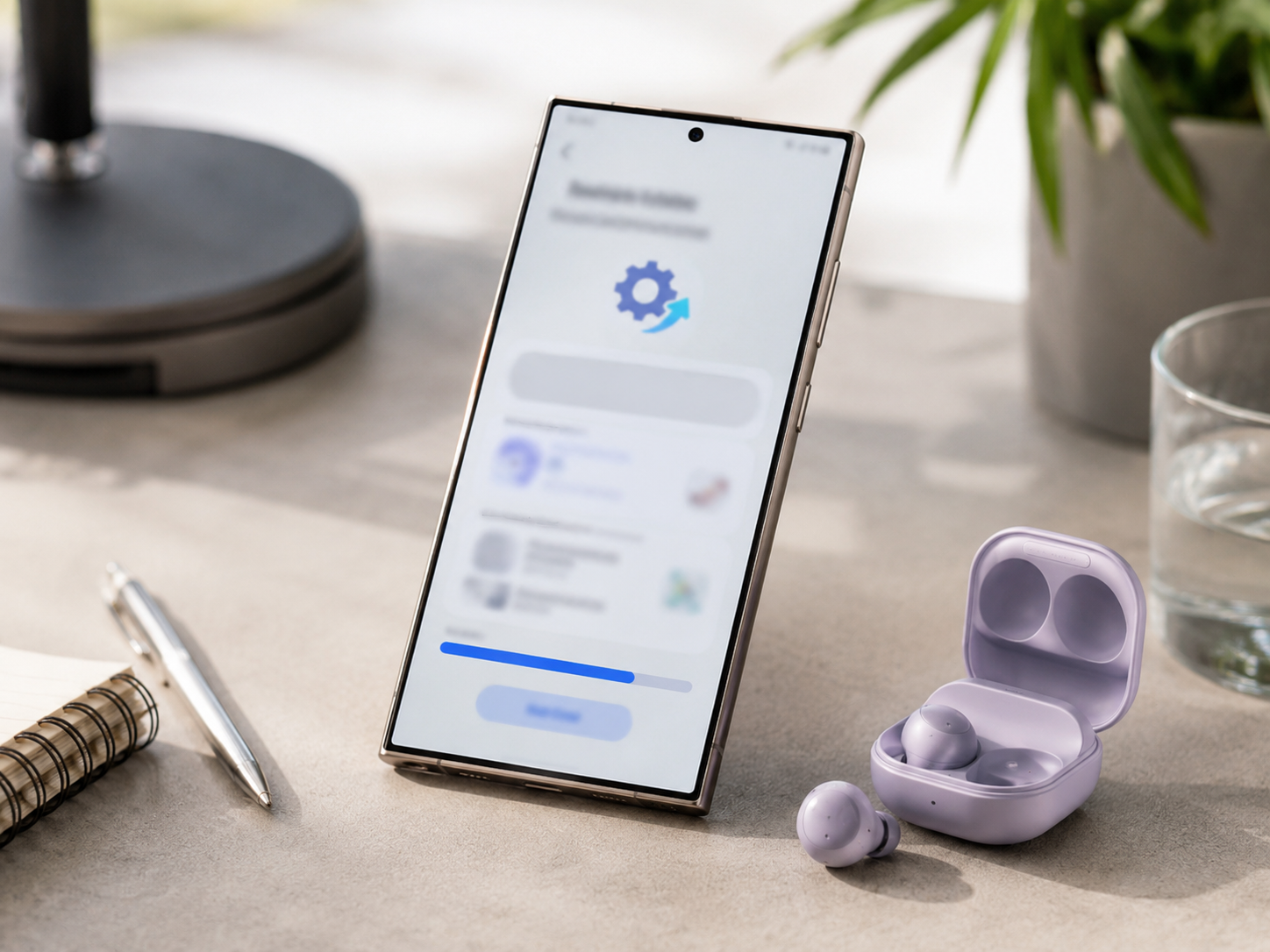
Phone updates increasingly shape privacy, accessibility, and everyday device use. Editorial illustration by TheDailyGlobe.
Key Facts
- Samsung announced the One UI 9 beta for Galaxy S26 series users.
- Samsung says One UI 9 beta is built on Android 17.
- Samsung says the beta includes creative tools, customization, accessibility improvements and stronger protection against potential security threats.
- Samsung says beta availability includes select markets such as Germany, India, Korea, Poland, the U.K. and the U.S.
- Beta availability can vary by market, carrier, device model and Samsung Members access.
For Galaxy users, phone updates are no longer just about new icons, fresh colors or a slightly different settings menu. A software update can change how a phone handles privacy, accessibility, security, photos, app behavior and the small daily routines people barely think about until something moves.
Samsung announced the One UI 9 beta for Galaxy S26 series users on May 12, saying the beta is built on Android 17 and includes creative tools, customization, accessibility improvements and stronger protection against potential security threats.
The announcement is a useful preview of where Samsung’s phone software is heading. It is not a final release for every Galaxy user, and it should not be read as a promise that every feature will reach every older device.
What Galaxy Users May Notice
The most visible changes in phone software are usually the easiest to describe: lock screens, widgets, menus, camera tools, notifications and customization options. Samsung’s announcement points to creative tools and customization as part of the One UI 9 beta, which suggests users may see changes in how the phone looks, feels or helps them create and organize content.
Accessibility improvements may matter even more for some users. Accessibility features can affect how people with vision, hearing, mobility or cognitive needs use a phone day to day. They can also help users who do not think of themselves as needing accessibility tools but still rely on clearer controls, better readability or simpler interactions.
The practical point is that modern phone updates increasingly reach beyond design. They can change how a device helps a person communicate, work, travel, take photos, manage information and control settings.
Why Security Is Part of the Story
Samsung says One UI 9 beta includes stronger protection against potential security threats. That language is broad, so it should not be stretched into claims about specific protections unless Samsung confirms the details.
Still, security is one reason phone updates matter. Android devices rely on a mix of operating system updates, manufacturer updates, security patches and carrier rollout schedules. Samsung Mobile Security provides update-policy context, while Android security bulletin pages explain how Android security fixes are documented.
For users, that means the update question is not only whether a phone gets new features. It is also whether the device keeps receiving security support, how quickly patches arrive and whether a carrier or model affects timing.
What Beta Means in Practice
A beta is a test version, not the final version most users will eventually see. Beta software can change before release, and some features may be adjusted, delayed or removed. It may also include bugs that make it less suitable for someone who needs their phone to be stable every day.
Samsung says the One UI 9 beta is available in select markets, including Germany, India, Korea, Poland, the U.K. and the U.S. Even in those markets, access can depend on the device model, carrier and Samsung Members availability.
That matters because not every Galaxy owner can or should assume they can install the beta. Galaxy S26 series users in eligible markets are the confirmed audience. Older Galaxy devices may or may not receive specific features later, depending on Samsung’s final rollout plans.
The Android 17 Connection
Samsung says One UI 9 beta is built on Android 17, connecting the update to Google’s wider Android platform. For users, the Samsung layer is often what they see most directly, but the underlying Android version can affect security, app behavior, system permissions and compatibility.
That relationship is one reason Android updates can feel complicated. Google develops Android, Samsung builds One UI around its Galaxy devices, and carriers may affect rollout timing. The final experience on a phone can depend on all three parts.
The beta gives Samsung a way to test those changes with users before a broader release. It also gives developers and early adopters a first look at how apps and features may behave on the next version.
What Remains Unclear
Several important questions remain open. Samsung has not provided a final stable release date in the details reviewed for this article. It is also unclear which One UI 9 features will reach older Galaxy models or whether every beta feature will survive unchanged into the final release.
Carrier timing is another open question. Even when a software version is ready, rollout schedules can vary by country, carrier and device model. That means two Galaxy users may not see the same update at the same time.
The safest way to read the beta is as a preview, not a guarantee. It shows where Samsung is moving, but users should wait for stable release details before making assumptions about their own device.
What to Watch Next
Galaxy users should watch for Samsung’s stable rollout timing, official eligible device lists, carrier availability and any follow-up details on accessibility, security and creative tools. Those updates will matter more to most people than the beta announcement itself.
For now, One UI 9 is a reminder that phone software updates are becoming bigger than cosmetic changes. They increasingly shape how people control their devices, protect their information and use the phone they carry every day.
Reporting note: Reporting draws on Samsung Newsroom materials, Samsung mobile security documentation, Android security bulletin materials, and reviewed background materials. This article was produced with AI-assisted research and reviewed by an editor before publication.