Roblox Safety Scrutiny Puts Parents Back in the Middle of Online Gaming Risks
State investigations and child-safety complaints have put Roblox back under scrutiny, raising practical questions for families about chat, spending, controls and online gaming risk.
Save Article
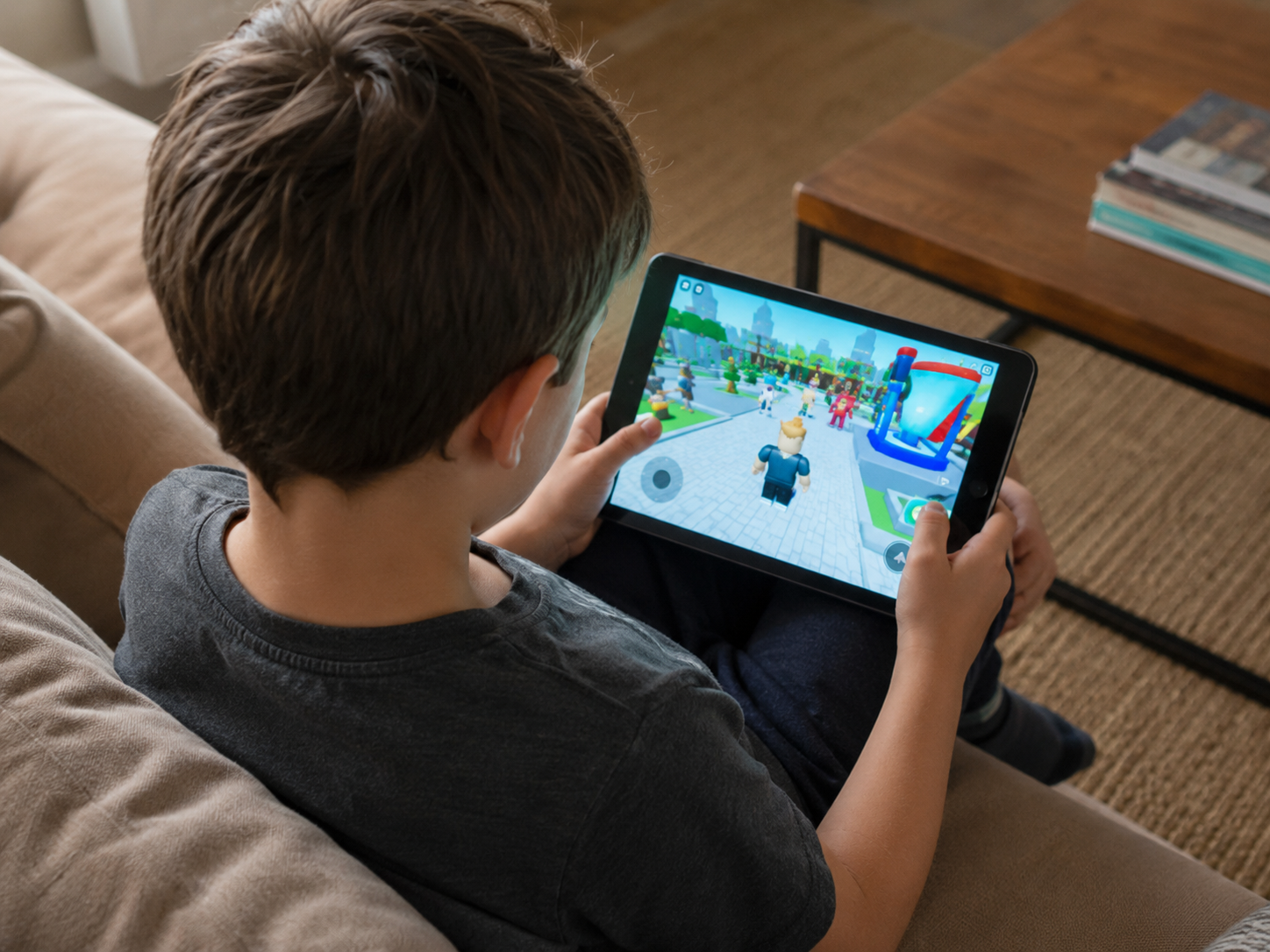
Online games used by children are drawing renewed scrutiny from parents, advocates, and state officials. Editorial illustration by TheDailyGlobe.
Key Facts
- Connecticut launched an investigation into Roblox over child exploitation and user safety concerns.
- Georgia's attorney general launched a Roblox investigation in February 2026.
- Child safety advocacy groups urged the FTC to investigate Roblox over safety and marketing concerns.
- Multiple state-level actions and lawsuits have increased scrutiny of Roblox's child-safety practices.
- The available source material does not show that Roblox has been found liable in the Connecticut or Georgia investigations.
Roblox is back under child-safety scrutiny, and the pressure is landing where online gaming pressure often lands first: on parents.
Connecticut launched an investigation into Roblox over child exploitation and user safety concerns, according to CT Insider. Georgia's attorney general launched a Roblox investigation in February 2026, citing reports of child exploitation. Reuters, through Yahoo Finance, reported that child safety advocacy groups urged the Federal Trade Commission to investigate Roblox over safety and marketing concerns.
For families, the issue is not whether every child who uses Roblox is unsafe. The source material does not support that claim. The practical question is more grounded: how much risk are parents being asked to manage inside a platform where children can play, chat, spend money and interact with people they may not know offline?
Why Parents Are Paying Attention
Roblox is not just another app on a phone for many families. For children, it can be a social space, a creative platform, a gaming destination and a place to spend real money through digital purchases.
That mix is what makes the scrutiny matter. A parent may think of a game as something a child plays for fun after school. But online games can also include chat features, user-generated spaces, friend requests, in-game purchases and systems that require adults to understand settings they may never have used themselves.
That does not make online gaming bad. It does make online gaming different from the older idea of a child playing a game alone in the living room. When the game becomes a networked social environment, supervision becomes harder.
What the Investigations Do and Do Not Prove
The state actions should be described carefully. An investigation is not the same thing as a finding of liability. It means officials are examining concerns and seeking answers.
Connecticut's investigation, Georgia's earlier investigation and calls for FTC scrutiny all point to rising pressure around Roblox's child-safety practices. They do not, by themselves, prove every allegation. They also do not show that every child on the platform faces the same level of risk.
That distinction matters because parent-facing technology coverage can easily become either too soft or too alarmist. The useful middle ground is to say what is confirmed: government officials and advocacy groups are asking harder questions about child safety, marketing and platform accountability.
The Platform-Control Question
One reason these stories keep returning is that parents and platforms do not control the same things.
Parents can talk to children, set rules, review account settings, limit screen time, check spending and pay attention to who a child is interacting with. Platforms control design choices, safety tools, reporting systems, default settings, moderation policies, age-related controls and how easy it is for adults to understand what is happening.
That shared responsibility can become frustrating. Parents may feel they are expected to manage risks inside systems they did not design. Platforms may point to tools and safety policies that require families to find, understand and use them correctly.
The scrutiny around Roblox sits inside that gap. The public question is not only whether parents should pay attention. Of course they should. The harder question is whether the platform's safety systems are clear and strong enough for a service widely used by children.
Spending and Marketing Are Part of the Concern
The Reuters/Yahoo report said child safety advocacy groups urged the FTC to investigate Roblox over safety and marketing concerns. That matters because online games are not only communication spaces. They can also be spending environments.
For parents, spending controls are part of safety. A child may not fully understand digital currency, recurring purchases, pressure from friends or the difference between a game reward and a paid feature. A parent may not realize how quickly small purchases can add up.
The source material does not establish a final regulatory conclusion about Roblox's marketing practices. But it does show that advocates want federal officials to examine whether safety and marketing practices deserve more scrutiny.
What Families Can Watch Without Panicking
This is not a reason to treat every child who plays Roblox as being in danger. It is a reason for parents to understand that online games with social features require active attention.
The practical issues are familiar to many families: who can contact a child, whether chat is open, whether spending is restricted, whether account settings match the child's age, whether a child knows how to report uncomfortable interactions, and whether parents know what the child is actually doing in the game.
Those are not anti-gaming questions. They are ordinary parenting questions in a world where children's play spaces are often built by technology companies.
What Remains Unclear
Several important questions remain unresolved. The available source material does not show the outcome of the Connecticut or Georgia investigations. It does not show whether the FTC will open a formal investigation based on the advocacy request. It also does not show whether state-level scrutiny will lead to new rules, settlements, platform changes or court findings.
It also remains unclear how much any future action would change the day-to-day experience for parents and children using Roblox. A legal investigation can produce headlines long before it produces practical changes inside an app.
That is why families should not wait for a final government finding to understand the issue. The confirmed scrutiny is already enough to show that online gaming safety is not a set-it-and-forget-it problem.
The Bigger Online Gaming Lesson
Roblox is the current focus, but the larger lesson applies across many online platforms used by children.
When a platform combines games, chat, user-created spaces and spending, it becomes more than entertainment. It becomes a digital environment where safety depends on platform design, parental awareness, child behavior and responsive enforcement when something goes wrong.
Parents cannot reasonably be expected to monitor every click. Platforms cannot fairly shift every risk back to families. Public officials and regulators are now asking where that line should be drawn for Roblox.
The careful takeaway is this: Roblox has not been shown by the provided source material to be unsafe for every child or liable for the concerns being investigated. But the state investigations, advocacy pressure and renewed public attention show that parents are being asked to manage real questions about online gaming spaces many children already use.
For families, that means the story is not just about one company. It is about how childhood, play, social contact and digital spending now overlap inside platforms that can feel familiar long before they feel fully understood.
Reporting note: Reporting draws on state attorney general materials, state-level reporting, consumer technology reporting, child-safety advocacy updates, and reviewed background materials. This article was produced with AI-assisted research and reviewed by an editor before publication.