NASA’s New Priority List Shows What Space Missions Still Need
NASA’s 2026 Civil Space Shortfall Ranking points to the less-visible engineering gaps future exploration and science missions still need to solve.
Save Article

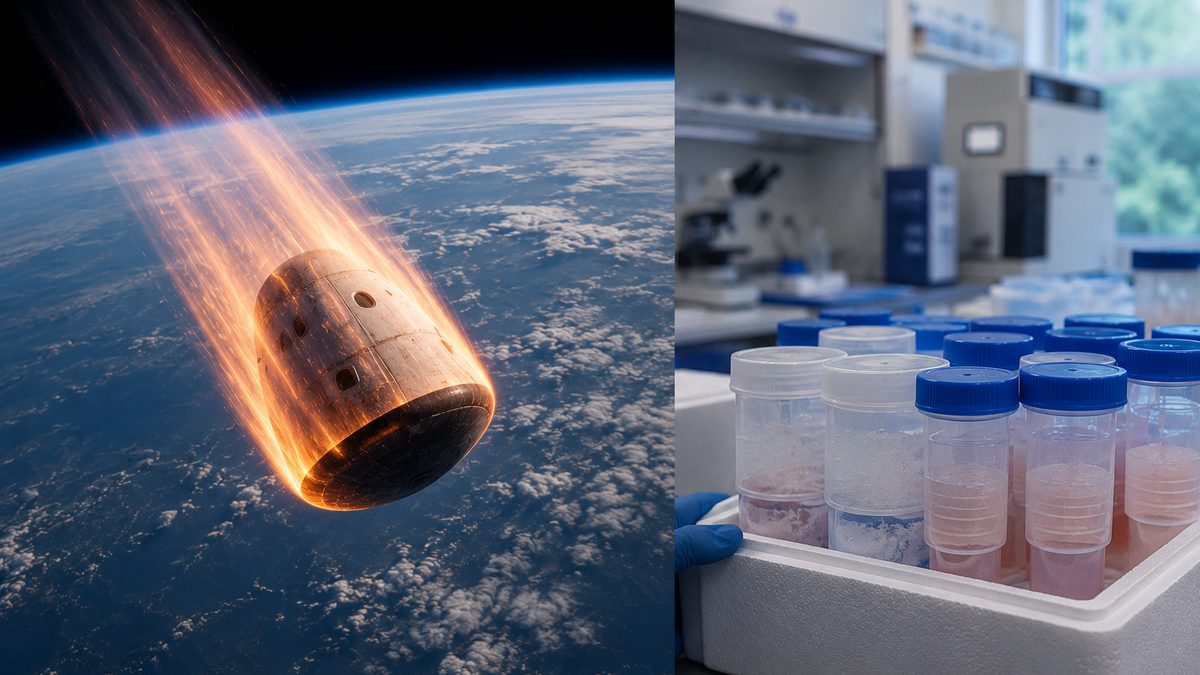
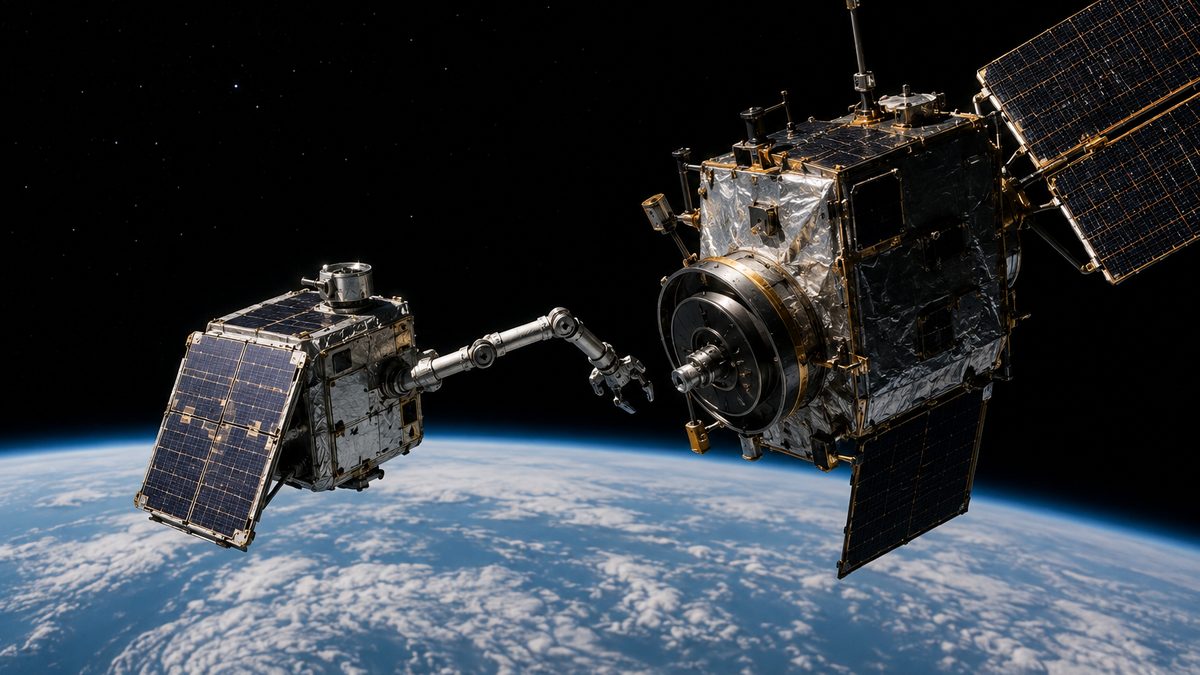
NASA’s 2026 Civil Space Shortfall Ranking points to the less-visible engineering gaps future exploration and science missions still need to solve. Editorial illustration by TheDailyGlobe.
NASA released its 2026 Civil Space Shortfall Ranking on May 20, giving the space industry a clearer look at the technology gaps the agency says still need work before future exploration and science missions can fully depend on them.
In NASA’s language, a “shortfall” is a technology area that needs more development to meet future mission needs. In plainer terms, it is a problem engineers have not fully solved yet, or a capability that is not mature enough for the missions NASA wants to fly.
What NASA Released
The ranking is not a launch announcement, and it does not automatically fund a project by itself. NASA says the shortfall process helps inform future technology investments and roadmaps. That makes it more like a planning signal: here are the problems NASA, industry, universities, and other partners should be paying attention to.
NASA’s technology-news listing said the 2026 ranking integrated more than 400 responses from stakeholders, including industry organizations. The agency’s Civil Space Shortfalls page says the 2026 effort builds on previous ranking work and organizes shortfalls into broader categories meant to make the process more accessible.
Why It Matters Beyond NASA
Space missions often make headlines when a rocket launches, a rover lands, or a telescope sends back new images. But long before those moments, the harder work is usually quieter: better power systems, stronger materials, more capable computers, improved communications, safer mobility, and mission-support tools that can survive far from Earth.
That is why this kind of list matters. It shows where NASA sees practical obstacles between today’s technology and tomorrow’s missions. For space companies and researchers, the ranking can help point attention toward areas where new work may be useful. For regular readers, it is a reminder that space exploration is not only about ambition. It is also about solving a long chain of engineering problems.
What the List Does Not Guarantee
The ranking should not be read as a promise that any specific technology will be funded, built, or used on a fixed timeline. NASA describes the shortfall process as one input into investment decisions and technology roadmaps, not a stand-alone spending program.
Still, the list gives a useful snapshot of where civil space technology stands. Future missions to the Moon, Mars, Earth orbit, and deep space will depend on less-visible systems working reliably. NASA’s shortfall ranking is a public way of saying which gaps still need attention before those missions can move from plan to reality.
Reporting note: Reporting draws on NASA technology-news materials, NASA Civil Space Shortfalls materials, and reviewed background context on civil space technology planning. This article was produced with AI-assisted research and reviewed by an editor before publication.