NASA Rover Contracts Show The Hardware Needed Before Astronauts Work On The Moon
NASA’s latest lunar contracts focus on the practical systems future Moon missions need: rovers, cargo landers and surface hardware that still must prove itself.
Save Article
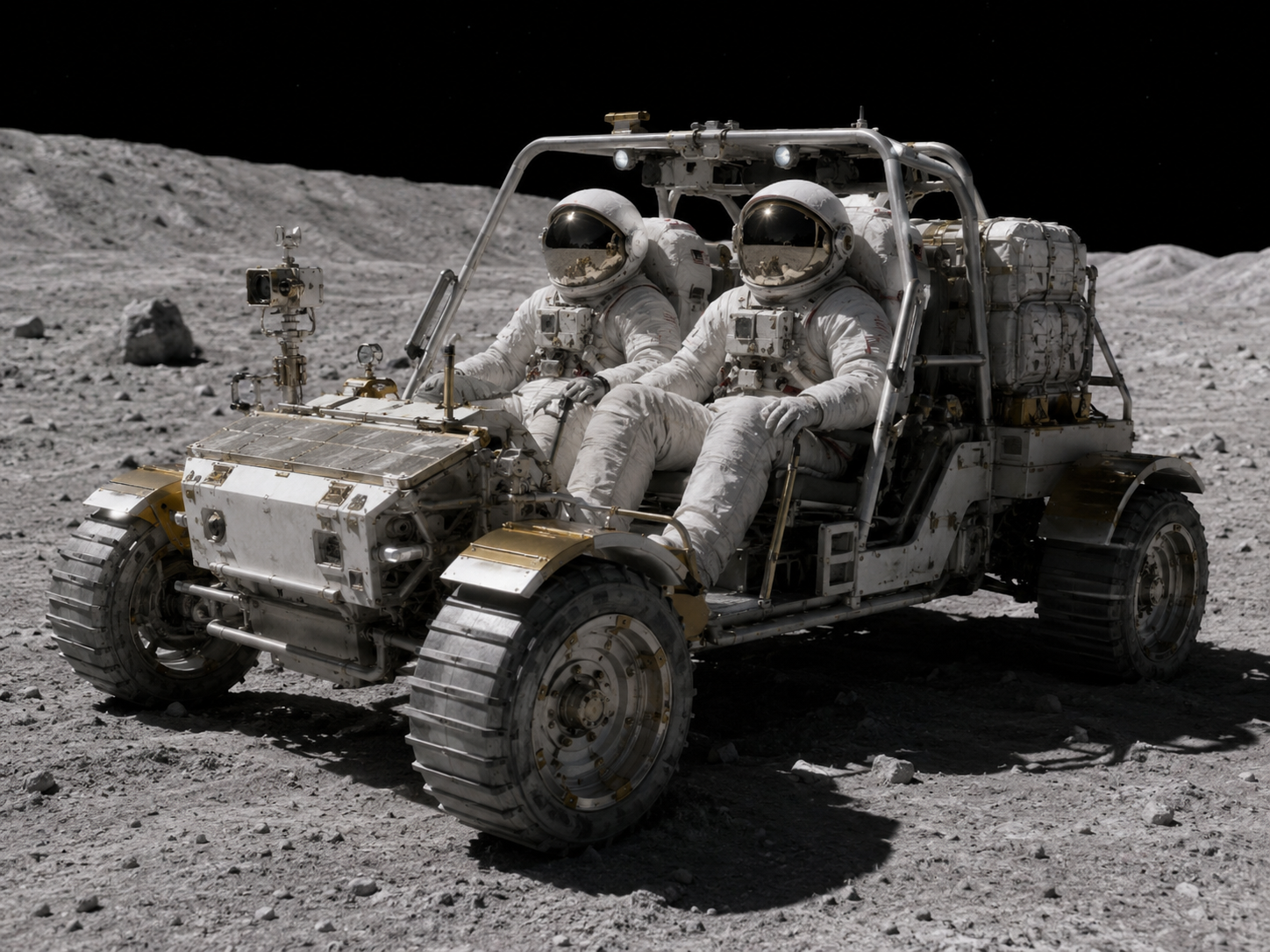
NASA’s lunar plans depend on rovers, landers and cargo systems that still have to prove themselves before astronauts rely on them. Editorial illustration by TheDailyGlobe.
Key Facts
- NASA announced new contracts for lunar rovers and uncrewed cargo landers.
- NASA described Moon Base I, II and III missions targeted for 2026.
- NASA awarded Astrolab $219 million for lunar terrain vehicle work.
- NASA awarded Lunar Outpost $220 million for lunar terrain vehicle work.
- The contracts and mission plans are steps toward future lunar surface operations, not proof that the systems have already been deployed.
Astronauts cannot work safely on the Moon with rockets alone. They need transportation once they arrive, cargo delivered ahead of time, power and communications support, and equipment that can survive dust, temperature swings and distance from Earth.
That is why NASA’s latest lunar update matters. The agency announced new contracts and mission plans tied to lunar rovers, uncrewed cargo landers and Moon Base infrastructure, giving a more concrete look at the machinery that would have to work before astronauts can rely on it.
The announcement does not mean a permanent Moon base has been built. It means NASA is moving parts of its lunar plan from broad ambition toward contracts, hardware development and planned missions that still face technical and schedule risk.
Why Rovers Matter Before Astronauts Arrive
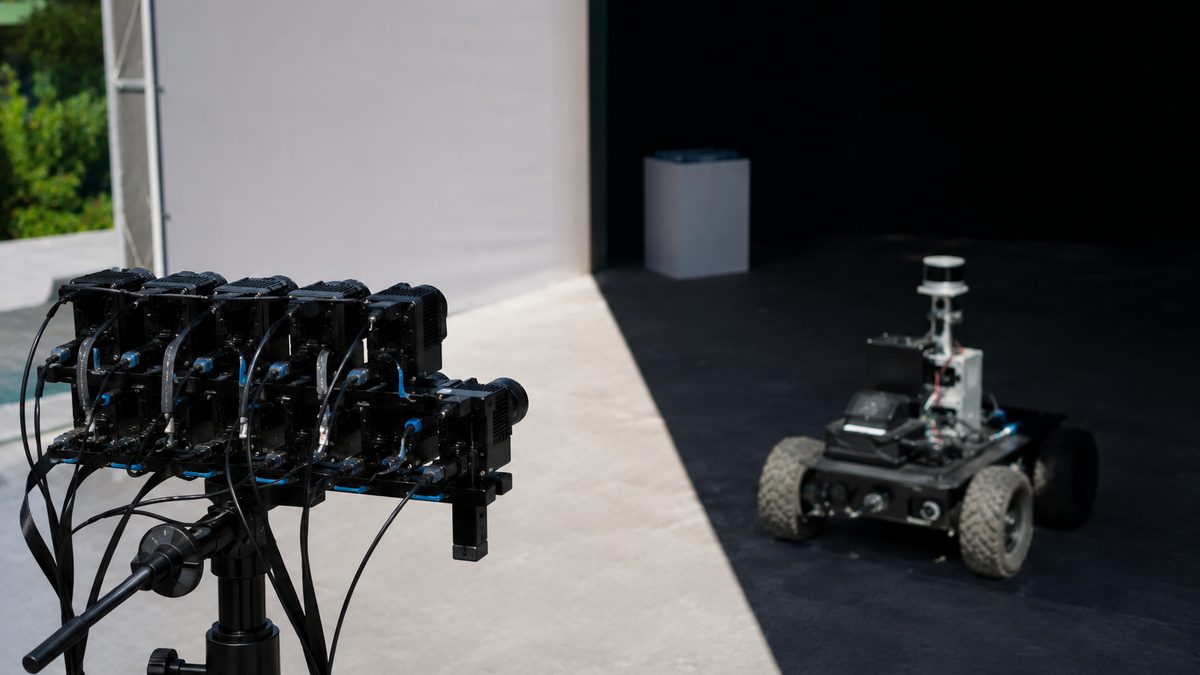
A rover is not just a space vehicle for dramatic photos. On the Moon, transportation shapes what astronauts can actually do. Without reliable surface mobility, crews are limited in how far they can travel, how much equipment they can carry and how much science they can complete during a mission.
NASA’s lunar terrain vehicle work is aimed at giving astronauts a way to move across the surface more effectively. The agency’s awards to Astrolab and Lunar Outpost put real contract dollars behind that need, with each company receiving more than $200 million for rover-related work.
The practical challenge is large. A rover has to work in a place with no roads, no repair shop nearby and no room for casual failure. It has to handle lunar dust, uneven terrain and mission demands while fitting into a larger system of landers, cargo delivery and astronaut operations.
The Landers Are Part Of The Same Story
Rovers are only one piece of the lunar surface puzzle. NASA also discussed uncrewed cargo landers, which are intended to deliver equipment before astronauts depend on it. That kind of delivery matters because sustained lunar work requires more than what a crew can bring with them in one trip.
Cargo systems can help place tools, supplies, experiments and other hardware on the Moon ahead of human missions. If they work as intended, they reduce some of the burden on crewed flights and allow planners to test parts of the surface system before people are asked to use it.
That is the quieter but more important story behind the announcement. Lunar exploration is not only about reaching the Moon. It is about building enough working infrastructure so astronauts can do useful work once they get there.
The Timeline Still Has To Hold
NASA described Moon Base I, II and III missions targeted for 2026. The word targeted matters. Space schedules can change, especially when missions depend on hardware that still has to be built, tested, launched and operated successfully.
Contracts are important because they show who is being asked to build specific systems and how NASA is organizing the work. But a contract is not the same thing as a working rover on the lunar surface. Contractor performance, launch schedules, testing results and mission setbacks can all affect what happens next.
That uncertainty should not erase the progress. It should keep the story grounded. NASA is identifying hardware needs and assigning work, while the hardest test remains whether those systems can perform in the environment they are being built for.
What To Watch In 2026
The next useful signals will be mission windows, rover development milestones and updates from the companies involved. Readers should watch whether NASA’s target dates hold, whether lander plans stay on schedule and whether rover systems move from design and testing toward mission-ready hardware.
The broader point is simple: future lunar exploration will depend on unglamorous systems working well. Rovers, landers and cargo delivery may not carry the same public excitement as a launch, but they are the machinery that could determine whether astronauts can do more than briefly visit the Moon.
NASA’s latest contracts show that lunar planning is becoming more concrete. The promise is a more capable Moon program. The proof will come only when the hardware survives testing, reaches the lunar surface and performs well enough for astronauts to trust it.
Reporting note: Reporting draws on NASA agency materials, science reporting, mission planning documents, contract announcements, and reviewed background materials. This article was produced with AI-assisted research and reviewed by an editor before publication.