NASA’s Moon Base Push Moves From Vision to Equipment and Delivery Plans
NASA’s latest moon-base planning points to the practical hardware behind a sustained lunar presence, from rovers and drones to landers, power systems and private delivery work.
Save Article
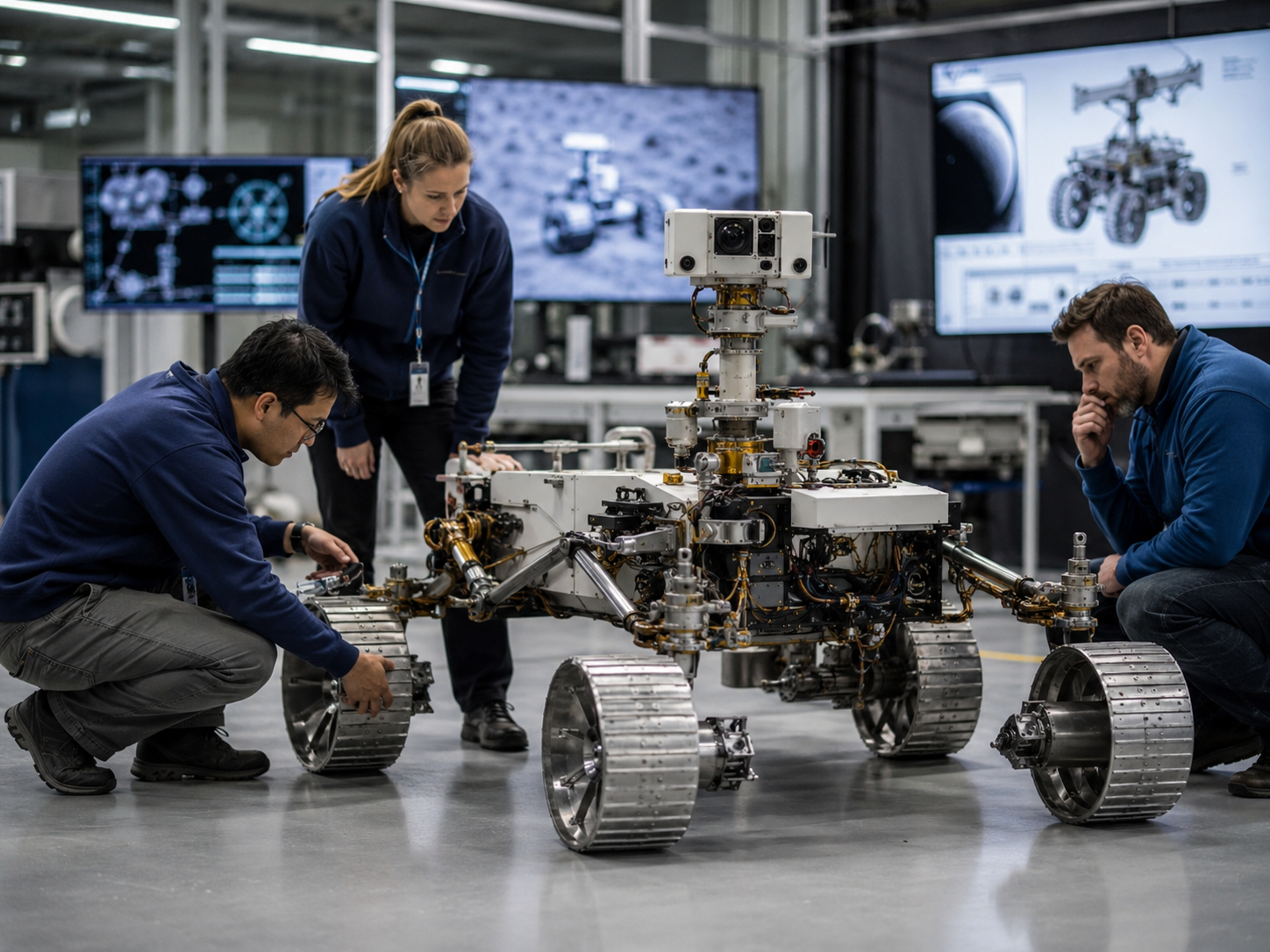
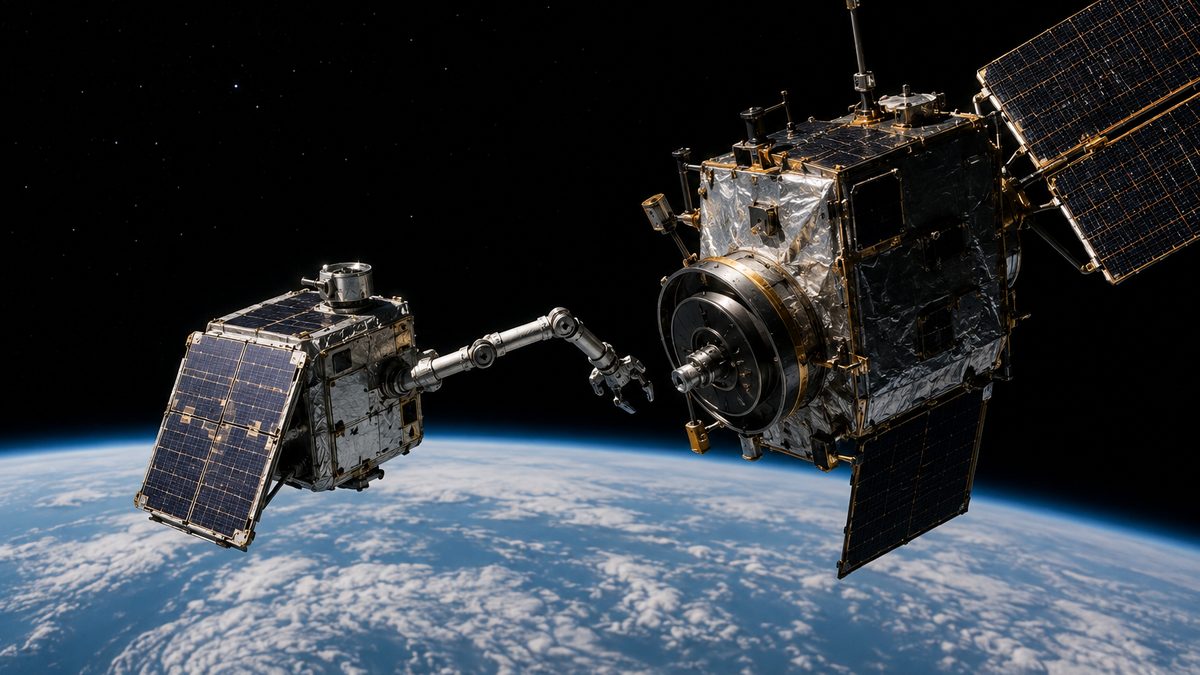
NASA’s moon plans increasingly depend on practical systems such as rovers, landers, drones and power equipment. Editorial illustration by TheDailyGlobe.
Key Facts
- NASA scheduled a May 26 briefing to discuss Moon Base plans and mission progress.
- Associated Press reported NASA awarded contracts tied to early lunar-base equipment, including rovers and drones.
- The effort is connected to Artemis planning and NASA’s longer-term goal of sustained lunar activity.
- A permanent moon base has not been built and future mission success is not guaranteed.
- Timelines, costs, technical risk, contractor performance and mission sequencing remain unresolved.
Living and working on the moon sounds like a science-fiction idea until the practical questions begin.
How do astronauts move around? How does equipment arrive? What provides power? How do crews communicate? What machines can scout, haul, inspect or repair before people even get there?
Those questions are now closer to the center of NASA’s moon planning. NASA scheduled a May 26 briefing to discuss its Moon Base strategy and mission progress, while Associated Press reporting described early equipment and contractor plans tied to rovers, drones, landers and other systems that would support sustained lunar activity.
What NASA Is Moving Toward
NASA’s moon-base planning is shifting the public conversation from broad ambition to practical systems. The idea is not simply to send astronauts back for a symbolic visit. The longer-term goal is to build the equipment, logistics and operational experience needed for people to work on or near the lunar surface for longer stretches.
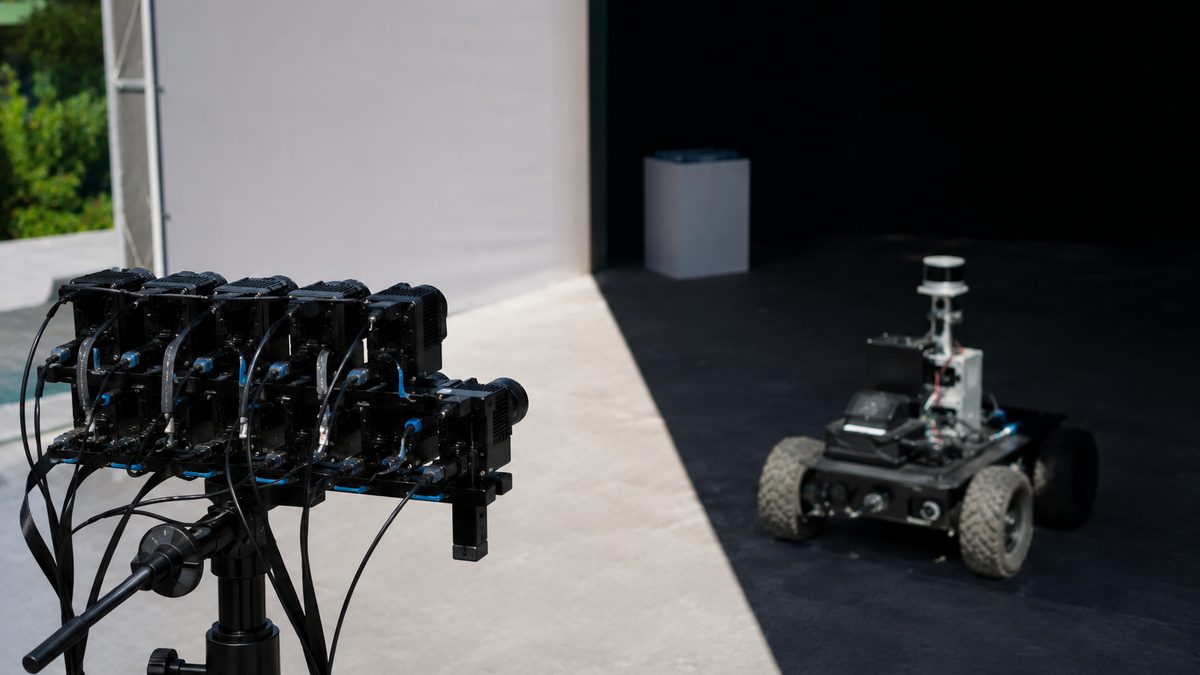
That means the moon effort is becoming a technology and infrastructure story. Landers need to carry cargo safely. Rovers need to move across difficult terrain. Drones or other robotic systems may help inspect areas, scout routes or support operations. Power systems need to keep equipment running in a harsh environment.
Each piece matters because the moon is not forgiving. A broken vehicle, a delayed delivery or a power problem is not a minor inconvenience. It can affect whether a mission can complete its work safely.
Why Private Delivery Matters
The growing role of private companies is one of the clearest changes in modern space exploration. NASA can set goals, fund programs and run missions, but contractors often build the hardware, deliver equipment and test the systems that make those goals possible.
That does not make the moon effort a simple private-sector success story. Contractor performance, technical delays and cost control remain real questions. But it does mean the next phase of lunar exploration depends on a wider network of companies and public agencies working through complex delivery plans.
For readers, the practical point is straightforward: a sustained moon presence is less about one dramatic launch than about repeated deliveries, reliable machines and systems that can survive long enough to be useful.
Why the Technology Matters Beyond the Moon
NASA’s lunar infrastructure work could affect more than one destination. The moon is often treated as a proving ground for technologies that may eventually support deeper space missions, including Mars planning.
Rovers, power systems, communications equipment, autonomous tools and delivery methods all have to be tested somewhere. The lunar surface gives engineers a real environment where dust, temperature swings, distance and limited repair options expose weaknesses that may not appear in a lab.
There is also a public-science angle. Better lunar systems could support research on the moon’s surface, improve understanding of space operations and give students and workers a clearer view of the engineering behind exploration.
What Is Still Uncertain
The careful wording matters here. NASA’s planning does not mean a permanent moon base already exists, or that every piece of the plan will arrive on schedule.
The unresolved questions are practical and important. Costs can change. Technical problems can delay hardware. Contractors may meet or miss milestones. Artemis mission dates and lunar delivery sequences can shift as testing continues.
NASA’s goals are real, and the equipment planning is becoming more specific. But completed outcomes still depend on engineering, funding, launch readiness, contractor performance and mission safety.
What to Watch Next
The next useful signals will come from contract milestones, Artemis mission updates, lander readiness, rover testing, power-system progress and any changes NASA makes to mission sequencing.
Readers should also watch which equipment is scheduled to arrive first. Early cargo choices will say a lot about NASA’s priorities: mobility, power, communications, science, construction support or robotic scouting.
The moon-base story is still a future-facing one. But it is becoming less abstract. The real test now is whether NASA and its partners can turn a vision of lunar living into working hardware, reliable deliveries and systems tough enough for the surface of the moon.
Reporting note: Reporting draws on NASA agency materials, Associated Press reporting, space technology context, and reviewed background materials. This article was produced with AI-assisted research and reviewed by an editor before publication.