NASA Fuel-Transfer Test Could Help Shape Future Moon and Mars Missions
NASA’s planned LOXSAT mission will test how to store and move super-cold fuel in orbit, a quiet engineering step behind future deep-space plans.
Save Article
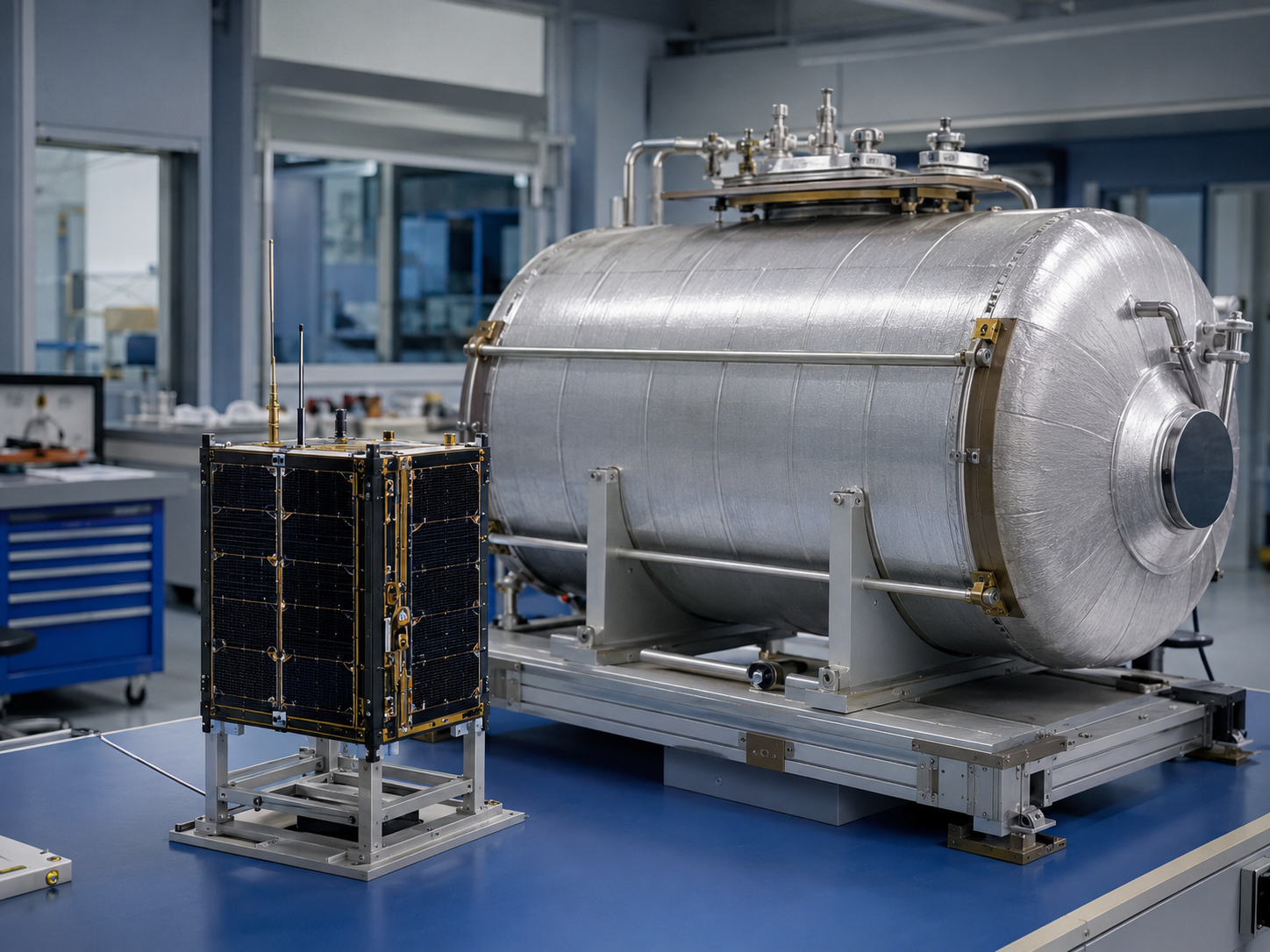
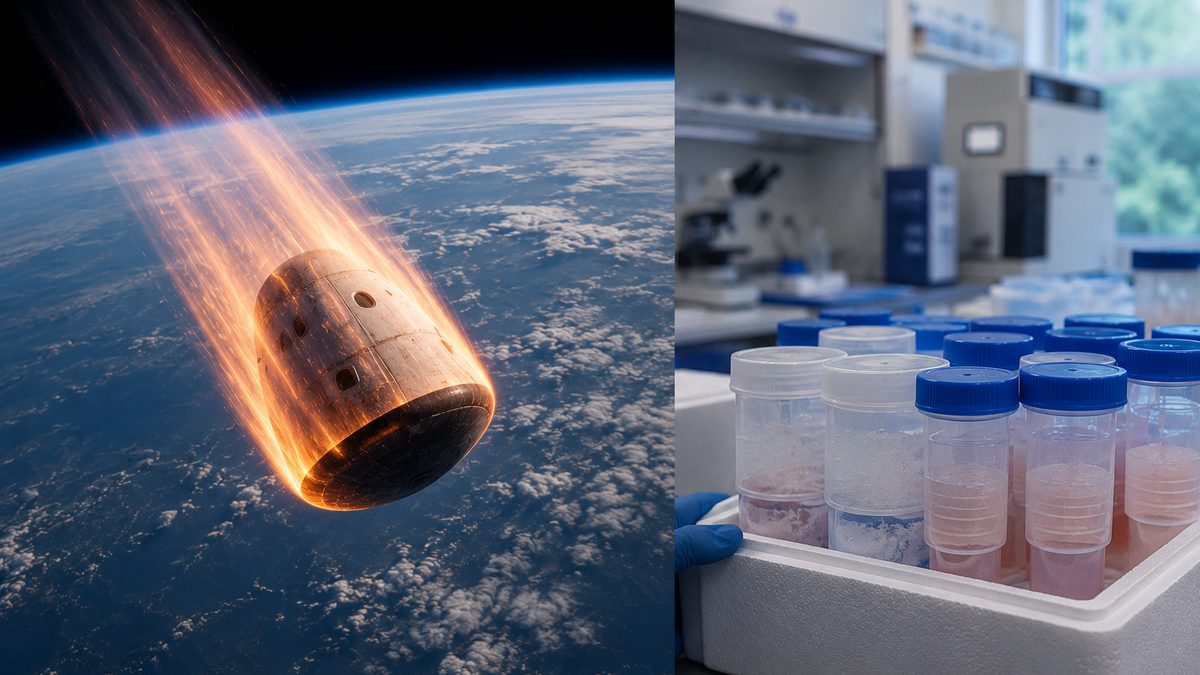
NASA’s planned LOXSAT mission will test how to store and move super-cold fuel in orbit, a quiet engineering step behind future deep-space plans. Editorial illustration by TheDailyGlobe.
NASA is preparing a small mission aimed at a big spaceflight problem: how to store and move super-cold fuel in orbit.
The mission, called the Liquid Oxygen Flight Demonstration, or LOXSAT, is designed to test cryogenic fluid management technology in space. Cryogenic fuel is kept at extremely low temperatures, and managing it in microgravity is much harder than handling fuel on Earth.
What LOXSAT Will Test
NASA says LOXSAT will test technologies needed to store, control, pressurize and transfer liquid oxygen in low Earth orbit. The mission is being developed with Eta Space and is connected to NASA’s broader work on cryogenic fluid management for future exploration.
Space.com reported that the mission is expected to launch in 2026. NASA materials describe LOXSAT as a technology demonstration, not an operational fuel depot. That distinction matters. The goal is to learn whether key systems work in orbit before anything like a large-scale refueling network could be treated as dependable mission infrastructure.
Why Fuel Transfer Matters
Deep-space missions are limited by fuel. The farther a spacecraft needs to go, the more propellant it may need. Carrying all of that fuel from Earth can make missions heavier, more expensive and more complicated.
That is why engineers are interested in fuel storage and transfer in space. If spacecraft could one day refuel in orbit, or use propellant depots as part of mission planning, future trips to the Moon, Mars or other destinations could be designed differently. NASA has described cryogenic fluid management as important for human missions to the Moon and Mars, planetary exploration and other long-duration needs.
What Is Still Unproven
LOXSAT does not mean orbital refueling is ready for routine use. It is a test mission meant to reduce technical risk. The hard questions include how to keep ultra-cold fluids stable, limit loss from boiloff, measure fuel accurately and transfer it safely in a low-gravity environment.
The useful way to read the mission is as unglamorous but important engineering work. Rockets and astronaut missions draw the attention, but future exploration may depend just as much on whether fuel can be stored, managed and moved reliably after leaving Earth.
Reporting note: Reporting draws on NASA mission materials, NASA Space Technology Mission Directorate materials, Space.com reporting, and reviewed background context on cryogenic fluid management. This article was produced with AI-assisted research and reviewed by an editor before publication.