NASA Cargo Mission Shows Why Space Station Research Still Matters
NASA said SpaceX’s 34th resupply mission carried nearly 6,500 pounds of cargo, including experiments tied to health, satellites and basic science.
Save Article
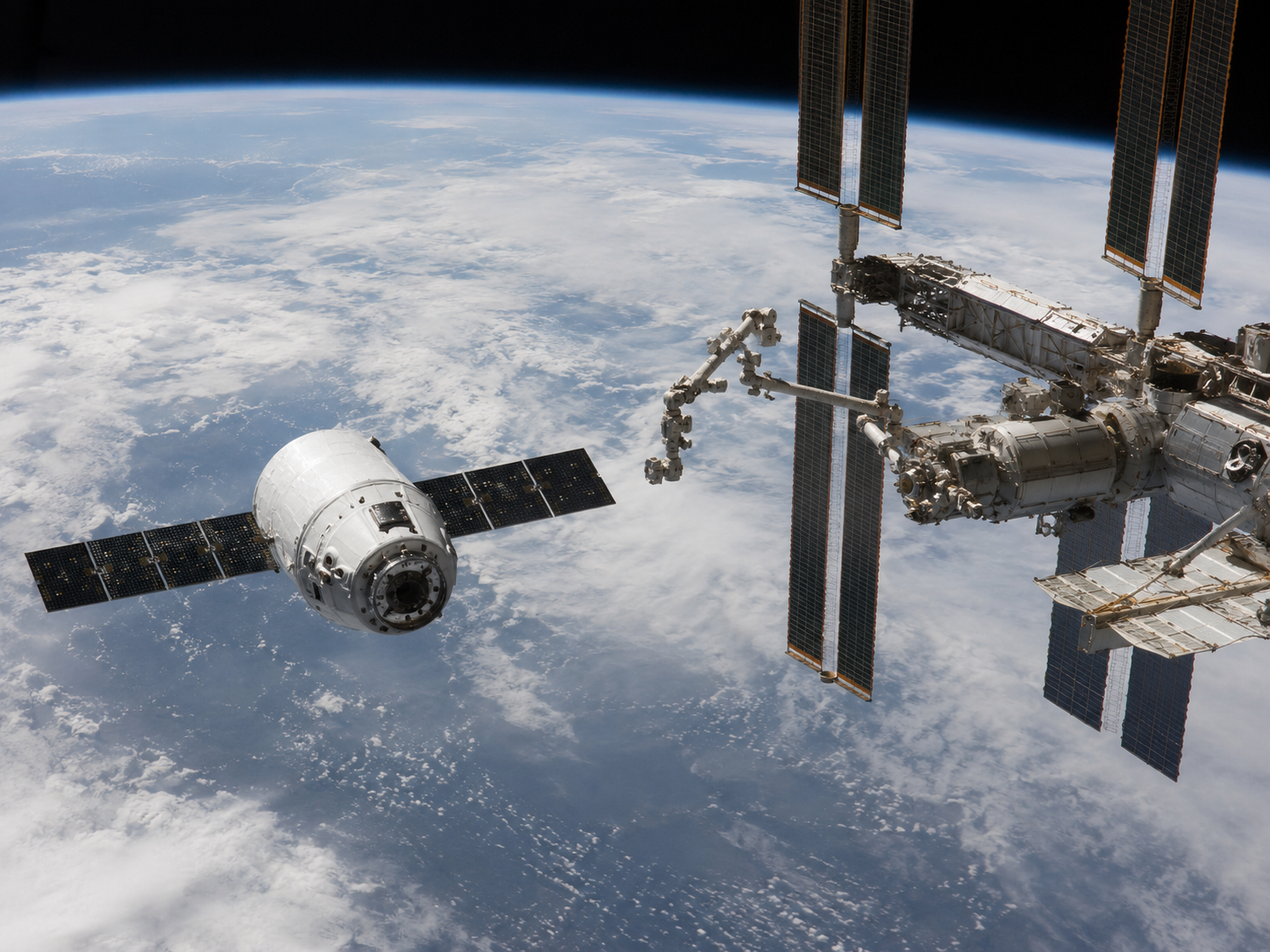
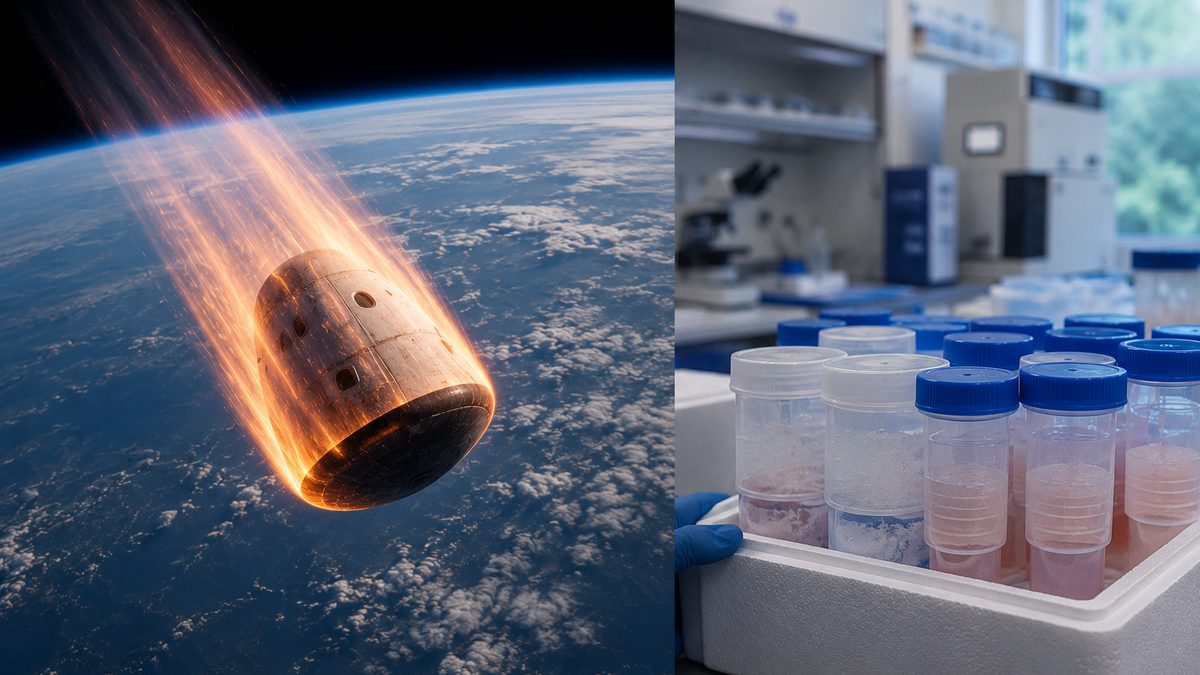
Space-station cargo missions carry research that can connect orbital science to questions on Earth. Editorial illustration by TheDailyGlobe.
A cargo flight to the International Space Station is not only a delivery run. Along with supplies, these missions carry experiments that let researchers test questions in a place where gravity, radiation and orbit create conditions that cannot be easily copied on Earth.
NASA said SpaceX’s 34th commercial resupply mission launched May 15, carrying nearly 6,500 pounds of cargo to the station. The Dragon spacecraft included science investigations involving bone scaffolds, red blood cells and charged particles.
What The Mission Carried
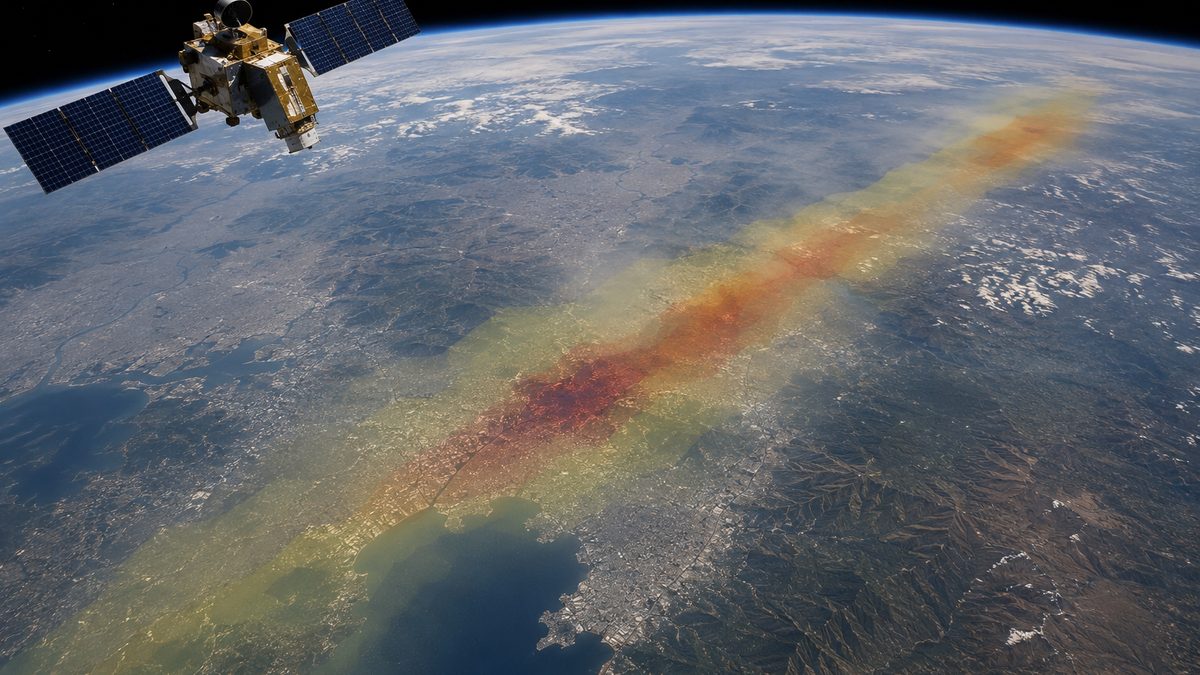
The experiments NASA listed point to the range of work done aboard the space station. Bone scaffold research can help scientists study how materials may support bone-related work. Red blood cell studies can add information about how the human body behaves in space. Charged-particle research can inform questions tied to satellites, space weather and systems that operate beyond Earth’s surface.
That does not mean the mission will produce quick medical breakthroughs or immediate technology changes. Space research often moves slowly, and individual experiments may answer narrow questions rather than solve a problem by themselves.
Why It Matters On Earth
The value of station research is that it gives scientists another way to test ideas. Some work may eventually inform health research. Other studies can help improve understanding of satellites, communications systems or the environment around Earth.
For readers, the practical point is simple: routine cargo missions are part of the research pipeline. The launch may be the most visible moment, but the real test comes later, when experiments are run, data is reviewed and results are returned or published.
What To Watch Next
The next useful updates will come from experiment results and return cargo. Until then, NASA’s latest resupply mission is a reminder that space-station science is not just about orbit. It is also about using orbit to study questions that may eventually matter back on Earth.
Reporting note: Reporting draws on NASA mission materials, International Space Station research resources, official agency updates, and reviewed background materials. This article was produced with AI-assisted research and reviewed by an editor before publication.