FTC Location-Data Settlement Shows Why Phone Privacy Still Matters
A proposed FTC settlement with Kochava puts new attention on how sensitive phone location data can be sold, shared and used to trace people’s movements.
Save Article
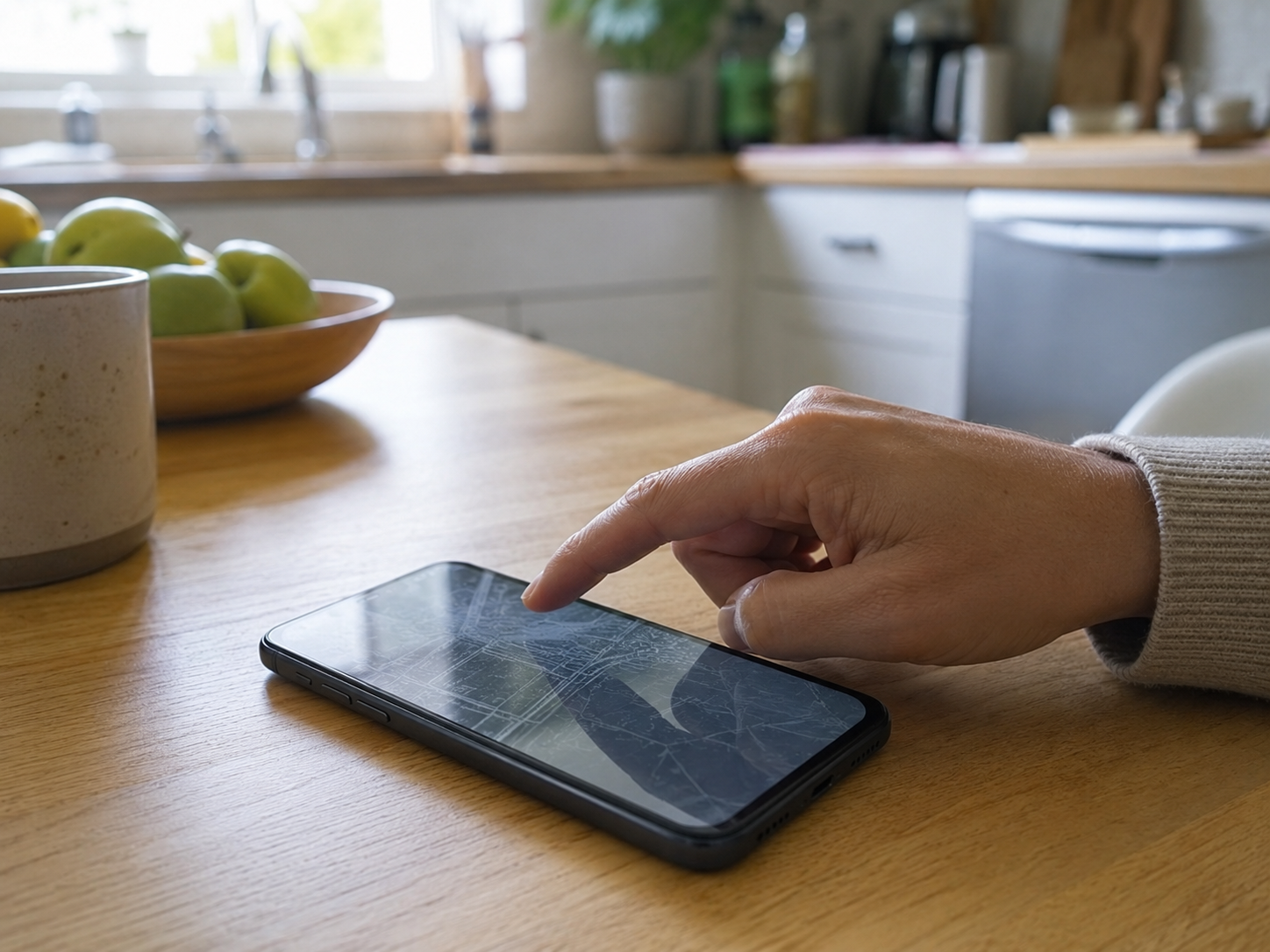
A proposed FTC settlement with Kochava puts new attention on how sensitive phone location data can be sold, shared and used to trace people’s movements. Editorial illustration by TheDailyGlobe.
A proposed Federal Trade Commission settlement with data broker Kochava is a reminder that phone location data can reveal more about people than many users realize.
The FTC announced May 4 that it would prohibit Kochava and its subsidiary from selling, sharing or disclosing sensitive location data without consumers’ affirmative express consent. The settlement was meant to resolve FTC allegations that the companies sold location data from hundreds of millions of mobile devices that could be used to trace people’s movements.
What the FTC Alleged
The FTC said the data could be used to follow people to sensitive locations. That is the heart of the privacy concern. A phone’s location trail can show more than where someone shops or commutes. Depending on the data, it may point to medical visits, places of worship, shelters, treatment centers or other locations that reveal deeply personal information.
The proposed order does not mean all location-data broker practices are over. It applies to the companies in this case and must be approved and signed by a judge to become a final order with force of law. But it shows how regulators are continuing to treat sensitive location data as a serious consumer privacy issue.
What the Order Would Require
Under the proposed settlement, Kochava and its subsidiary would be barred from selling or sharing sensitive location data without affirmative express consent. The order also requires programs related to sensitive location data, assessment of suppliers, consumer withdrawal of consent and data retention.
In plain English, the FTC is not only focused on whether a company sells the data. It is also looking at where the data came from, whether consumers can take consent back, how long data is kept and whether sensitive information is handled with clearer limits.
Why Ordinary Phone Users Should Care
Most people think about location privacy when an app asks for permission to use their location. The harder part is what can happen after that data enters advertising, analytics or data-broker systems. A user may understand that a weather app, map app or retail app wants location access. They may not understand how location signals can later move through a wider data market.
The practical takeaway is not panic. It is caution. Phone users should pay attention to which apps have location access, whether access is set to always-on or only while using the app, and whether an app really needs precise location to work. The FTC’s Kochava case shows why those small settings can matter: location data is not just technical information. It can become a record of where a person goes and, in some cases, what private parts of life those movements may reveal.
Reporting note: Reporting draws on Federal Trade Commission materials, legal privacy analysis, and reviewed background context on mobile location data and consumer privacy. This article was produced with AI-assisted research and reviewed by an editor before publication.